
Where to Buy Medical Face Masks Bulk: Your Ultimate Guide
where to buy medical face masks bulk

Where to Buy Medical Face Masks Bulk: Your Ultimate Guide

Secure high-quality medical face masks in bulk for your needs with this comprehensive US-focused guide.

Find Your Supplier Now

Key Takeaways

  • ✓ Medical face masks are classified into surgical masks (ASTM Level 1, 2, 3) and respirators (N95, KN95, FFP).
  • ✓ Bulk purchasing typically offers significant cost savings per unit compared to retail.
  • ✓ Verifying supplier certifications (FDA, NIOSH) is crucial for ensuring product quality and safety.
  • ✓ Demand and supply chain stability can impact pricing and availability of bulk medical masks.

How It Works

1
Assess Your Needs

Determine the type of mask (surgical, N95), quantity, and specific certifications required for your application. Consider your usage rate and storage capacity.

2
Identify Potential Suppliers

Research reputable distributors, manufacturers, and online platforms specializing in bulk medical supplies. Prioritize those with clear transparency regarding product origins and certifications.

3
Verify Quality & Authenticity

Request samples, check FDA/NIOSH registrations, review testing reports, and scrutinize customer testimonials. Avoid 'too good to be true' deals which often indicate counterfeit products.

4
Finalize Purchase & Logistics

Negotiate pricing, confirm payment terms, and arrange for shipping and delivery. Ensure a clear return policy and understand lead times, especially for large orders.

Understanding Medical Face Mask Types for Bulk Purchase

Flat lay of face masks and assorted pills on a vibrant blue surface symbolizing health and protection. Photo: Tamanna Rumee / Pexels
When you're looking to buy medical face masks in bulk, the first and most critical step is to understand the different types available and their specific applications. Not all masks are created equal, and choosing the wrong type can compromise safety and effectiveness. Broadly, medical face masks fall into two primary categories: surgical masks and respirators. Each category has distinct standards, filtration efficiencies, and intended uses. Surgical masks, often referred to as procedural masks, are loose-fitting, disposable devices that create a physical barrier between the wearer's mouth and nose and potential contaminants in the immediate environment. They are designed to prevent large droplets, splashes, sprays, or splatter that may contain germs from reaching the wearer's mouth and nose. They also help reduce the spread of respiratory droplets from the wearer to others. In the US, surgical masks are regulated by the FDA and are classified by ASTM International (formerly the American Society for Testing and Materials) based on their fluid resistance, filtration efficiency (bacterial filtration efficiency, BFE, and particulate filtration efficiency, PFE), and breathability. The ASTM standards are crucial for bulk buyers: ASTM Level 1 (low barrier protection), Level 2 (moderate barrier protection), and Level 3 (maximum barrier protection). For most general medical and dental procedures, Level 2 or 3 are preferred. When sourcing bulk surgical masks, always look for clear ASTM ratings to ensure you're getting the appropriate level of protection. Understanding these ratings is paramount for compliance and safety. Respirators, such as N95 masks, offer a higher level of protection than surgical masks. They are designed to achieve a very close facial fit and very efficient filtration of airborne particles. The 'N95' designation means it filters at least 95% of airborne particles, including large and small particles. Unlike surgical masks, N95 respirators are regulated by the National Institute for Occupational Safety and Health (NIOSH) and are intended to reduce the wearer’s exposure to airborne biological aerosols (e.g., viruses, bacteria). They require a fit test to ensure a proper seal, which is critical for their effectiveness. Other international equivalents include KN95 (China) and FFP2 (Europe), which offer similar filtration efficiencies but may have slightly different testing standards. For bulk purchases intended for healthcare professionals or individuals requiring protection against airborne pathogens, NIOSH-approved N95 respirators are the gold standard. It's vital to differentiate genuine N95s from counterfeit versions, which flooded the market during peak demand. Always check for the NIOSH approval number, manufacturer's name, and model number printed directly on the respirator. Understanding these distinctions is the foundation for making informed bulk purchasing decisions, ensuring that the masks you acquire meet the specific safety and regulatory requirements of your intended use.

Identifying Reputable Suppliers and Platforms for Bulk Orders

Close-up of various pills and a digital thermometer against a dark background. Photo: Karolina Grabowska www.kaboompics.com / Pexels
Once you understand the specific type of medical face mask you need, the next challenge is finding reliable suppliers for bulk orders. The market for medical supplies, especially during periods of high demand, can be fraught with unscrupulous vendors and counterfeit products. Therefore, due diligence in supplier selection is non-negotiable. For businesses, healthcare facilities, and large organizations in the US seeking to buy medical face masks bulk, several avenues offer legitimate options, each with its own advantages and considerations. Traditional medical supply distributors are often the safest bet. Companies like McKesson, Cardinal Health, and Henry Schein are well-established, hold extensive inventories, and have robust supply chains. They typically serve hospitals, clinics, and large healthcare networks, offering verified products with proper certifications (FDA, NIOSH). While their pricing might be slightly higher than direct-from-manufacturer options, their reliability, product authenticity guarantees, and logistical support are invaluable for large-scale operations. Establishing an account with these distributors usually involves a vetting process, but it grants access to a consistent and trustworthy supply. Direct manufacturers, both domestic and international, represent another significant source. Purchasing directly from the manufacturer can often yield the best per-unit pricing, especially for very large quantities. For US-made masks, look for manufacturers that clearly state their production capabilities and regulatory compliance. Websites like ThomasNet can help identify US-based manufacturers. When dealing with international manufacturers, particularly from Asia, it’s crucial to perform even more rigorous checks. Engage with companies that have a long-standing reputation, clear quality control processes, and are willing to provide factory audits or third-party inspection reports. Be wary of new, unverified companies offering unusually low prices. Always request samples before committing to a large order. Online B2B marketplaces and wholesale platforms are also popular for bulk purchases. Platforms like Alibaba, Amazon Business, and specialized medical wholesale websites can connect buyers with numerous suppliers. While these platforms offer convenience and a wide selection, they also require careful navigation. On platforms like Alibaba, prioritize suppliers with 'Trade Assurance' and 'Verified Supplier' badges, as these offer some level of buyer protection and supplier vetting. Always check supplier ratings, read customer reviews, and communicate directly with suppliers to clarify product specifications, certifications, and shipping terms. Avoid making large payments upfront to unverified sellers. For smaller bulk orders, Amazon Business can be a good option, offering competitive pricing and reliable delivery for many certified medical products. Regardless of the platform, always cross-reference supplier claims with official regulatory databases (e.g., FDA's medical device listings, NIOSH-approved respirator list) to confirm product authenticity. This multi-pronged approach to supplier identification, coupled with stringent verification, is key to securing high-quality medical face masks in bulk.

Ensuring Quality, Authenticity, and Compliance in Bulk Orders
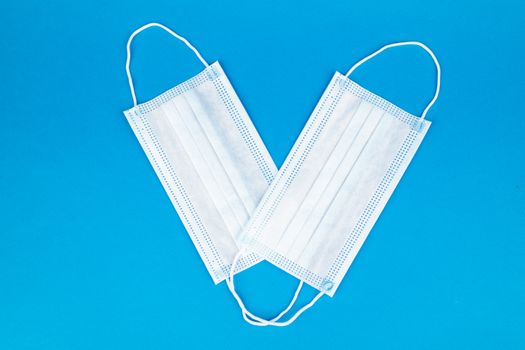
Two protective face masks on a blue background, emphasizing health and safety. Photo: Maksim Goncharenok / Pexels
The integrity of medical face masks directly impacts the safety of wearers and those around them. Therefore, when making bulk purchases, ensuring the quality, authenticity, and regulatory compliance of the masks is paramount. This goes beyond simply finding a supplier; it involves a meticulous verification process to safeguard against counterfeit products and substandard performance. The consequences of acquiring non-compliant masks can range from ineffective protection to severe legal and reputational damage, especially for healthcare institutions or businesses providing masks to their employees or customers. Prioritizing compliance should always be at the forefront of your purchasing strategy. For surgical masks, the primary regulatory body in the US is the Food and Drug Administration (FDA). All surgical masks marketed in the US must be FDA-cleared as medical devices. When evaluating a supplier, ask for their FDA 510(k) clearance documentation or check the FDA's Medical Device Databases directly using the manufacturer's name or device listing number. Look for the ASTM performance level (Level 1, 2, or 3) clearly stated on the product packaging and in the product specifications provided by the supplier. Requesting independent lab test reports that confirm these ASTM levels is an excellent practice. These reports should detail bacterial filtration efficiency (BFE), particulate filtration efficiency (PFE), fluid resistance, and breathability. For respirators like N95s, the National Institute for Occupational Safety and Health (NIOSH) is the governing body. A genuine N95 respirator will have a NIOSH approval number (e.g., TC-84A-XXXX) printed on the mask itself, along with the manufacturer's name and model number. You can verify this approval number on the NIOSH Certified Equipment List (CEL) online database. Do not rely solely on packaging that claims 'N95 equivalent' or similar phrasing without the explicit NIOSH approval. Many counterfeit N95s surfaced during the pandemic, lacking proper filtration and fit. Always inspect the masks for inconsistencies in material, straps, and printing. A reputable supplier will be transparent about their NIOSH certification and provide all necessary documentation without hesitation. Beyond regulatory compliance, consider the manufacturer's quality control processes. Ask about their Good Manufacturing Practices (GMP) and ISO certifications (e.g., ISO 13485 for medical devices). Requesting samples before placing a large bulk order is crucial. This allows you to physically inspect the product for material quality, comfort, fit, and packaging integrity. Test a few masks if possible, especially for breathability and strap durability. Pay attention to the packaging; genuine medical masks typically come in sterile, sealed packaging with clear labeling, batch numbers, and expiration dates. A supplier's willingness to provide these details and proof of certification is a strong indicator of their legitimacy and commitment to quality. Never compromise on these verification steps when making bulk medical mask purchases.

Cost-Effective Strategies and Common Pitfalls in Bulk Purchasing
Vibrant array of assorted packaged snacks and candies displayed indoors, perfect for a snack shop or market. Photo: angie duong / Pexels
Purchasing medical face masks in bulk often comes with the expectation of significant cost savings per unit. However, achieving true cost-effectiveness requires more than just finding the lowest price. It involves strategic planning, understanding market dynamics, and avoiding common pitfalls that can negate potential savings or, worse, lead to acquiring unusable or unsafe products. For any entity looking to buy medical face masks bulk, a balanced approach combining price awareness with robust quality control is essential. One of the most effective strategies for cost savings is to purchase directly from manufacturers, especially for very large volumes. This cuts out intermediary costs associated with distributors. However, this approach demands thorough vetting of the manufacturer, as discussed previously. Another strategy is to leverage long-term contracts or standing orders with established distributors. This can lock in favorable pricing and ensure a consistent supply, reducing the impact of market fluctuations and surge pricing during periods of high demand. Consolidating your orders for various medical supplies with a single distributor can also lead to better pricing tiers and reduced shipping costs. Consider the timing of your purchase. While it's impossible to perfectly predict market shifts, buying during periods of lower demand can often yield better prices. Conversely, attempting to purchase during a pandemic or major health crisis will almost certainly result in inflated prices and limited availability. Building a strategic inventory buffer, if feasible and within budget, can help mitigate future price volatility. However, be mindful of expiration dates for sterile products and proper storage conditions to prevent degradation. Common pitfalls to avoid include falling for 'too good to be true' deals. Exceptionally low prices, especially from unknown suppliers, are often a red flag for counterfeit or substandard products. The cost of compromised safety or non-compliance far outweighs any initial savings. Another mistake is neglecting to verify certifications. Simply taking a supplier's word for FDA or NIOSH approval is risky; always cross-reference their claims with official databases. Inadequate communication with suppliers regarding specifications, lead times, and shipping terms can also lead to costly delays or incorrect orders. Always get all agreements in writing. Finally, be aware of minimum order quantities (MOQs). While bulk buying typically implies large quantities, some suppliers might have MOQs that exceed your actual needs, leading to unnecessary inventory costs. Balance the per-unit savings with your actual consumption rate and storage capacity. By combining these cost-effective strategies with a vigilant approach to quality and supplier vetting, you can successfully navigate the bulk medical mask market and secure reliable, high-quality protection at a favorable price.

Comparison

FeatureLarge Distributors (e.g., McKesson)Direct Manufacturers (US-based)Online B2B Marketplaces (e.g., Alibaba)
Product AuthenticityHigh (vetted)High (direct oversight)Varies (requires vetting)
Pricing (per unit)Moderate to HighLow to Moderate (large orders)Low (potential for very low)
Minimum Order QuantityFlexible (can be lower)High (often pallet/container)Varies widely
Supply ReliabilityHigh (established chains)High (if stable)Varies (supplier dependent)
Customer SupportExcellentGood (direct contact)Varies (platform/seller dependent)
Certification Verification✗ (buyer responsibility)
Lead TimeShort to ModerateModerate to LongVaries widely

What Readers Say

"We needed N95 masks for our dental practice and found a great supplier through McKesson. Their process for where to buy medical face masks bulk was straightforward, and the masks arrived with all proper NIOSH certifications. Quality is excellent, and pricing was competitive for the volume."

Sarah J. · Miami, FL

"For our small business, securing bulk surgical masks was a priority. We used Amazon Business after verifying seller credentials. The masks were ASTM Level 3 as advertised, and the delivery was prompt, allowing us to maintain a safe environment for our staff and customers."

David K. · Chicago, IL

"Our community center needed a large quantity of masks for distribution. By researching options for where to buy medical face masks bulk, we partnered directly with a US manufacturer. This resulted in significant cost savings and allowed us to distribute over 10,000 high-quality masks to local families."

Maria P. · Houston, TX

"Finding a reliable source for medical face masks in bulk required some effort. We initially faced issues with an unverified online vendor, but after switching to a known medical distributor, our subsequent orders have been consistently high quality. It pays to do your homework."

Robert L. · Los Angeles, CA

"As a procurement manager for a chain of clinics, knowing where to buy medical face masks bulk efficiently is crucial. We've established standing orders with Cardinal Health, ensuring a steady supply of certified ASTM Level 3 surgical masks, which simplifies our inventory management immensely."

Emily H. · New York, NY

Frequently Asked Questions

What is the primary difference between a surgical mask and an N95 respirator?

Surgical masks are loose-fitting, primarily designed to protect against splashes and droplets, and prevent the wearer from spreading respiratory droplets. N95 respirators are tight-fitting, designed to filter out at least 95% of airborne particles (including very small ones), and protect the wearer from inhaling hazardous airborne substances. N95s are regulated by NIOSH, while surgical masks are regulated by the FDA and rated by ASTM levels.

How can I verify if a medical mask supplier is legitimate in the US?

To verify legitimacy, check for FDA 510(k) clearance for surgical masks or NIOSH approval for N95 respirators via their respective online databases. Reputable suppliers should readily provide these certifications. Additionally, look for established business histories, positive reviews, and transparent communication regarding product specifications and origins. Avoid suppliers with overly aggressive pricing or vague product descriptions.

What are the typical minimum order quantities (MOQs) when buying medical face masks in bulk?

MOQs vary significantly by supplier and mask type. For large distributors, MOQs might be as low as a few cases (e.g., 500-1000 masks). Direct manufacturers, especially for N95s, often require much larger MOQs, potentially in the tens of thousands or even hundreds of thousands of units, sometimes requiring pallet or container-sized orders. Online B2B platforms offer a wider range, from smaller bulk packs to very large industrial quantities.

Is it always cheaper to buy medical face masks in bulk?

Generally, yes, buying in bulk significantly reduces the per-unit cost compared to retail purchases. However, the overall cost-effectiveness depends on factors like shipping fees, potential tariffs (for international orders), storage costs, and the risk of purchasing expired or substandard products. Always calculate the total landed cost and ensure the quality meets your standards to realize true savings.

What certifications should I look for when purchasing bulk medical masks?

For surgical masks, look for FDA 510(k) clearance and ASTM Level 1, 2, or 3 ratings. For respirators like N95s, verify NIOSH approval (TC-84A-XXXX number). Other relevant certifications can include ISO 13485 (Quality Management System for Medical Devices) and CE marking for products from Europe, though NIOSH and FDA are primary for the US market.

Who typically needs to buy medical face masks in bulk?

Healthcare facilities (hospitals, clinics, dental offices), businesses requiring employee protection (manufacturing, retail, service industries), educational institutions, government agencies, and large organizations stocking emergency preparedness supplies are common bulk purchasers. Individuals or small groups may also buy bulk for extended personal use or community distribution.

Are there risks associated with buying medical face masks in bulk internationally?

Yes, international bulk purchases carry risks such as customs delays, higher shipping costs, potential for counterfeit products, difficulty in verifying supplier legitimacy, and challenges with returns or quality disputes. It's crucial to work with established international suppliers, utilize secure payment methods, and ensure all regulatory import requirements for the US are met.

What are the future trends in the bulk medical mask market?

Future trends include a continued focus on sustainable and eco-friendly mask materials, advancements in filtration technology, increased automation in manufacturing, and potentially more diversified supply chains to reduce reliance on single regions. There may also be a greater emphasis on domestic production capabilities and stricter enforcement against counterfeit products, alongside evolving standards for mask performance.

Navigating where to buy medical face masks bulk requires careful consideration of mask types, supplier vetting, and quality assurance. By following this comprehensive guide, you can confidently secure high-quality, compliant medical face masks to meet your specific needs in the US. Take the proactive steps today to ensure safety and reliability for your organization or personal use.

Topics: where to buy medical face masks bulkbulk medical masks USwholesale medical face masksN95 bulk purchasesurgical mask suppliers
Leo List
Brampton weed
Adultwork