✓ Most sprained ankles involve injury to the ligaments on the outside of the ankle.
✓ The R.I.C.E. protocol (Rest, Ice, Compression, Elevation) is crucial for immediate care.
✓ Proper rehabilitation exercises are vital to prevent re-injury and restore full function.
✓ Severity of a sprain ranges from Grade 1 (mild) to Grade 3 (severe tear).
How It Works
1
Assess the Injury
Immediately after the injury, try to determine the severity. Can you bear weight? Is there significant swelling or deformity? This initial assessment guides your next steps.
2
Apply R.I.C.E. Protocol
Implement Rest, Ice, Compression, and Elevation without delay. These four components are the cornerstone of immediate sprain management to reduce pain and swelling.
3
Seek Medical Evaluation (If Needed)
If pain is severe, you cannot bear weight, or deformity is present, consult a healthcare professional. They can rule out fractures and guide appropriate treatment.
4
Begin Rehabilitation
Once initial pain and swelling subside, start gentle range-of-motion and strengthening exercises. Consistency in rehabilitation is key for a complete and lasting recovery.
Understanding Your Ankle Sprain: Types and Severity
Photo: Vidal Balielo Jr. / Pexels
When considering what to do for a sprained ankle, it's paramount to first understand the nature of the injury itself. An ankle sprain occurs when the strong ligaments that support the ankle stretch beyond their limits or tear. Ligaments are fibrous bands of connective tissue that connect bones to other bones, providing stability to joints. The ankle joint, being a hinge joint, relies heavily on these ligaments for its wide range of motion while maintaining stability. The vast majority of ankle sprains, approximately 85%, involve the lateral ligaments on the outside of the ankle, specifically the anterior talofibular ligament (ATFL), calcaneofibular ligament (CFL), and posterior talofibular ligament (PTFL). This type of injury, known as an inversion sprain, happens when the foot rolls inward, often during activities like running, jumping, or simply stepping on an uneven surface. Less commonly, eversion sprains occur when the foot rolls outward, affecting the deltoid ligament on the inside of the ankle, which is a much stronger and broader ligament, making these injuries less frequent but often more severe. Even rarer are high ankle sprains, which affect the syndesmotic ligaments connecting the two lower leg bones (tibia and fibula) just above the ankle joint. These can be particularly debilitating and take longer to heal.
Sprains are classified into three grades based on the extent of ligament damage:
* **Grade 1 (Mild Sprain):** This involves stretching of the ligament fibers with microscopic tears. There is usually mild pain, swelling, and tenderness, but the joint remains stable, and you can typically bear weight with some discomfort. Recovery generally takes 1-3 weeks.
* **Grade 2 (Moderate Sprain):** This signifies a partial tear of the ligament. You will experience more significant pain, swelling, and bruising. There might be some instability in the joint, and bearing weight can be difficult and painful. Recovery can range from 3-6 weeks, sometimes longer.
* **Grade 3 (Severe Sprain):** This is the most serious, involving a complete rupture of one or more ligaments. Pain, swelling, and bruising are severe, and the ankle joint is unstable. You will likely be unable to bear any weight on the affected foot. This grade often requires prolonged recovery, sometimes involving immobilization or even surgical intervention, with healing times extending from several weeks to several months. Understanding the grade of your sprain is crucial because it dictates the appropriate treatment plan and expected recovery timeline. While initial self-care steps are similar for all grades, a Grade 2 or 3 sprain almost always warrants a professional medical evaluation to ensure proper diagnosis and management, preventing long-term complications like chronic ankle instability. For more in-depth information on different types of injuries, consider exploring resources on orthopedic conditions.
Immediate First Aid: The R.I.C.E. Protocol for Ankle Sprains
Photo: Kindel Media / Pexels
When you're asking what to do for a sprained ankle immediately after the injury, the R.I.C.E. protocol is your foundational response. This acronym stands for Rest, Ice, Compression, and Elevation, and it's designed to minimize swelling, reduce pain, and protect the injured ligaments from further damage. Implementing R.I.C.E. as quickly as possible can significantly impact your recovery time and the overall outcome of the sprain. Let's break down each component:
* **Rest:** This is perhaps the most critical initial step. Immediately stop the activity that caused the injury and avoid putting any weight on the injured ankle. Continuing to walk or play on a sprained ankle can exacerbate the injury, turning a mild sprain into a moderate one, or a moderate one into severe. Rest allows the damaged tissues to begin the healing process without additional stress. Depending on the severity, rest might mean staying off your foot for a few hours, a few days, or even longer, possibly using crutches to aid mobility.
* **Ice:** Apply ice to the injured area as soon as possible. Cold therapy helps to constrict blood vessels, thereby reducing blood flow to the area, which in turn minimizes swelling, inflammation, and pain. Use an ice pack wrapped in a thin towel (never apply ice directly to the skin to prevent frostbite) for 15-20 minutes at a time, every 2-3 hours for the first 24-48 hours after the injury. This initial period is when swelling is most pronounced.
* **Compression:** Wrapping the injured ankle with an elastic bandage (like an ACE bandage) provides support and helps to control swelling. Start wrapping from the toes, moving up towards the calf, overlapping by about half the width of the bandage. The wrap should be snug but not too tight – you should be able to slide a finger under the bandage, and your toes should not turn blue or feel numb. If you experience increased pain, throbbing, or numbness, the bandage is too tight and should be re-wrapped. Remove the bandage before sleeping unless advised otherwise by a medical professional.
* **Elevation:** Keep the injured ankle elevated above the level of your heart as much as possible, especially during the first 24-48 hours. This uses gravity to help drain excess fluid from the injured area, further reducing swelling and throbbing. You can achieve this by lying down and propping your foot up on pillows while resting. Even when sitting, try to keep your foot elevated on a stool or chair. Consistent elevation can make a noticeable difference in managing post-injury swelling.
While R.I.C.E. is highly effective for initial management, it's important to remember that it's a first-aid protocol, not a complete treatment plan. For anything beyond a very mild sprain, especially if you experience significant pain, inability to bear weight, or deformity, medical evaluation is crucial. Over-the-counter pain relievers like ibuprofen can also be used in conjunction with R.I.C.E. to manage pain and inflammation, always following dosage instructions.
When to See a Doctor for Your Ankle Injury and Diagnosis
Photo: Pavel Danilyuk / Pexels
Knowing when to seek professional medical attention is a critical part of understanding what to do for a sprained ankle. While the R.I.C.E. protocol is excellent for initial management of mild sprains, certain symptoms signal the need for a doctor's evaluation to rule out more serious injuries, such as fractures, or to ensure appropriate treatment for severe sprains. Delaying medical care when needed can lead to improper healing, chronic pain, and long-term instability of the ankle joint. Here are key indicators that you should see a doctor:
* **Inability to Bear Weight:** If you cannot put any weight on your injured ankle, or if doing so causes severe pain, it's a strong sign that you might have a fracture or a severe ligament tear (Grade 3 sprain). This is often referred to as the 'Ottawa Ankle Rules,' a set of guidelines used by medical professionals to determine the need for X-rays. If you cannot take four steps independently, seek medical attention.
* **Severe Pain and Swelling:** While some pain and swelling are normal, excessive pain that isn't managed by over-the-counter pain relievers and ice, or swelling that rapidly increases and causes significant deformity, warrants a doctor's visit. Bruising that spreads widely across the foot and ankle can also indicate a more serious injury.
* **Deformity:** Any visible deformity of the ankle or foot, such as an unusual angle or a bone protruding, requires immediate medical attention as it could indicate a dislocation or a severe fracture.
* **Numbness or Tingling:** If you experience numbness, tingling, or coldness in your foot or toes, it could be a sign of nerve damage or impaired circulation, which needs urgent evaluation.
* **No Improvement After Initial Self-Care:** If, after 2-3 days of consistent R.I.C.E. application, your symptoms (pain, swelling, inability to bear weight) do not improve or worsen, it's time to consult a healthcare professional.
* **Previous Ankle Injuries:** If you have a history of recurrent ankle sprains or chronic ankle instability, it's advisable to see a doctor even for seemingly milder new sprains, as the ligaments may be weakened and prone to further injury. A doctor will typically perform a physical examination, assessing your range of motion, tenderness, and stability. They may order imaging tests like X-rays to rule out fractures. In some cases, an MRI may be recommended to visualize soft tissue damage, such as ligament tears. Early and accurate diagnosis is crucial for guiding your recovery plan and preventing complications like chronic ankle instability. Understanding how to navigate healthcare decisions is key for optimal recovery from various injuries.
Rehabilitation and Long-Term Recovery for Sprained Ankles
Photo: Oliver King / Pexels
Beyond initial first aid, the long-term recovery and rehabilitation phase is arguably the most critical aspect of what to do for a sprained ankle to prevent re-injury and restore full function. Many individuals make the mistake of stopping rehabilitation exercises once the pain subsides, leading to weakened ligaments and muscles, impaired balance, and a higher risk of recurrent sprains. A structured rehabilitation program, often guided by a physical therapist, is essential. The goals of rehabilitation are to reduce pain and swelling, restore full range of motion, improve strength, and regain proprioception (your body's sense of position and movement).
Rehabilitation typically progresses through several phases:
* **Phase 1: Protecting the Ankle and Reducing Swelling/Pain (Acute Phase):** This phase immediately follows the injury and focuses on the R.I.C.E. protocol, pain management, and protecting the ankle from further injury. Gentle, pain-free range-of-motion exercises, such as ankle circles and alphabet tracing with your foot, can begin once tolerated to prevent stiffness and promote circulation. Non-weight-bearing exercises are often introduced.
* **Phase 2: Restoring Range of Motion, Strength, and Flexibility (Sub-acute Phase):** Once pain and swelling have significantly decreased, the focus shifts to restoring flexibility and strength. This includes stretching exercises for the calf muscles (gastrocnemius and soleus), which can often become tight after an ankle injury. Strengthening exercises target the muscles around the ankle and lower leg, particularly the peroneal muscles on the outside of the ankle, which are vital for ankle stability. Examples include resistance band exercises (dorsiflexion, plantarflexion, inversion, eversion), calf raises, and toe raises. A physical therapist can guide you on the appropriate intensity and progression of these exercises.
* **Phase 3: Restoring Proprioception, Agility, and Return to Activity (Functional Phase):** This is where balance and coordination training become paramount. Proprioception exercises help retrain the nerves in your ankle to communicate effectively with your brain, improving your stability and reducing the risk of future sprains. Examples include standing on one leg (progressing to unstable surfaces like a pillow or balance board), heel-to-toe walking, and eventually incorporating dynamic movements like small jumps or hops. As strength and balance improve, sport-specific drills or activities can be gradually introduced, ensuring a safe return to your desired activity level. It's crucial to listen to your body and avoid pushing through pain during this phase. A gradual return is key.
For ongoing protection, especially for those involved in sports or with a history of sprains, consider wearing an ankle brace or taping your ankle during activity. These provide external support and can help prevent excessive movement that could lead to re-injury. Maintaining a consistent exercise routine that includes ankle strengthening and balance work, even after full recovery, is the best long-term strategy to keep your ankles healthy and strong.
Common Mistakes and Essential Tips for Ankle Sprain Recovery
Navigating the recovery from an ankle sprain can be tricky, and many common pitfalls can prolong healing or increase the risk of re-injury. Understanding these mistakes and implementing essential tips is crucial for effective management of what to do for a sprained ankle. Your commitment to a proper recovery plan is as important as the initial first aid.
**Common Mistakes to Avoid:**
* **Ignoring Pain:** Pain is your body's signal that something is wrong. Pushing through significant pain, especially during rehabilitation exercises or when attempting to return to activity, can cause further damage to healing ligaments and delay your recovery. Always respect your pain limits.
* **Stopping R.I.C.E. Too Soon:** While the intensity of R.I.C.E. may decrease after the first 48 hours, some components, like elevation and occasional icing, can be beneficial for longer, especially if swelling persists. Don't abandon these helpful strategies prematurely.
* **Neglecting Rehabilitation Exercises:** This is one of the most common and detrimental mistakes. Many people stop exercises once the pain subsides, leading to residual weakness, stiffness, and poor balance. This significantly increases the risk of chronic ankle instability and repeated sprains.
* **Returning to Activity Too Soon:** Rejoining sports or high-impact activities before your ankle has fully recovered its strength, flexibility, and proprioception is a recipe for re-injury. A gradual, guided return is always best.
* **Not Seeking Medical Attention When Needed:** As discussed earlier, assuming all sprains are mild and self-treatable can lead to undiagnosed fractures or severe ligament tears that require more intensive intervention. When in doubt, get it checked out.
* **Improper Use of Braces/Taping:** While supportive, over-reliance on braces without concurrent strengthening can lead to reliance and prevent your ankle's natural stabilizers from developing. Also, improper taping can be ineffective or even harmful.
**Essential Tips for Optimal Recovery:**
* **Stay Hydrated and Eat Nutritiously:** Your body needs adequate nutrients and hydration to repair tissues effectively. Focus on a balanced diet rich in protein, vitamins (especially C and D), and minerals (like calcium and zinc).
* **Listen to Your Body:** This cannot be stressed enough. Pay attention to how your ankle feels. If an activity causes sharp pain, stop. If it's a mild ache, it might be part of the healing process, but severe pain is a warning sign.
* **Be Patient and Consistent:** Healing takes time. Ankle ligaments have a relatively poor blood supply, which means they heal slower than muscles. Consistency with your rehabilitation exercises, even on days when you don't feel like it, is key to a successful outcome.
* **Consider Professional Guidance:** A physical therapist is an invaluable resource for creating a personalized rehabilitation plan, ensuring you perform exercises correctly, and guiding your progression safely.
* **Use Supportive Footwear:** Once you start bearing weight, wear shoes that offer good ankle support and cushioning. Avoid high heels or unstable footwear during recovery.
* **Cross-Train:** While your ankle is healing, engage in activities that don't stress the ankle, such as swimming or upper body workouts, to maintain your overall fitness and morale. This helps keep you active without jeopardizing your ankle's recovery.
* **Prevent Future Sprains:** Once recovered, continue with ankle strengthening and balance exercises. Consider wearing an ankle brace or taping for high-risk activities if you're prone to sprains. Being proactive is the best defense against recurrence.
Comparison
Feature
Mild Sprain (Grade 1)
Moderate Sprain (Grade 2)
Severe Sprain (Grade 3)
Ligament Damage
Stretched fibers, microscopic tears
Partial tear of ligament
Complete rupture of ligament
Pain Level
Mild
Moderate to Severe
Severe
Swelling/Bruising
Mild, localized
Moderate to significant
Severe, widespread
Weight Bearing
Possible with discomfort
Difficult and painful
Unable to bear weight
Ankle Stability
Stable
Some instability
Unstable
Recovery Time
1-3 weeks
3-6 weeks
6+ weeks, potentially months
What Readers Say
★★★★★
"Following the R.I.C.E. protocol from this guide immediately after my sprain made a huge difference. The swelling went down much faster than I expected, and I felt more in control of my recovery. Highly recommend paying attention to the immediate steps."
Sarah J. · Austin, TX
★★★★★
"I used to just 'walk off' ankle sprains, but this article highlighted the importance of proper rehabilitation. After my last sprain, I followed the exercise suggestions, and my ankle feels stronger and more stable than ever. No more re-sprains so far!"
Mark D. · Chicago, IL
★★★★★
"The section on 'When to See a Doctor' was incredibly helpful. I thought my sprain was minor, but the inability to bear weight prompted me to seek medical advice. Turns out, it was a Grade 2, and getting a proper diagnosis prevented further complications. Thank you!"
Emily R. · Denver, CO
★★★★★
"The guide is comprehensive, though I wish there were more specific examples of early-stage flexibility exercises. However, the emphasis on avoiding common mistakes was a real eye-opener, especially about not returning to activity too soon. Solid advice overall."
David L. · Miami, FL
★★★★★
"As a runner, ankle health is paramount. This article not only told me what to do for my sprained ankle but also provided excellent long-term recovery strategies to prevent future injuries. The tips on consistent exercise and supportive footwear are now part of my routine."
Jessica T. · Seattle, WA
Frequently Asked Questions
How long does it take for a sprained ankle to heal?
The healing time for a sprained ankle varies significantly based on its severity. A mild (Grade 1) sprain can heal in 1-3 weeks, while a moderate (Grade 2) sprain may take 3-6 weeks. A severe (Grade 3) sprain, involving a complete ligament tear, can require several weeks to several months for full recovery, sometimes longer, especially if surgery is needed.
Can I walk on a sprained ankle?
For a mild (Grade 1) sprain, you might be able to bear some weight with discomfort. However, for moderate to severe sprains, walking on the injured ankle is generally not recommended as it can worsen the injury and delay healing. If you experience severe pain or cannot bear weight, use crutches and seek medical advice immediately.
How do I know if my ankle is sprained or broken?
Distinguishing between a sprain and a fracture can be difficult without medical imaging. Key indicators for a potential fracture include inability to bear any weight on the foot, severe pain, noticeable deformity, or numbness/tingling. If these symptoms are present, it is crucial to see a doctor for an X-ray to get an accurate diagnosis.
Is surgery ever needed for a sprained ankle?
Surgery for a sprained ankle is relatively rare and typically reserved for severe (Grade 3) sprains, especially if multiple ligaments are completely torn, or if conservative treatments fail to restore stability and function after a prolonged period. It's usually considered when chronic ankle instability persists despite comprehensive physical therapy.
How does physical therapy help a sprained ankle compared to just resting it?
While rest is crucial initially, physical therapy goes beyond mere rest by providing structured exercises to restore full range of motion, strengthen surrounding muscles, and improve balance and proprioception. This targeted rehabilitation prevents chronic instability and re-injury, which resting alone cannot achieve, ensuring a more complete and lasting recovery.
Who is most susceptible to ankle sprains?
Athletes involved in sports requiring jumping, cutting, or rapid changes in direction (e.g., basketball, soccer, trail running) are highly susceptible. Individuals with previous ankle sprains, chronic ankle instability, poor balance, or those who wear unsupportive footwear are also at increased risk. Even a simple misstep on uneven ground can cause a sprain.
Are there any risks to improperly treating a sprained ankle?
Yes, improper treatment of a sprained ankle carries significant risks. These include chronic ankle instability (recurrent sprains), persistent pain, stiffness, early-onset arthritis in the ankle joint, and impaired athletic performance or daily function. Following proper first aid and a guided rehabilitation plan is vital to mitigate these long-term complications.
What are future developments in ankle sprain treatment?
Future developments in ankle sprain treatment are focusing on advanced imaging techniques for more precise diagnosis, innovative bracing materials for better support and comfort, and biologics like PRP (platelet-rich plasma) injections to potentially accelerate ligament healing. Personalized rehabilitation programs leveraging wearable tech for real-time feedback are also on the horizon to optimize recovery.
Understanding what to do for a sprained ankle is the first step towards a swift and complete recovery. By diligently following the R.I.C.E. protocol, seeking medical advice when necessary, and committing to a structured rehabilitation program, you can effectively manage your injury and prevent future complications. Take charge of your healing journey and prioritize your ankle health today.

 Photo: Vidal Balielo Jr. / Pexels
 Photo: Kindel Media / Pexels
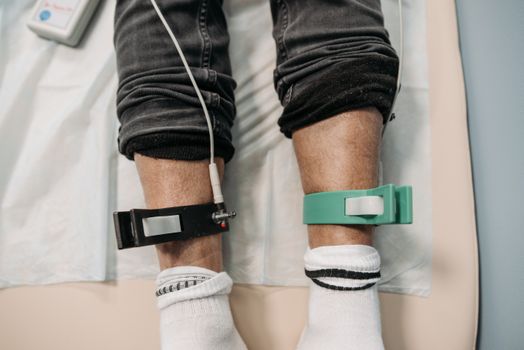 Photo: Pavel Danilyuk / Pexels
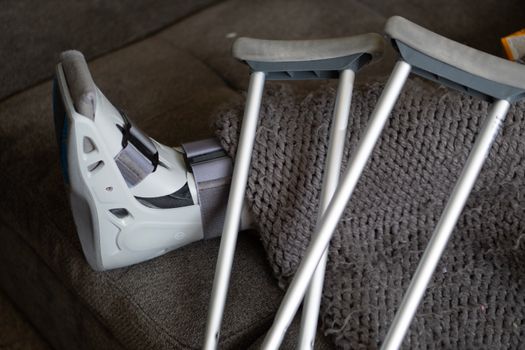 Photo: Oliver King / Pexels