
What Is Telemedicine and How Does It Work? Your Guide
Unlock the future of healthcare with convenient virtual doctor visits, prescription refills, and expert medical advice from anywhere.
Explore Virtual CareKey Takeaways
- ✓ Telemedicine uses technology for remote healthcare services.
- ✓ It offers convenience, accessibility, and often cost savings.
- ✓ Common services include virtual consultations, remote monitoring, and e-prescribing.
- ✓ Requires an internet connection, a device, and a secure platform.
How It Works
Patients typically schedule a telemedicine appointment online or via phone, selecting a time that suits them. They may be asked to provide basic medical history or reasons for the visit beforehand.
At the scheduled time, the patient connects with their healthcare provider through a secure video conferencing platform, phone call, or chat. This usually involves a unique link or login to a patient portal.
During the virtual visit, the provider discusses symptoms, reviews medical history, and may ask the patient to perform simple self-examinations. They then provide a diagnosis, treatment plan, or recommendation for further care.
Based on the consultation, the provider can send prescriptions electronically to the patient's preferred pharmacy or schedule follow-up virtual appointments. They may also refer the patient for in-person tests or specialist visits.
Understanding the Fundamentals of Telemedicine and Telehealth
 Photo: Pavel Danilyuk / Pexels
The Technology Powering Remote Healthcare Services
 Photo: www.kaboompics.com / Pexels
Navigating the Benefits and Challenges of Virtual Doctor Visits
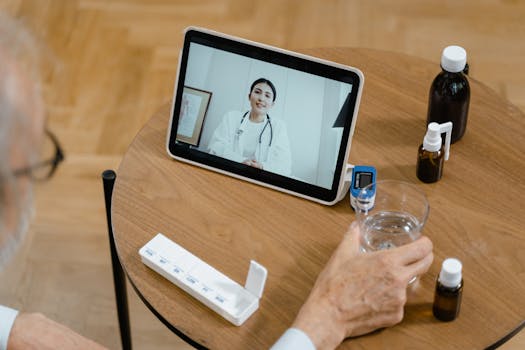 Photo: Tima Miroshnichenko / Pexels
Tips for a Successful Telemedicine Experience and Common Mistakes to Avoid
 Photo: www.kaboompics.com / Pexels
Comparison
| Feature | Telemedicine | In-Person Visit | Urgent Care Clinic |
|---|---|---|---|
| Convenience | High (from anywhere) | Low (travel required) | Medium (travel, wait time) |
| Accessibility | High (remote areas, mobility issues) | Medium (geographic limits) | Medium (hours, location) |
| Cost (Out-of-Pocket) | Often lower | Typically standard | Can be higher than PCP |
| Physical Exam | Limited (visual, guided) | Comprehensive | Basic to moderate |
| Wait Times | Short, scheduled | Can be long | Often moderate to long |
| Privacy | High (secure platforms) | High (private rooms) | Medium (shared waiting areas) |
| Chronic Care Management | Excellent (regular check-ins) | Good (scheduled visits) | Limited (episodic care) |
| Emergency Conditions | Not suitable | Essential | Suitable for non-life-threatening |
What Readers Say
"I was skeptical about what is telemedicine and how it works, but my experience was fantastic. I had a severe cold and didn't want to leave the house. The doctor was thorough, prescribed medication electronically, and I felt better in no time."
Sarah J. · Austin, TX"As someone with a busy work schedule, telemedicine has been a lifesaver for managing my chronic condition. Regular check-ins are so much easier, and I feel more connected to my care team. It's truly revolutionized my healthcare."
Mark D. · Denver, CO"I used telemedicine for a rash consultation. I sent pictures, and the dermatologist diagnosed it and sent a prescription within hours. No travel, no waiting room, just quick and effective care. Highly recommend understanding what is telemedicine and how does it work for minor issues."
Emily R. · Miami, FL"My first telemedicine visit was for a follow-up after surgery. While it couldn't replace an in-person physical check, it was incredibly convenient for discussing medication and recovery progress without needing to commute. A great complement to traditional care."
David L. · Seattle, WA"My kids often get sick at the most inconvenient times. Telemedicine has allowed me to get them seen by a doctor quickly, sometimes even on weekends, without exposing them to other germs in a clinic. It's a game-changer for parents."
Jessica M. · Chicago, ILFrequently Asked Questions
What types of conditions can be treated with telemedicine?
Telemedicine is suitable for a wide range of non-emergency conditions including colds, flu, allergies, rashes, minor injuries, pink eye, urinary tract infections (UTIs), chronic disease management, mental health counseling, and prescription refills. However, it's not appropriate for life-threatening emergencies or conditions requiring immediate physical examination or advanced diagnostics.
Is telemedicine as effective as an in-person doctor's visit?
For many common conditions and follow-up care, telemedicine can be just as effective as an in-person visit. Studies have shown high patient satisfaction and similar outcomes for appropriate cases. However, for conditions requiring a detailed physical exam or immediate hands-on intervention, an in-person visit remains essential.
How do I prepare for a telemedicine appointment?
To prepare, ensure you have a stable internet connection and a fully charged device. Find a quiet, private, and well-lit space. Have a list of your symptoms, current medications, and any questions ready. Be prepared to show areas of concern to the camera if guided by your provider.
Does insurance cover telemedicine services?
Most major insurance providers, including Medicare and Medicaid, now cover telemedicine services, especially since the COVID-19 pandemic. Coverage details can vary by plan and state, so it's always best to check with your specific insurance provider beforehand to understand your benefits and potential co-pays.
How does telemedicine compare to urgent care clinics?
Telemedicine offers greater convenience and can often be a more cost-effective option for non-emergency conditions that don't require immediate physical intervention. Urgent care clinics are better suited for issues that need a physical exam, minor procedures (like stitches), or X-rays, but are not life-threatening. For true emergencies, always go to the ER.
Who should consider using telemedicine?
Anyone seeking convenient access to healthcare for non-emergency conditions can benefit. This includes individuals in rural areas, those with busy schedules, people with mobility challenges, parents needing quick consultations for children, and individuals seeking mental health support or chronic disease management from home.
Is my personal health information safe during a telemedicine visit?
Reputable telemedicine platforms are designed with robust security measures to protect your personal health information. They are typically HIPAA-compliant, using encryption and secure data transmission protocols. Always use a secure, private internet connection and ensure the platform your provider uses is trusted.
What is the future outlook for telemedicine?
The future of telemedicine is bright, with continuous advancements in technology and increasing integration into mainstream healthcare. We can expect more sophisticated remote monitoring devices, AI-powered diagnostic tools, expanded specialist access, and even virtual reality applications to enhance the patient experience and provider capabilities, making healthcare even more personalized and accessible.
Understanding what is telemedicine and how it works empowers you to take control of your health with unparalleled convenience. Embrace the future of healthcare and explore the virtual care options available to you today for accessible, efficient, and patient-centered medical support.