
What is Preventive Healthcare and Why It's Important
Unlock a healthier future by understanding and embracing the power of proactive health management.
Start Your Health JourneyKey Takeaways
- ✓ Preventive healthcare focuses on maintaining health and preventing disease before it starts.
- ✓ It encompasses vaccinations, regular screenings, lifestyle changes, and health education.
- ✓ Investing in preventive care can significantly reduce the risk of chronic diseases like heart disease and diabetes.
- ✓ Early detection through screenings often leads to more effective and less invasive treatments.
How It Works
Regular check-ups with your primary care physician help establish a baseline of your health. This includes understanding your family medical history and current lifestyle factors.
This involves adopting healthy habits such as a balanced diet, regular exercise, and stress management. It also includes getting recommended vaccinations and age-appropriate screenings.
Health is dynamic, so your preventive plan should be too. Regular follow-ups with your doctor allow for monitoring of health markers and adjustments to your strategies as needed.
Continuously learn about health and wellness to make informed decisions. Being an active participant in your healthcare journey empowers you to take control of your well-being.
Unpacking the Core: What Exactly is Preventive Healthcare?
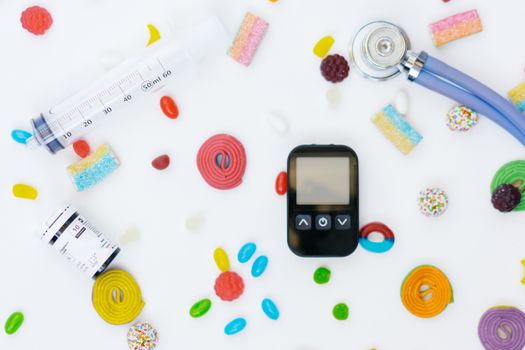 Photo: Mikhail Nilov / Pexels
The Indisputable Importance: Why Preventive Care is a Game-Changer for Your Health
 Photo: Nataliya Vaitkevich / Pexels
Pillars of Prevention: Key Components of an Effective Preventive Healthcare Plan
 Photo: Tahir Xəlfəquliyev / Pexels
Navigating Your Preventive Health Journey: Practical Tips and Common Missteps
 Photo: Towfiqu barbhuiya / Pexels
Comparison
| Feature | Preventive Healthcare | Reactive Healthcare | Wellness Programs |
|---|---|---|---|
| Primary Focus | Disease prevention, health maintenance | Disease diagnosis, treatment, cure | Holistic well-being, lifestyle improvement |
| Timing of Intervention | Before illness or early stages | After illness onset/symptoms | Ongoing, proactive |
| Key Activities | Screenings, vaccines, counseling | Medication, surgery, therapy | Nutrition, fitness, stress management |
| Cost Efficiency | High (long-term savings) | Lower (short-term focus) | Variable (depends on program) |
| Goal | Optimize health, extend lifespan | Alleviate symptoms, restore health | Enhance quality of life, vitality |
What Readers Say
"Understanding what is preventive healthcare and why it is important completely changed my outlook. My doctor helped me create a personalized plan, and I feel so much more in control of my health now. It's truly empowering to be proactive."
Sarah J. · Austin, TX"I used to only go to the doctor when I was sick. This article clarified what is preventive healthcare and why it's important, prompting me to schedule my first annual physical in years. It's a small step that feels like a huge investment in my future."
Mark T. · Chicago, IL"Thanks to regular preventive screenings, my doctor caught a potential issue very early. The intervention was minimal, and I'm back to full health. This experience profoundly showed me the value of preventive healthcare."
Emily R. · Denver, CO"While I always knew preventive healthcare was good, this explanation of what is preventive healthcare and why it is important made it much clearer. I'm still working on consistency with some lifestyle changes, but I'm committed to the long-term benefits."
David L. · Miami, FL"As a busy professional, I often put my health last. This article was a wake-up call about what is preventive healthcare and why it's important. I've now prioritized my annual check-ups and feel more energized and less stressed."
Jessica M. · Seattle, WAFrequently Asked Questions
What is the primary goal of preventive healthcare?
The primary goal of preventive healthcare is to maintain an individual's health, prevent diseases before they occur, and detect potential health problems at their earliest, most treatable stages. It aims to reduce morbidity, mortality, and improve overall quality of life by focusing on proactive measures rather than reactive treatments.
Is preventive healthcare covered by insurance in the US?
Yes, under the Affordable Care Act (ACA), most private health insurance plans and Medicare are required to cover a wide range of preventive services, such as screenings, vaccinations, and counseling, with no out-of-pocket costs (like co-pays or deductibles) when provided by an in-network provider. It's always best to check with your specific insurance provider for details on your plan's coverage.
How can I start incorporating preventive healthcare into my life?
To start, schedule an annual physical with a primary care physician to discuss your health history, lifestyle, and any concerns. Your doctor can recommend appropriate screenings and vaccinations based on your age, sex, and risk factors. Additionally, focus on adopting healthy lifestyle habits like a balanced diet, regular exercise, adequate sleep, and stress management.
Is preventive healthcare more expensive than treating diseases?
While there are costs associated with preventive care, it is generally far more cost-effective in the long run than treating advanced diseases. Preventing a chronic condition or detecting it early can save individuals significant medical expenses, reduce lost productivity, and lessen the burden on healthcare systems compared to managing complex, late-stage illnesses.
How does preventive healthcare differ from wellness programs?
Preventive healthcare is a medical approach focused on preventing specific diseases through screenings, vaccinations, and clinical interventions. Wellness programs, while complementary, typically focus on broader lifestyle improvements like fitness, nutrition, and stress reduction to enhance overall well-being and often don't involve direct medical interventions or diagnoses.
Who should engage in preventive healthcare?
Everyone should engage in preventive healthcare, regardless of age or current health status. Preventive measures are crucial from infancy (e.g., immunizations) through adulthood (e.g., cancer screenings, cardiovascular health) and into older age (e.g., bone density screenings, fall prevention). It's a lifelong commitment to maintaining health.
Are there any risks associated with preventive screenings?
While generally safe, some preventive screenings carry minor risks, such as false positives (leading to unnecessary anxiety or further testing) or false negatives (missing a condition). Invasive procedures like colonoscopies have very small risks of complications. Your doctor will discuss the benefits and risks of specific screenings to help you make informed decisions.
What are the future trends in preventive healthcare?
Future trends in preventive healthcare include increased personalization through genetic testing and precision medicine, leveraging AI and big data for risk prediction, wider adoption of digital health tools (wearables, telehealth) for remote monitoring and coaching, and a greater emphasis on social determinants of health to address systemic barriers to wellness.
Embrace the power of proactive health management by understanding what is preventive healthcare and why it is important. Take the first step towards a healthier, longer life by scheduling a conversation with your healthcare provider today and building your personalized preventive health plan.