What is a Colonoscopy Procedure Like? Your Complete Guide
colonoscopy procedure

What is a Colonoscopy Procedure Like? Your Complete Guide

Demystify the colonoscopy process, ensuring you're informed and prepared for this vital health screening.

Learn More

Key Takeaways

  • ✓ A colonoscopy is a crucial screening for colon cancer and other bowel conditions.
  • ✓ Preparation typically involves a special diet and bowel cleansing solution.
  • ✓ The procedure itself is usually painless due to sedation.
  • ✓ Recovery is generally quick, with most people resuming normal activities the next day.

How It Works

1
Initial Consultation & Scheduling

Your doctor will discuss your medical history, explain the procedure's necessity, and schedule your colonoscopy. This is your chance to ask any initial questions and understand the timeline.

2
Bowel Preparation

Starting a day or two before, you'll follow a clear liquid diet and take a prescribed laxative solution. This step is critical for a clear view of your colon lining during the procedure.

3
The Procedure Day

You'll arrive at the facility, receive sedation, and the gastroenterologist will gently insert a colonoscope. The scope transmits images to a monitor, allowing for thorough examination and polyp removal if necessary.

4
Recovery & Results

After the procedure, you'll recover from sedation for about an hour before being discharged. Your doctor will discuss initial findings, and biopsy results will follow within a few days.

Understanding the 'Why' Behind Your Colonoscopy

Elderly male doctor with glasses using stethoscope indoors during a medical consultation. Photo: Tima Miroshnichenko / Pexels
A colonoscopy isn't just another medical appointment; it's a powerful diagnostic and preventative tool that can save lives. Understanding why your doctor recommends this procedure is the first step in alleviating any apprehension and embracing its importance. Primarily, colonoscopies are performed for two main reasons: screening for colorectal cancer and diagnosing other gastrointestinal issues. Colorectal cancer often develops from precancerous polyps in the colon or rectum. These polyps can be small and benign initially, but over time, some can transform into malignant tumors. A colonoscopy allows a gastroenterologist to visually inspect the entire length of your large intestine, identify these polyps, and remove them before they have a chance to become cancerous. This makes it a unique procedure that is both diagnostic and therapeutic, preventing cancer rather than just detecting it at a later stage. The American Cancer Society recommends that individuals at average risk begin regular screening at age 45. However, if you have a family history of colorectal cancer, inflammatory bowel disease (such as Crohn's disease or ulcerative colitis), or certain genetic syndromes, your doctor may recommend starting screenings earlier and more frequently. Symptoms that might prompt a diagnostic colonoscopy include unexplained changes in bowel habits, rectal bleeding, persistent abdominal pain, weight loss, or anemia. These symptoms can be indicative of various conditions, from diverticulitis to inflammatory bowel disease, and a colonoscopy provides the clearest picture for an accurate diagnosis. The procedure also allows for biopsies of suspicious areas, further aiding in diagnosis. Knowing the specific reason for your colonoscopy can help you prepare mentally and physically, understanding that this is a proactive step towards maintaining your health and well-being. It's an investment in your future, providing peace of mind and potentially preventing serious health complications down the line. Don't hesitate to ask your doctor about the specific reasons for your recommended procedure; informed patients are empowered patients. Learn more about colon cancer prevention strategies.

The Critical Bowel Preparation Process
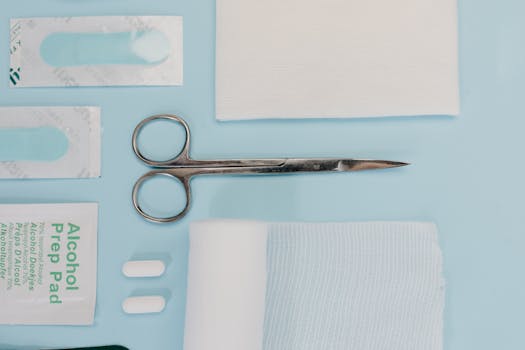
Top view of various medical supplies including scissors, bandages, and prep pads on a blue surface. Photo: Tara Winstead / Pexels
Perhaps the most talked-about and often dreaded part of a colonoscopy is the bowel preparation. While it requires adherence to a strict regimen, it is absolutely essential for the success and accuracy of the procedure. Imagine trying to find a tiny polyp in a colon that isn't perfectly clean – it would be like looking for a needle in a haystack. Inadequate preparation can lead to missed polyps, unclear views, and in some cases, the need to repeat the entire procedure. The preparation typically begins a few days before your colonoscopy. You'll usually be instructed to switch to a low-fiber diet, avoiding nuts, seeds, whole grains, and raw fruits and vegetables, as these can leave residue in the colon. The day before the procedure is when the most significant changes occur. You'll transition to a clear liquid diet, which includes broth, clear juices (like apple or white grape), plain gelatin, popsicles, and water. Red, purple, or blue liquids are generally avoided as their dyes can sometimes be mistaken for blood during the examination. The main component of the bowel prep is a prescribed laxative solution, often a large volume of liquid that you drink over several hours, sometimes split into two doses (split-dose regimen), with the second dose taken on the morning of the procedure. This solution works by flushing out your digestive system. You will experience frequent bowel movements and diarrhea, which is exactly what is intended. It’s important to stay near a bathroom and drink plenty of clear liquids to stay hydrated. Some common side effects of the prep include nausea, bloating, and abdominal cramping. Your doctor or pharmacist can offer tips to manage these, such as chilling the solution, drinking it through a straw, or taking anti-nausea medication if prescribed. Following the instructions precisely is paramount. Don't skip doses or deviate from the diet. If you have any concerns or experience severe discomfort, contact your doctor immediately. While uncomfortable, remember that this temporary inconvenience is a small price to pay for a thorough and effective colonoscopy, greatly increasing the chances of detecting and removing precancerous growths. A well-prepared colon ensures your doctor can perform the most comprehensive examination possible.

The Colonoscopy Procedure Itself: What to Expect on the Day
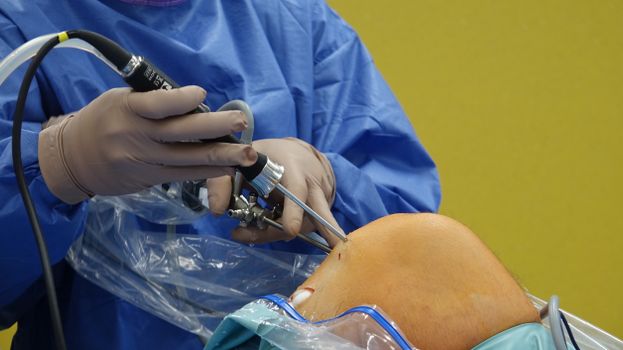
Surgeon using arthroscope for precise knee surgery in operating room. Photo: Viktors Duks / Pexels
The day of your colonoscopy, you'll arrive at the medical facility, typically an outpatient center or hospital, feeling a mixture of anticipation and perhaps a little anxiety. The staff will guide you through the check-in process, and you'll change into a gown. A nurse will take your vital signs, review your medical history, and confirm that you've followed all the preparation instructions. This is another excellent opportunity to ask any last-minute questions you might have. Before the procedure begins, an intravenous (IV) line will be inserted into your arm. This is used to administer sedatives and pain medication. The type of sedation can vary; some patients receive 'conscious sedation,' where they are relaxed and drowsy but still somewhat aware, while others may receive 'deep sedation' or general anesthesia, where they are completely asleep. Your doctor will discuss the best option for you, considering your health and the complexity of the procedure. Once the sedation takes effect, you'll be positioned on your side on an examination table. The gastroenterologist will then gently insert a long, flexible, lighted tube called a colonoscope into your rectum and guide it through your large intestine. The colonoscope has a tiny camera at its tip that transmits images to a video monitor, allowing the doctor to view the entire lining of your colon in detail. Air or carbon dioxide is often gently pumped into the colon through the scope to inflate it, providing a clearer view. This can sometimes cause a feeling of fullness or mild cramping, but the sedation usually minimizes discomfort. If polyps are found, they are typically removed immediately using tiny instruments passed through the scope. This process, called a polypectomy, is painless. Biopsies of any suspicious areas can also be taken. The entire procedure usually takes between 30 to 60 minutes. Throughout the process, the medical team monitors your vital signs, ensuring your safety and comfort. You won't feel anything during the procedure due to the sedation, and many patients have no memory of it afterward. The goal is to make the experience as stress-free and comfortable as possible while ensuring a thorough and effective examination. Discover more about advanced endoscopy techniques.

Recovery and Post-Procedure Tips

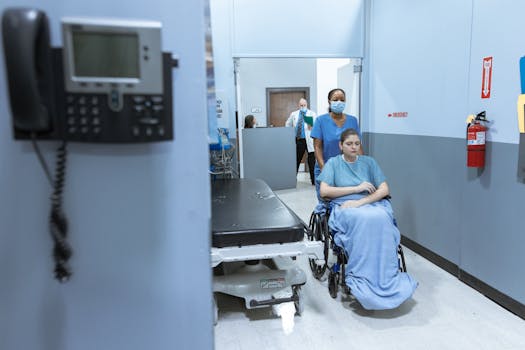
A nurse helps a patient in a wheelchair down a hospital corridor, reflecting care and medical professionalism. Photo: RDNE Stock project / Pexels
After your colonoscopy, you'll be moved to a recovery area where you'll gradually wake up from the sedation. Nurses will monitor your vital signs and ensure you're recovering well. It's common to feel groggy, disoriented, and have some mild abdominal cramping or gas. This gas is from the air or carbon dioxide used to inflate your colon during the procedure and will pass naturally. Walking around a bit can help relieve this discomfort. You will not be allowed to drive yourself home, so it's crucial to have a friend or family member pick you up. The effects of sedation can linger for several hours, making it unsafe to operate a vehicle, machinery, or make important decisions. It's recommended to rest for the remainder of the day. You can usually resume your normal diet, though some doctors might suggest starting with light, easily digestible foods. Avoid alcohol and strenuous activities for at least 24 hours. Your doctor will likely provide you with initial results before you leave the facility. If polyps were removed or biopsies taken, the tissue will be sent to a lab for analysis, and you'll receive those results within a few days to a couple of weeks. Make sure you understand when and how you'll receive these results and what follow-up steps are necessary. Here are some essential post-procedure tips: * **Arrange for transportation:** Absolutely critical, as you cannot drive after sedation. * **Rest:** Take it easy for the rest of the day; avoid work or demanding tasks. * **Hydrate:** Drink plenty of fluids to help your body recover. * **Eat Lightly:** Start with bland, easily digestible foods, slowly returning to your regular diet. * **Monitor Symptoms:** While mild discomfort is normal, contact your doctor if you experience severe abdominal pain, persistent nausea/vomiting, fever, or significant rectal bleeding. * **Follow-up:** Adhere to any follow-up appointments or instructions regarding polyp biopsy results. Understanding the recovery process helps manage expectations and ensures a smooth return to your daily routine, reinforcing the positive impact of this important health screening.

Comparison

FeatureColonoscopyStool-Based TestsCT Colonography (Virtual Colonoscopy)
Detection of PolypsDirect visualization & removalIndirect, detects blood or DNADetects polyps >5-10mm, no removal
Biopsy/Removal of Polyps✓ (during procedure)✗ (requires separate colonoscopy)
Sedation Required
Bowel PrepExtensiveMinimal/NoneExtensive
InvasivenessInvasiveNon-invasiveMinimally invasive (radiation exposure)
FrequencyEvery 10 years (average risk)Annually/Every 1-3 yearsEvery 5 years

What Readers Say

"I was really nervous about what a colonoscopy procedure was like, especially the prep. But the staff walked me through everything, and the sedation meant I didn't feel a thing. Woke up feeling fine, just a little groggy, and glad it was over."

Sarah J. · Dallas, TX

"My doctor emphasized the importance of this screening, and while the prep was challenging, the procedure itself was a breeze. I had polyps removed, and I'm so relieved they caught them early. Highly recommend not delaying this."

Michael D. · Phoenix, AZ

"The nurse was incredibly kind and reassuring. I opted for deep sedation and truly remember nothing after the IV. Woke up in recovery, no pain, just passed some gas. My results were clear, which gives me immense peace of mind."

Emily R. · Chicago, IL

"The prep was definitely the hardest part, but manageable with the right mindset. The colonoscopy itself was quick and painless thanks to the sedation. I appreciated the thorough explanation from the doctor afterward, though I was still a bit fuzzy from the meds."

David L. · Atlanta, GA

"Having a family history of colon cancer, I was anxious. The medical team was fantastic, addressing all my concerns about what a colonoscopy procedure is like. They found and removed a small polyp, potentially saving me from a much worse outcome later."

Jessica M. · Seattle, WA

Frequently Asked Questions

Is a colonoscopy painful?

No, a colonoscopy is generally not painful. You will receive sedation before the procedure, which will make you relaxed, drowsy, or even completely asleep. Most patients report no discomfort during the procedure and have little to no memory of it afterward.

What happens if they find polyps?

If polyps are found during your colonoscopy, they are typically removed immediately during the same procedure. This process, called a polypectomy, is painless. The removed polyps are then sent to a lab for analysis to determine if they are benign or precancerous.

How long does the entire colonoscopy process take?

The colonoscopy procedure itself usually takes about 30 to 60 minutes. However, you should plan to be at the facility for 2-3 hours total, which includes check-in, preparation for sedation, the procedure, and recovery afterward.

How much does a colonoscopy cost?

The cost of a colonoscopy can vary widely depending on your insurance, the facility, and your location. For screening colonoscopies, many insurance plans, including Medicare, cover the full cost. It's crucial to check with your insurance provider beforehand to understand your specific coverage and potential out-of-pocket expenses.

How does a colonoscopy compare to a virtual colonoscopy?

A traditional colonoscopy allows for direct visualization of the entire colon and immediate removal of polyps or biopsies. A virtual colonoscopy (CT colonography) uses CT scans to create images of the colon; it can detect polyps but cannot remove them, meaning a traditional colonoscopy would still be needed if polyps are found.

Who should get a colonoscopy?

Individuals at average risk for colorectal cancer should begin screening at age 45. Those with a family history of colon cancer, personal history of inflammatory bowel disease, or certain genetic syndromes may need to start screening earlier and more frequently, as advised by their doctor.

Are there any risks associated with a colonoscopy?

Colonoscopies are generally very safe. Potential, but rare, risks include perforation (a tear in the colon wall), bleeding (especially after polyp removal), and adverse reactions to sedation. Your doctor will discuss these risks with you before the procedure.

What are the latest advancements in colonoscopy technology?

Recent advancements include high-definition colonoscopes for clearer imaging, chromoendoscopy (using dyes to highlight abnormal tissue), and cap-assisted colonoscopy to improve visibility. Research is also ongoing into AI-assisted detection of polyps to further enhance accuracy during the procedure.

Understanding what a colonoscopy procedure is like can alleviate fears and empower you to prioritize this vital screening. Don't let apprehension deter you from a procedure that could save your life; talk to your doctor today about scheduling your colonoscopy and taking a proactive step towards your health.

Topics: colonoscopy procedurecolon cancer screeningcolonoscopy preparationendoscopygastroenterology
Leo List
Brampton weed
Adultwork EstrelaBet Vai de Bet R7 Bet Betão Galera Bet Rainbet Bet9ja Shop SportyBet BetKing Sisal Loto Foot Hollywoodbets YesPlay Odibets RushBet Jugabet BetWarrior BetCity MSport betPawa Fortebet