What is a Colonoscopy Procedure? Your Ultimate Guide
what is a colonoscopy procedure

What is a Colonoscopy Procedure? Your Ultimate Guide

Demystify this crucial screening, understand its benefits, and prepare confidently for a healthier future.

Understand Your Health

Key Takeaways

  • ✓ A colonoscopy examines the entire large intestine (colon) and rectum.
  • ✓ It's the gold standard for colon cancer screening and prevention.
  • ✓ Polyps can be removed during the procedure, preventing them from becoming cancerous.
  • ✓ Preparation involves a strict diet and bowel-cleansing regimen.

How It Works

1
Bowel Preparation

Before the procedure, you'll follow a specific diet and drink a special solution to cleanse your colon. This is crucial for clear visualization during the colonoscopy.

2
Sedation & Examination

Upon arrival, you'll receive sedation to ensure comfort and relaxation throughout the procedure. A thin, flexible tube with a camera (colonoscope) is then gently guided through your rectum into your colon.

3
Polyp Removal & Biopsy

The doctor examines the colon lining for polyps, inflammation, or other abnormalities. If polyps are found, they are typically removed immediately, and tissue samples (biopsies) can be taken for further analysis.

4
Recovery & Results

After the procedure, you'll recover from sedation in a dedicated area, often feeling drowsy. Your doctor will discuss initial findings, and detailed biopsy results usually follow within a few days.

Understanding the Vital Role of Colonoscopy Screening
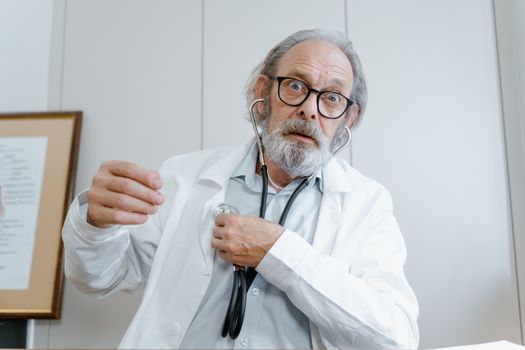
Elderly male doctor with glasses using stethoscope indoors during a medical consultation. Photo: Tima Miroshnichenko / Pexels
When people ask, "what is a colonoscopy procedure?" they're often seeking clarity on a medical intervention that plays an absolutely critical role in preventative healthcare, particularly concerning colorectal cancer. A colonoscopy is far more than just a diagnostic test; it's a powerful preventative tool that can literally save lives. It involves a gastroenterologist using a long, flexible, lighted tube called a colonoscope to examine the entire length of your large intestine (colon) and rectum. This scope has a tiny camera at its tip, which transmits images to a video screen, allowing the doctor to meticulously inspect the inner lining of your bowel. The primary reason for undergoing this procedure is to screen for colorectal cancer, which is the third most common cancer diagnosed in both men and women in the United States, excluding skin cancers. What makes colonoscopy so unique and effective is its ability to detect and remove precancerous growths, known as polyps, before they have the chance to develop into full-blown cancer. Most colorectal cancers begin as these benign polyps, which grow slowly over many years. By identifying and removing them during the colonoscopy, the disease can often be prevented altogether. This proactive approach distinguishes it from many other cancer screenings that primarily aim for early detection of existing cancer. Beyond cancer prevention, a colonoscopy is also used to investigate symptoms such as unexplained abdominal pain, changes in bowel habits, rectal bleeding, or unexplained weight loss. It can help diagnose conditions like inflammatory bowel disease (IBD), diverticulosis, and other gastrointestinal issues. While less common, it can also be used therapeutically, for instance, to treat some causes of lower gastrointestinal bleeding. The detailed visual information it provides is unparalleled, making it an indispensable tool for maintaining digestive health. Understanding this fundamental purpose is the first step in appreciating the value of preventative health screenings and facing the procedure with confidence. It's not just about finding problems; it's about actively preventing them.

Preparing for Your Colonoscopy: A Step-by-Step Guide
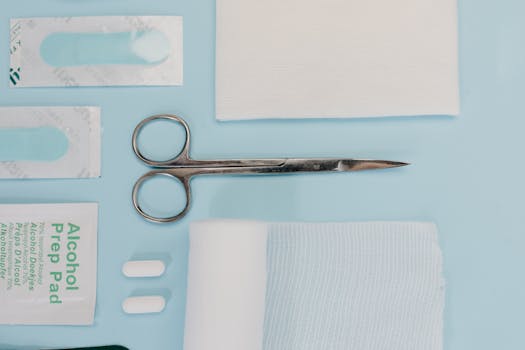
Top view of various medical supplies including scissors, bandages, and prep pads on a blue surface. Photo: Tara Winstead / Pexels
The preparation phase is arguably the most crucial part of a successful colonoscopy procedure. Many patients express apprehension about the prep, but understanding each step can significantly alleviate anxiety and ensure the best possible diagnostic outcome. The goal of the preparation is to completely cleanse your colon of all stool, allowing the doctor an unobstructed view of the colon lining. Any residual stool can obscure polyps or other abnormalities, potentially leading to missed diagnoses or the need for a repeat procedure. Typically, preparation begins a few days before the procedure. You'll likely be instructed to follow a low-fiber diet for several days leading up to the main cleansing phase. This means avoiding foods like whole grains, nuts, seeds, raw fruits, and vegetables, which are difficult to digest and leave behind residue. Instead, you'll focus on easily digestible foods like white bread, clear broths, lean proteins, and plain pasta. The day before your colonoscopy, your diet will transition to clear liquids only. This includes water, clear broths, clear juices (like apple juice, but no pulp), clear sodas, plain gelatin, and sports drinks (avoiding red, blue, or purple dyes, as these can stain the colon lining and be mistaken for blood). This clear liquid diet ensures no solid food enters your digestive system, paving the way for the laxative solution. Later that day, you will begin drinking the prescribed bowel-cleansing solution. There are several types of preparations available, and your doctor will choose the one best suited for you. These solutions typically involve drinking a large volume of liquid laxative over several hours, often split into two doses: one the evening before and one several hours before the procedure on the day of. It's essential to follow the instructions precisely, as deviations can compromise the effectiveness of the prep. You will experience frequent bowel movements, often watery, until your stool is clear and yellowish, like urine. Staying hydrated with additional clear liquids is vital during this phase to prevent dehydration. While challenging, remember that thorough preparation is key to a successful examination and accurate results, making the temporary discomfort well worth the long-term health benefits.

What to Expect During and After the Procedure
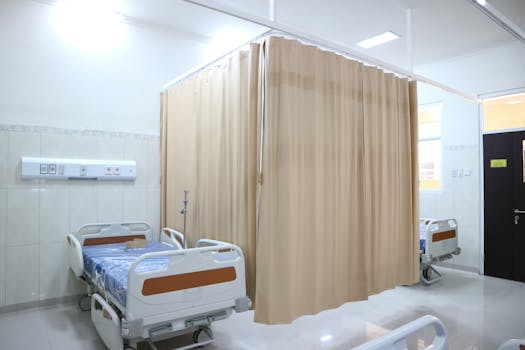
Quiet hospital ward with beds and privacy curtains in Surabaya, Indonesia. Photo: gorden murah surabaya / Pexels
Knowing what to expect during and immediately after your colonoscopy can significantly reduce anxiety and help you plan your day effectively. On the day of your procedure, you'll arrive at the medical facility and complete any remaining paperwork. You'll then be taken to a pre-procedure area where a nurse will review your medical history, take your vital signs, and insert an intravenous (IV) line. This IV will be used to administer fluids and, most importantly, the sedative medication. Sedation is a critical component of the colonoscopy experience, ensuring your comfort and minimizing any potential discomfort. Most patients receive conscious sedation, which makes you drowsy and relaxed, often putting you in a state of 'twilight sleep' where you may not remember the procedure. In some cases, deeper sedation or general anesthesia might be used, especially if there are specific medical reasons or patient preferences. Once sedated, you'll be positioned on your side, and the gastroenterologist will gently insert the colonoscope into your rectum and advance it through the colon. Air or carbon dioxide is often introduced into the colon to gently inflate it, providing a better view of the lining. This inflation might cause a feeling of fullness or mild cramping, but the sedation typically ensures you remain comfortable. During the examination, the doctor will carefully inspect the entire colon for any abnormalities. If polyps are found, they are usually removed using tiny instruments passed through the scope (polypectomy). Biopsies of suspicious areas can also be taken. These procedures are painless because the colon lining lacks nerve endings that sense pain. The entire procedure typically lasts between 30 to 60 minutes. After the colonoscope is withdrawn, you'll be moved to a recovery area where you'll slowly wake up from the sedation. You might feel groggy, have some mild cramping due to residual gas, or feel bloated. Nurses will monitor your vital signs until you are fully awake and stable. You will not be allowed to drive yourself home due to the lingering effects of the sedation, so arranging for a ride is essential. Your doctor will provide initial findings and post-procedure instructions, which will include information about your diet and activity levels for the rest of the day. Full recovery from the sedation usually takes several hours, and it's advisable to rest for the remainder of the day. For more information on managing post-procedure recovery, consult your care team. This entire process, while seemingly daunting, is a routine and safe procedure designed to protect your long-term health.

Tips for a Smooth Colonoscopy Experience & Common Mistakes to Avoid
A detailed flat lay of essential first aid supplies including bandages, scissors, and pills. Photo: Marta Branco / Pexels
Having a smooth colonoscopy experience largely hinges on diligent preparation and understanding what to expect. While the procedure itself is typically straightforward due to sedation, the period leading up to it can be challenging. Here are some invaluable tips and common mistakes to avoid to ensure your colonoscopy is as comfortable and effective as possible: **Tips for a Smooth Experience:** * **Read Instructions Thoroughly:** Your doctor's office will provide detailed instructions. Read them several times, well in advance, to understand every step, especially regarding diet and laxative timing. * **Plan Your Prep Day:** Dedicate the day before your procedure to staying home. Arrange for childcare or time off work. Keep your schedule clear to focus solely on the bowel preparation. * **Chill Your Prep Solution:** Many find the taste of the bowel prep solution more palatable when it's chilled. You can also try drinking it through a straw to bypass some taste buds. * **Stay Hydrated:** Drink plenty of clear liquids in addition to the prep solution. This helps prevent dehydration and can make the process easier. * **Use Barrier Cream:** Apply petroleum jelly or a similar barrier cream to the skin around your anus before and during the prep. Frequent bowel movements can cause irritation. * **Have Entertainment Ready:** The prep involves a lot of time in the bathroom. Have a book, tablet, or phone charged and ready to keep you occupied. * **Arrange Your Ride Home:** This is non-negotiable. You cannot drive after sedation, so secure a reliable ride well in advance. * **Ask Questions:** If anything is unclear about the instructions, call your doctor's office. Don't guess. **Common Mistakes to Avoid:** * **Ignoring Dietary Restrictions:** Eating forbidden foods, even small amounts, can compromise the clarity of your colon and lead to a rescheduled procedure. * **Not Drinking All the Prep Solution:** Resist the urge to stop drinking the solution if you feel you're 'clear enough.' Completing the entire prescribed amount is crucial for optimal visualization. * **Not Starting Prep on Time:** Delaying the start of your prep can mean you're not fully cleansed by the time of your appointment, leading to issues. * **Wearing Red/Purple Dyes:** These can mimic blood in the colon, so avoid clear liquids of these colors. * **Skipping Sedation Discussion:** If you have concerns about sedation or have had adverse reactions in the past, discuss this with your doctor and anesthesiologist beforehand. * **Driving Yourself Home:** This is a safety hazard and is strictly prohibited after sedation. Always have someone else drive you. * **Not Planning for Post-Procedure:** You'll likely be groggy and tired. Don't plan strenuous activities or important decisions for the rest of the day. Rest is key. By following these tips and avoiding these common pitfalls, you can ensure that your colonoscopy is as effective, safe, and comfortable as possible, maximizing its preventative health benefits.

Comparison

FeatureColonoscopyStool-based Tests (FIT/gFOBT)CT Colonography (Virtual Colonoscopy)
Detection & PreventionDetects and removes polyps (preventative)Detects blood (early detection of cancer)Detects polyps and tumors (diagnostic)
Scope of ViewEntire colon & rectum (direct visual)Indirect evidenceEntire colon (X-ray images)
Intervention Possible✓ (Polyp removal, biopsy)✗ (Requires follow-up colonoscopy)✗ (Requires follow-up colonoscopy)
Preparation RequiredFull bowel prepNo special prepBowel prep (less rigorous than colonoscopy)
Sedation Required
Frequency (Average Risk)Every 10 yearsAnnuallyEvery 5 years

What Readers Say

"My first colonoscopy was much easier than I anticipated. The prep wasn't fun, but the staff were amazing, and I felt nothing during the procedure thanks to the sedation. So glad I did it for peace of mind!"

Sarah J. · Austin, TX

"I had put off my colonoscopy for years, but understanding what is a colonoscopy procedure finally motivated me. The team was professional, explained everything, and the recovery was quick. Highly recommend not delaying."

Mark D. · Chicago, IL

"During my colonoscopy, they found and removed several polyps that could have turned cancerous. The doctor said this procedure likely saved my life. It's a small inconvenience for such a huge health benefit."

Emily R. · Denver, CO

"The prep was definitely the hardest part, and I experienced some discomfort with the laxative. However, the procedure itself was seamless, and the doctor was very thorough. Worth it for the screening."

Robert L. · Miami, FL

"My family has a history of colon cancer, so understanding what is a colonoscopy procedure was crucial. The care I received was excellent, from scheduling to post-procedure instructions. I feel so much better having this crucial screening done."

Jessica M. · Seattle, WA

Frequently Asked Questions

What is the recommended age to start colonoscopy screenings?

For individuals at average risk, the current recommendation from the American Cancer Society and U.S. Preventive Services Task Force is to begin regular colonoscopy screenings at age 45. If you have a family history of colorectal cancer or certain risk factors, your doctor might recommend starting earlier.

Is a colonoscopy painful?

No, a colonoscopy is generally not painful. You will receive sedation before the procedure, which ensures you are comfortable and relaxed, often falling into a 'twilight sleep.' Most patients report no memory of the procedure itself.

How long does a colonoscopy procedure take, including prep and recovery?

The actual examination typically takes 30-60 minutes. However, you should allocate a full day for the entire process, including check-in, preparation for sedation, the procedure itself, and several hours in the recovery room until the sedation wears off. The bowel prep takes place the day before.

How much does a colonoscopy cost, and is it covered by insurance?

The cost of a colonoscopy can vary widely based on your insurance plan, location, and facility. For screening colonoscopies, most insurance plans, including Medicare, cover the procedure as a preventative service with little to no out-of-pocket cost. It's crucial to verify coverage with your insurance provider beforehand, especially if polyps are removed, as this can sometimes change how the claim is processed.

What are the alternatives to a colonoscopy for colon cancer screening?

While colonoscopy is considered the gold standard, alternatives include stool-based tests (like FIT or Cologuard), CT colonography (virtual colonoscopy), and flexible sigmoidoscopy. Each has different levels of effectiveness, frequency, and invasiveness. Your doctor can help you determine the best screening method based on your individual risk factors and preferences.

Who should get a colonoscopy?

Anyone aged 45 and older at average risk for colorectal cancer should consider a colonoscopy. Individuals with a personal or family history of colorectal cancer or polyps, inflammatory bowel disease, or certain genetic syndromes may need earlier or more frequent screenings. Always consult your doctor to determine your specific screening schedule.

Are there any risks associated with a colonoscopy?

Colonoscopy is generally very safe. Rare risks include a perforation (tear) in the colon wall, bleeding (especially after polyp removal), and reactions to sedation. Your medical team takes precautions to minimize these risks, and they occur in a very small percentage of cases.

What advancements are being made in colonoscopy procedures?

Recent advancements include improved colonoscope technology with higher definition imaging and artificial intelligence (AI) assistance for polyp detection, making the procedure even more effective. Additionally, research continues into less invasive bowel preparation methods and enhanced patient comfort protocols to improve the overall experience.

Now that you understand what is a colonoscopy procedure, don't delay this vital screening. Talk to your doctor today to schedule your colonoscopy and take a proactive step towards preventing colorectal cancer and safeguarding your long-term health.

Topics: what is a colonoscopy procedurecolonoscopy screeningcolon cancer preventionbowel preparationcolonoscopy recovery
Leo List
Brampton weed
Adultwork