
What is a Colonoscopy Procedure? Your Ultimate Guide
Gain clarity and confidence about this essential screening that can save lives through early detection.
Understand Your HealthKey Takeaways
- ✓ A colonoscopy is a procedure to examine the large intestine (colon and rectum).
- ✓ It is the most effective screening tool for colon cancer prevention.
- ✓ The preparation involves a special diet and bowel cleansing.
- ✓ Sedation is typically used, making the procedure painless for most.
- ✓ Regular screenings are recommended starting at age 45 for average-risk individuals.
How It Works
You'll discuss your medical history and any symptoms with your doctor. They will then determine if a colonoscopy is appropriate and schedule the procedure.
This crucial step involves following a clear liquid diet and taking prescribed laxatives to thoroughly cleanse the colon. A clean colon is essential for accurate visualization.
Upon arrival, you'll be prepped and an IV will be placed for sedation. The gastroenterologist will then insert a flexible scope into your rectum and guide it through your colon.
After the procedure, you'll recover from sedation for a short period. You'll need someone to drive you home and should rest for the remainder of the day.
Understanding the Vital Role of a Colonoscopy in Preventative Health
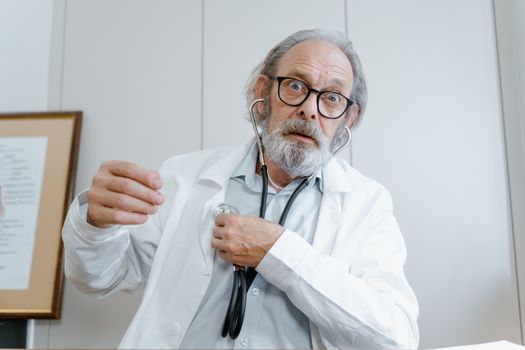 Photo: Tima Miroshnichenko / Pexels
The Preparation Process: Key to a Successful Colonoscopy
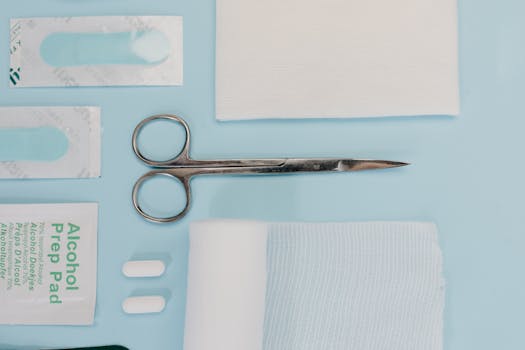 Photo: Tara Winstead / Pexels
What to Expect During and After Your Colonoscopy Procedure
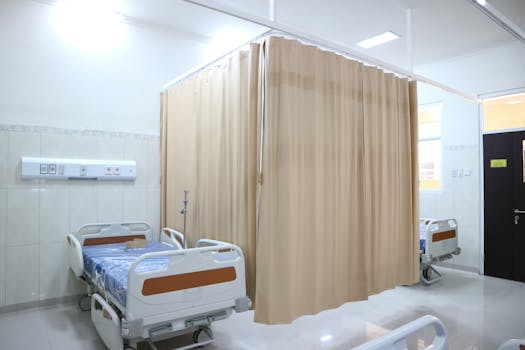 Photo: gorden murah surabaya / Pexels
Navigating Potential Risks and What to Consider
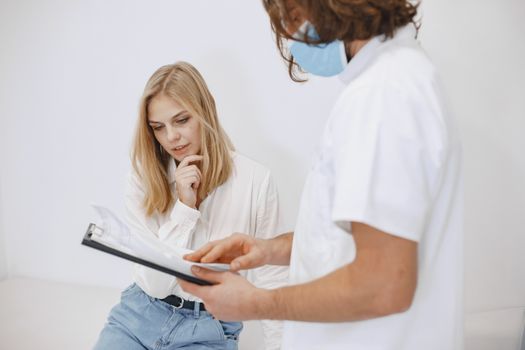 Photo: Gustavo Fring / Pexels
- Communicate with Your Doctor: Don't hesitate to ask questions about the procedure, preparation, or any concerns you have.
- Follow Prep Instructions Meticulously: An incomplete prep is the leading cause of repeat procedures or missed findings.
- Arrange for Transportation: Sedation makes driving unsafe. Plan for a ride home and someone to stay with you.
- Understand Your Results: Discuss the findings with your doctor and understand when your next screening is recommended.
- Don't Delay: Procrastinating this vital screening can have serious health consequences.
Comparison
| Feature | Colonoscopy (Gold Standard) | Stool-Based Tests (FIT, FIT-DNA) | CT Colonography (Virtual Colonoscopy) |
|---|---|---|---|
| Detection & Prevention | Detects and removes polyps/cancer | Detects blood/DNA associated with cancer | Detects polyps/cancer (no removal) |
| Procedure Type | Invasive (scope inserted) | Non-invasive (stool sample) | Non-invasive (CT scan) |
| Bowel Preparation | Full bowel prep required | No special prep | Bowel prep required (less stringent) |
| Sedation Required | ✓ | ✗ | ✗ |
| Frequency (Average Risk) | Every 10 years | Annually (FIT), Every 1-3 years (FIT-DNA) | Every 5 years |
| Follow-up Needed if Positive | N/A (treatment often during procedure) | ✓ (requires colonoscopy) | ✓ (requires colonoscopy) |
What Readers Say
"I was so nervous about what is a colonoscopy procedure, especially the prep. But the medical team was incredible, explaining everything clearly. The procedure itself was a breeze, and I woke up feeling fine. So glad I did it for my health!"
Sarah J. · Austin, TX"My doctor recommended a colonoscopy after I turned 45. The prep was the hardest part, but honestly, it wasn't as bad as I imagined. The staff made me feel comfortable, and the peace of mind knowing my colon is healthy is priceless."
Mark D. · Chicago, IL"They found and removed several polyps during my colonoscopy, which my doctor said could have turned into cancer. This procedure truly saved my life. Everyone should get screened when recommended."
Emily R. · Denver, CO"The colonoscopy procedure itself was painless thanks to the sedation. The bowel prep was definitely an inconvenience, but I understand its necessity. Overall, a positive experience for a crucial health check."
Robert L. · Miami, FL"I have a family history of colon cancer, so getting a colonoscopy was a priority for me. The team was compassionate and efficient. Knowing I'm proactive about my health provides immense relief."
Jessica M. · Seattle, WAFrequently Asked Questions
At what age should I get my first colonoscopy?
For individuals at average risk for colorectal cancer, the American Cancer Society and other major health organizations recommend starting regular colonoscopies at age 45. If you have a family history of colon cancer or certain other risk factors, your doctor might recommend starting earlier or having more frequent screenings. It's essential to discuss your personal risk factors with your healthcare provider to determine the best screening schedule for you.
Is the colonoscopy procedure painful?
No, the colonoscopy procedure itself is generally not painful. You will receive sedation, which can range from conscious sedation to deep sedation or general anesthesia, depending on your individual needs and the facility's protocol. Most patients are asleep or in a twilight state during the procedure and remember little to nothing afterward. You might experience some mild cramping or bloating as the air introduced into your colon dissipates after the procedure.
How do I prepare for a colonoscopy?
Preparation for a colonoscopy typically involves a clear liquid diet for 1-2 days before the procedure and taking a prescribed bowel preparation solution. This solution, usually a strong laxative, helps cleanse your colon thoroughly so the doctor can get a clear view. You will receive detailed instructions from your doctor or the endoscopy center, which must be followed precisely for the procedure to be effective. It is crucial to finish all the preparation fluids.
How much does a colonoscopy cost, and is it covered by insurance?
The cost of a colonoscopy can vary widely depending on your insurance plan, the facility, and whether polyps are removed or biopsies are taken. However, under the Affordable Care Act (ACA), most private insurance plans and Medicare are required to cover screening colonoscopies with no out-of-pocket cost if performed as a preventative service. It's crucial to verify your specific coverage with your insurance provider before the procedure to understand any potential costs.
What are the alternatives to a colonoscopy for colon cancer screening?
While a colonoscopy is considered the gold standard, other screening options exist. These include stool-based tests like the Fecal Immunochemical Test (FIT) or stool DNA tests (e.g., Cologuard), and imaging tests like CT colonography (virtual colonoscopy). These alternatives have different sensitivities and frequencies, and if positive, often require a follow-up colonoscopy. Your doctor can help you understand the pros and cons of each and which option is best suited for your risk profile and preferences.
Who should not get a colonoscopy?
While a colonoscopy is generally safe, it may not be recommended for individuals with certain severe medical conditions, such as acute diverticulitis, recent heart attack, unstable angina, severe lung disease, or recent abdominal surgery. Your doctor will assess your overall health and medical history to determine if a colonoscopy is appropriate and safe for you. In some cases, alternative screening methods might be considered.
What are the main risks associated with a colonoscopy?
The main risks, though rare, include perforation (a tear in the colon wall), bleeding (especially after polyp removal), and adverse reactions to the sedation. Serious complications occur in less than 1 in 1,000 procedures. Your medical team takes extensive precautions to minimize these risks, and they will discuss them with you prior to the procedure. It's important to report any unusual symptoms post-procedure to your doctor immediately.
Are there any advancements in colonoscopy technology?
Yes, advancements continue to improve the efficacy and patient experience of colonoscopies. These include high-definition endoscopes for clearer visualization, chromoendoscopy (using dyes to highlight abnormalities), cap-assisted colonoscopy for better fold navigation, and artificial intelligence (AI) tools being developed to assist in polyp detection. These innovations aim to make the procedure even more accurate and comfortable for patients.
Understanding what is a colonoscopy procedure is the first step towards taking control of your colorectal health. Don't let fear or misinformation prevent you from scheduling this life-saving screening. Talk to your doctor today to determine when a colonoscopy is right for you and embrace the peace of mind that comes with proactive prevention.