✓ High blood pressure often has no obvious symptoms, earning it the nickname 'the silent killer'.
✓ Over half of American adults have hypertension, but many are unaware.
✓ Uncontrolled high blood pressure significantly increases risk of heart attack, stroke, and kidney disease.
✓ Lifestyle changes are often the first line of defense and can significantly lower blood pressure.
How It Works
1
Blood Pressure Basics
Understand what blood pressure numbers mean (systolic/diastolic) and the ranges that define normal, elevated, and high blood pressure. This foundational knowledge is crucial for recognizing risk.
2
Identify Primary vs. Secondary
Learn the distinction between primary (essential) hypertension, which has no identifiable cause, and secondary hypertension, which results from an underlying condition. This helps in targeted treatment.
3
Explore Risk Factors
Delve into the myriad of factors that contribute to high blood pressure, from genetics and age to diet and lifestyle choices. Identifying your personal risk factors is the first step towards prevention.
4
Prevention & Management
Discover actionable steps and lifestyle modifications that can prevent the onset of high blood pressure or help manage an existing condition. Empower yourself with practical strategies for a healthier life.
Understanding the Fundamentals: What is Blood Pressure?
Photo: Mikhail Nilov / Pexels
Before we dive into what causes high blood pressure, it's essential to grasp what blood pressure actually is and why it's so vital for our health. Blood pressure is the force of your blood pushing against the walls of your arteries as your heart pumps blood. Arteries are the blood vessels that carry blood from your heart to other parts of your body. Think of it like water flowing through a hose: if the pressure is too high, it can damage the hose over time. Similarly, persistently high blood pressure can damage your arteries and lead to serious health problems.
Blood pressure is measured in millimeters of mercury (mmHg) and is expressed as two numbers: systolic pressure (the top number) and diastolic pressure (the bottom number). Systolic pressure measures the force when your heart beats, pumping blood. Diastolic pressure measures the force when your heart rests between beats. A healthy blood pressure reading is generally considered to be less than 120/80 mmHg. When readings consistently reach 130/80 mmHg or higher, it's typically diagnosed as hypertension, or high blood pressure.
Why is this measurement so critical? Every time your heart beats, it sends blood, oxygen, and nutrients throughout your body. If your blood pressure is consistently too high, it forces your heart to work harder to pump blood. This extra workload can thicken and stiffen the heart muscle, making it less efficient over time. Moreover, the constant high pressure can damage the delicate lining of your arteries, making them less elastic and more prone to plaque buildup (atherosclerosis). This narrowing and hardening of arteries further elevates blood pressure, creating a dangerous cycle.
Understanding these basic mechanics is the first step in appreciating the gravity of hypertension and motivating us to explore its causes and prevention. The damage caused by high blood pressure isn't always immediately apparent, which is why it's often referred to as 'the silent killer'. It can silently progress for years without noticeable symptoms, all while inflicting damage on your cardiovascular system, kidneys, eyes, and brain. Regular blood pressure checks are therefore paramount, even if you feel perfectly healthy. Knowing your numbers is empowering and allows for early intervention, potentially preventing a lifetime of complications. For more in-depth information on monitoring your health, consider visiting our guide on essential health screenings. Early detection is key to managing this condition effectively and maintaining a good quality of life.
Primary (Essential) Hypertension: The Most Common Culprit
Photo: Thirdman / Pexels
The vast majority of high blood pressure cases—around 90-95%—are classified as primary, or essential, hypertension. This means there isn't a single, identifiable medical cause that can be attributed to the elevated readings. Instead, primary hypertension is believed to develop gradually over many years due to a complex interplay of genetic predispositions, lifestyle factors, and environmental influences. It's not a sudden onset condition but rather a slow progression that can often be reversed or managed with significant lifestyle modifications.
One of the most significant factors contributing to primary hypertension is genetics. If your parents or close relatives had high blood pressure, your risk of developing it increases. This doesn't mean it's inevitable, but it does mean you might need to be more vigilant with your lifestyle choices. Research continues to identify specific genes that may play a role in blood pressure regulation, but the picture is rarely simple, often involving multiple genes interacting with environmental triggers.
Lifestyle choices are arguably the most modifiable and impactful contributors. A diet high in sodium (salt) is a well-known offender. Sodium causes your body to retain water, which increases the volume of blood in your arteries and, consequently, your blood pressure. Conversely, a diet low in potassium can also contribute, as potassium helps balance sodium levels. Processed foods, fast food, and many restaurant meals are notorious for their high sodium content, making it challenging to maintain a heart-healthy diet without conscious effort.
Lack of physical activity is another major player. Regular exercise strengthens your heart, making it more efficient at pumping blood with less effort. When your heart works less to pump, the force on your arteries decreases, lowering your blood pressure. Conversely, a sedentary lifestyle contributes to weight gain and poor cardiovascular health, both of which are risk factors for hypertension.
Obesity and being overweight are strongly linked to high blood pressure. Carrying excess weight increases the volume of blood circulating through your body, which puts more pressure on your artery walls. It also often leads to higher heart rates and makes your kidneys less efficient at filtering waste, further contributing to elevated blood pressure. Furthermore, obesity can increase the risk of sleep apnea, a condition where breathing repeatedly stops and starts during sleep, which can also raise blood pressure.
Chronic stress, while not a direct cause, can certainly contribute to temporary spikes in blood pressure. Over time, these repeated spikes, combined with stress-related behaviors like overeating, poor sleep, and increased alcohol consumption, can lead to persistent high blood pressure. Understanding these multifactorial origins is crucial because it highlights the importance of a holistic approach to prevention and management. It's rarely one single thing, but rather a combination of factors that, when addressed, can lead to significant improvements in blood pressure control.
Secondary Hypertension: When an Underlying Condition is to Blame
Photo: Tima Miroshnichenko / Pexels
While primary hypertension accounts for the vast majority of cases, it's crucial to understand secondary hypertension, which is high blood pressure caused by an identifiable underlying condition. This type of hypertension often appears suddenly and typically results in higher blood pressure than primary hypertension. Identifying and treating the underlying cause can often resolve or significantly improve the high blood pressure. Recognizing the symptoms and potential causes of secondary hypertension is vital, as its treatment differs significantly from primary hypertension and often involves addressing the root medical issue.
One of the most common causes of secondary hypertension relates to kidney problems. Your kidneys play a critical role in regulating blood pressure by controlling fluid and salt balance in your body. Conditions such as kidney disease, narrowing of the arteries leading to the kidneys (renal artery stenosis), or even kidney infections can impair their function, leading to fluid retention and increased blood pressure. When the kidneys can't properly filter waste and excess fluid, the volume of blood increases, putting more strain on the arterial walls.
Certain endocrine disorders are also significant contributors. Conditions affecting the adrenal glands, which sit atop the kidneys, can lead to secondary hypertension. For example, primary aldosteronism (Conn's syndrome) involves the overproduction of aldosterone, a hormone that regulates salt and water balance, leading to increased blood pressure. Cushing's syndrome, characterized by excessive cortisol production, can also elevate blood pressure. Similarly, pheochromocytoma, a rare tumor of the adrenal gland, causes the release of too much adrenaline and noradrenaline, resulting in sudden and severe spikes in blood pressure. Thyroid disorders, both an overactive thyroid (hyperthyroidism) and an underactive thyroid (hypothyroidism), can also impact blood pressure regulation.
Another notable cause is obstructive sleep apnea (OSA). This condition causes repeated pauses in breathing during sleep, leading to drops in blood oxygen levels. These drops trigger your brain to temporarily wake you up (often without you remembering), which causes a surge in adrenaline and a temporary rise in blood pressure. Over time, these repeated surges can lead to sustained high blood pressure. Treating sleep apnea, often with a continuous positive airway pressure (CPAP) machine, can significantly improve blood pressure control.
Certain medications can also induce or worsen high blood pressure. These include oral contraceptives, some decongestants, over-the-counter pain relievers (like NSAIDs such as ibuprofen and naproxen), certain antidepressants, and even some herbal supplements. Illicit drugs like cocaine and amphetamines are also well-known for their severe hypertensive effects. It's important to discuss all medications and supplements you're taking with your doctor, especially if you have concerns about your blood pressure. For more information on managing medical conditions, refer to our comprehensive guide on chronic disease management. Identifying the specific cause of secondary hypertension is paramount, as treating the underlying condition often provides the most effective pathway to blood pressure control, sometimes even curing the hypertension entirely.
Lifestyle Modifications and Prevention Strategies: Taking Control of Your Health
Photo: Towfiqu barbhuiya / Pexels
Understanding what causes high blood pressure is the first step; the next is empowering yourself with strategies to prevent and manage it. For both primary and secondary hypertension (once the underlying cause is addressed), lifestyle modifications are often the most powerful tools in your arsenal. These changes are not just about managing symptoms; they are about fostering overall health and reducing your risk of a myriad of other chronic diseases. Embracing a heart-healthy lifestyle can significantly lower your blood pressure, reduce the need for medication, or enhance the effectiveness of prescribed treatments.
**1. Embrace a Heart-Healthy Diet:** This is perhaps one of the most impactful changes. The DASH (Dietary Approaches to Stop Hypertension) diet is highly recommended. It emphasizes fruits, vegetables, whole grains, lean protein, and low-fat dairy products while limiting saturated and trans fats, cholesterol, and especially sodium. Reducing sodium intake is critical; aim for less than 2,300 milligrams (mg) per day, and ideally less than 1,500 mg if you have high blood pressure. Focus on fresh, unprocessed foods and read food labels diligently. Increasing potassium-rich foods (like bananas, spinach, and avocados) can also help counteract the effects of sodium.
**2. Get Regular Physical Activity:** Aim for at least 150 minutes of moderate-intensity aerobic exercise per week, or 75 minutes of vigorous-intensity exercise. This could include brisk walking, jogging, cycling, swimming, or dancing. Even short bursts of activity throughout the day add up. Exercise strengthens your heart, improves blood flow, and helps you maintain a healthy weight, all contributing to lower blood pressure. Consult your doctor before starting any new exercise program, especially if you have existing health conditions.
**3. Maintain a Healthy Weight:** If you're overweight or obese, losing even a small amount of weight can make a significant difference in your blood pressure. For every 10 pounds you lose, your systolic blood pressure can drop by 5 to 20 mmHg. Combine a healthy diet with regular exercise to achieve and maintain a healthy body mass index (BMI).
**4. Limit Alcohol Consumption:** While moderate alcohol intake might have some perceived benefits, excessive drinking can significantly raise blood pressure. For healthy adults, moderate means up to one drink per day for women and up to two drinks per day for men. More than this can not only elevate blood pressure but also interfere with the effectiveness of blood pressure medications.
**5. Quit Smoking:** Smoking damages the walls of your blood vessels, hardens your arteries, and significantly increases your risk of heart disease and stroke. Each cigarette temporarily raises your blood pressure. Quitting smoking is one of the most beneficial things you can do for your overall health, including your blood pressure.
**6. Manage Stress:** Chronic stress can contribute to high blood pressure. Find healthy ways to cope with stress, such as meditation, yoga, deep breathing exercises, spending time in nature, or engaging in hobbies you enjoy. Adequate sleep is also crucial for stress management and overall cardiovascular health.
By proactively adopting these lifestyle changes, you can take significant steps toward preventing high blood pressure or effectively managing an existing condition, leading to a longer, healthier life. These strategies are not just about avoiding disease; they are about enhancing your vitality and well-being.
Comparison
Factor
Impact on BP
Prevention/Management
Severity of Effect
High Sodium Diet
Increases BP
Reduce processed foods, cook at home, read labels
Significant
Lack of Exercise
Increases BP
Aim for 150 mins moderate activity/week
Significant
Obesity/Overweight
Increases BP
Healthy diet & exercise for weight loss
High
Genetics/Family History
Predisposes to BP
Vigilant lifestyle, regular checks
Moderate (non-modifiable)
Chronic Stress
Contributes to BP spikes
Mindfulness, relaxation techniques, sleep
Moderate
Sleep Apnea
Increases BP
Treat underlying condition (e.g., CPAP)
High
What Readers Say
★★★★★
"This article clearly explained what causes high blood pressure. I always thought it was just stress, but learning about diet and kidney function was a real eye-opener. It's motivated me to start cooking more at home."
Sarah J. · Austin, TX
★★★★★
"As someone with a family history of hypertension, this detailed breakdown of risk factors was incredibly helpful. It reinforced my commitment to regular exercise and cutting down on fast food. Very informative."
Mark D. · Chicago, IL
★★★★★
"After reading this, I realized my sleep apnea might be contributing to my high BP. I talked to my doctor, and we're addressing it. My readings have already started to come down, which is a huge relief!"
Emily R. · Miami, FL
★★★★★
"The article provided a thorough overview of both primary and secondary hypertension. While I knew some of it, the depth on endocrine disorders was new to me. It's a great starting point for anyone concerned about their blood pressure."
David L. · Denver, CO
★★★★★
"I appreciated the actionable prevention tips. It wasn't just doom and gloom about what causes high blood pressure, but practical steps I can take today. I'm already seeing small improvements from reducing my salt intake."
Jessica M. · Seattle, WA
Frequently Asked Questions
What is the primary cause of high blood pressure?
The primary cause for the vast majority (90-95%) of high blood pressure cases is known as primary or essential hypertension. This means there isn't one single identifiable medical cause, but rather a complex combination of genetic factors, lifestyle choices (like diet, exercise, and weight), and environmental influences that develop gradually over time.
Can stress alone cause high blood pressure?
While acute stress can cause temporary spikes in blood pressure, chronic stress itself doesn't directly cause long-term high blood pressure. However, stress can contribute indirectly by leading to unhealthy coping mechanisms like overeating, poor sleep, increased alcohol consumption, and reduced physical activity, all of which are risk factors for hypertension.
How can I lower my blood pressure naturally without medication?
Many lifestyle changes can effectively lower blood pressure naturally. These include adopting a DASH-style diet (rich in fruits, vegetables, whole grains, low in sodium), getting regular physical activity (at least 150 minutes of moderate exercise per week), maintaining a healthy weight, limiting alcohol intake, quitting smoking, and managing stress through relaxation techniques.
Is high blood pressure hereditary?
Yes, genetics play a significant role. If you have close family members (parents, siblings) with high blood pressure, your risk of developing it is increased. However, a genetic predisposition doesn't mean it's inevitable; lifestyle choices can still significantly influence whether you develop the condition and how severe it becomes.
What is the difference between primary and secondary hypertension?
Primary (essential) hypertension has no identifiable medical cause and develops gradually due to genetics and lifestyle. Secondary hypertension, on the other hand, is caused by an underlying medical condition, such as kidney disease, thyroid problems, adrenal gland disorders, or obstructive sleep apnea. Treating the underlying condition often resolves secondary hypertension.
Who is most at risk for developing high blood pressure?
Individuals with a family history of hypertension, those who are overweight or obese, lead sedentary lifestyles, consume a high-sodium diet, smoke, drink excessive alcohol, or have underlying conditions like diabetes or kidney disease are at higher risk. Risk also increases with age.
Are there any symptoms of high blood pressure?
Often, high blood pressure has no noticeable symptoms, which is why it's called 'the silent killer.' Many people only discover they have it during a routine check-up. In severe cases, symptoms like headaches, shortness of breath, nosebleeds, or dizziness might occur, but these are usually signs of a hypertensive crisis and require immediate medical attention.
What is the long-term outlook if high blood pressure is left untreated?
Untreated high blood pressure can lead to severe and life-threatening complications. These include heart attack, stroke, heart failure, kidney disease, vision loss, sexual dysfunction, and peripheral artery disease. Consistent management through lifestyle changes and medication, if necessary, is crucial for preventing these serious health issues.
Understanding what causes high blood pressure is your first step towards a healthier future. Don't let this 'silent killer' take hold. Take control of your health today by adopting a heart-healthy lifestyle, getting regular check-ups, and discussing any concerns with your doctor. Your heart will thank you.
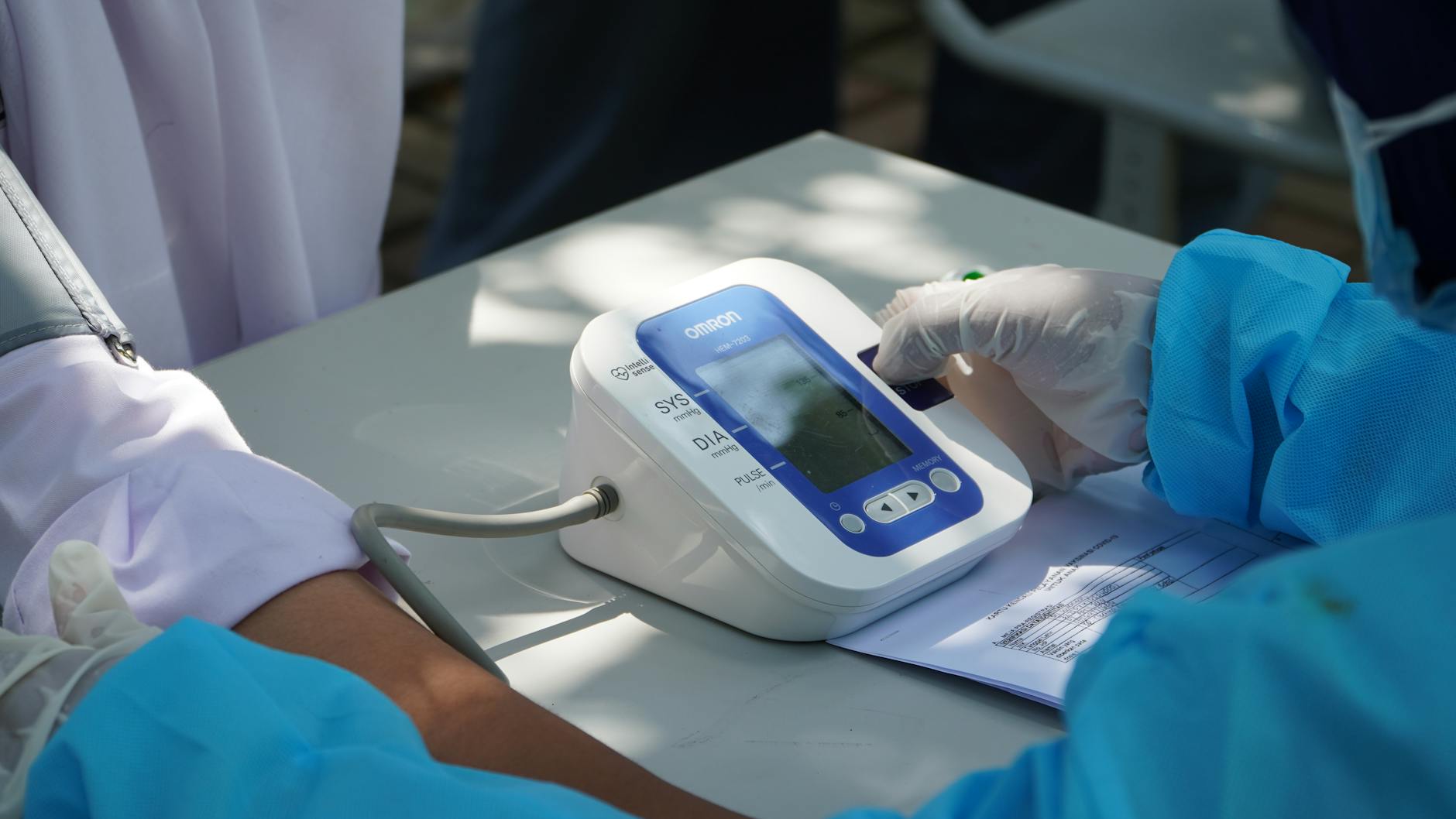
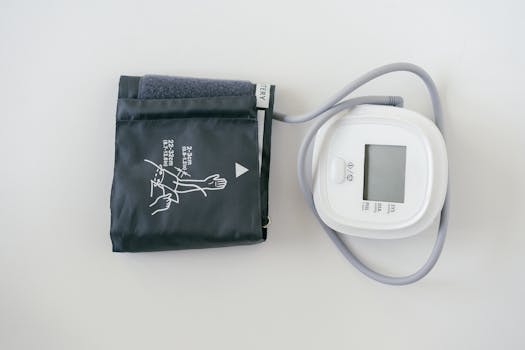 Photo: Mikhail Nilov / Pexels
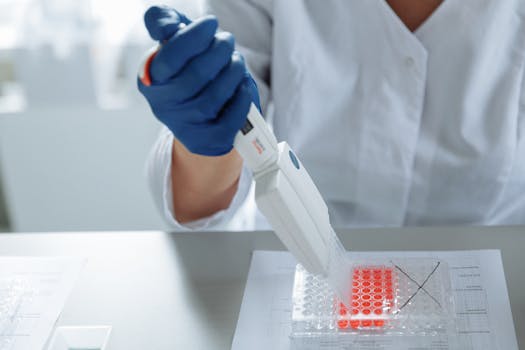 Photo: Thirdman / Pexels
 Photo: Tima Miroshnichenko / Pexels
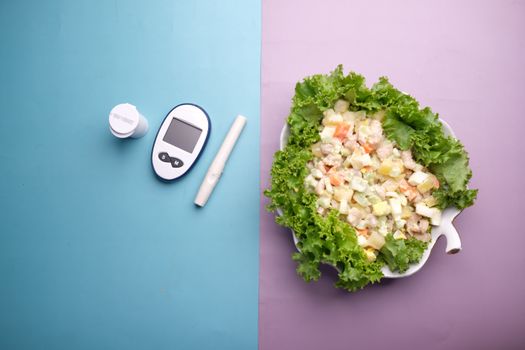 Photo: Towfiqu barbhuiya / Pexels