
What Causes Chronic Fatigue Syndrome? Unraveling the Mystery
what causes chronic fatigue syndrome

What Causes Chronic Fatigue Syndrome? Unraveling the Mystery

Delve into the intricate and often elusive origins of Chronic Fatigue Syndrome to gain clarity and understanding.

Understand CFS Causes

Key Takeaways

  • ✓ Chronic Fatigue Syndrome (CFS), also known as Myalgic Encephalomyelitis (ME/CFS), is a complex, multi-system illness.
  • ✓ No single cause has been definitively identified; it's believed to be triggered by a combination of factors.
  • ✓ Potential triggers include viral infections, immune dysfunction, genetic predisposition, and stress.
  • ✓ The illness is characterized by severe fatigue not relieved by rest, post-exertional malaise, and cognitive difficulties.

How It Works

1
Identify Potential Triggers

Many patients report an acute illness, often viral, preceding the onset of ME/CFS. Other triggers can include severe physical or emotional trauma.

2
Understand Immune System Dysregulation

Research points to persistent immune activation, inflammation, and altered cytokine profiles in individuals with ME/CFS. This dysregulation impacts multiple bodily systems.

3
Explore Metabolic and Energy Impairments

Patients often exhibit mitochondrial dysfunction, impaired energy production, and altered cellular metabolism. This explains the profound fatigue and post-exertional malaise.

4
Consider Neurological and Autonomic Changes

Brain imaging studies show differences in brain structure and function, alongside autonomic nervous system dysfunction. This contributes to symptoms like orthostatic intolerance and cognitive fog.

Unpacking the Viral Link: A Common Precursor to ME/CFS
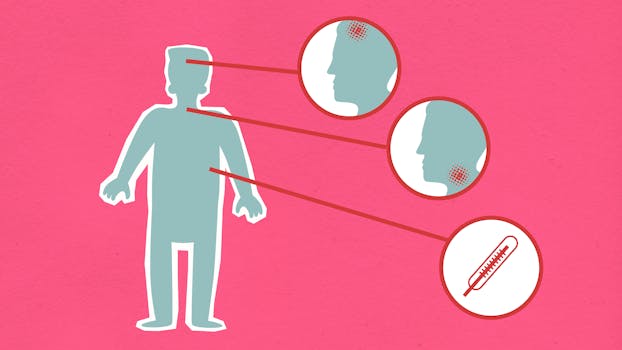
Cardboard appliques of person and round shaped illustrations with bacteria representing vulnerable areas of body during COVID 19 pandemic Photo: Monstera Production / Pexels
For many individuals, the onset of Chronic Fatigue Syndrome (CFS), also known as Myalgic Encephalomyelitis (ME/CFS), can be traced back to an acute, often severe, viral infection. This observation has led researchers to extensively investigate the role of various viruses as potential triggers. While no single virus has been definitively identified as *the* cause, several candidates frequently emerge in patient histories and scientific studies. Among the most commonly implicated are Epstein-Barr virus (EBV), which causes mononucleosis; human herpesvirus 6 (HHV-6); Ross River virus; and Coxsackievirus. More recently, the COVID-19 pandemic has brought a new wave of interest in post-viral syndromes, with many individuals developing long-COVID symptoms strikingly similar to ME/CFS, further strengthening the hypothesis of a viral etiology. The theory is not that the virus itself directly causes CFS in everyone it infects, but rather that in a susceptible individual, the acute infection can act as a profound stressor that disrupts the body's delicate balance, particularly the immune system. Instead of fully recovering, the immune response remains in a state of chronic activation or dysregulation, leading to a cascade of physiological changes. This persistent immune response, even in the absence of active viral replication, is believed to contribute to the ongoing inflammation and tissue damage observed in ME/CFS patients. Researchers are exploring how viral persistence, even at low levels, or the body's *response* to the virus, could lead to long-term immune and neurological changes. This can involve alterations in natural killer (NK) cell function, T-cell exhaustion, or the production of autoantibodies. Understanding this viral link is crucial for developing targeted antiviral or immunomodulatory therapies. It also highlights the importance of early intervention and careful management of acute viral illnesses, especially in individuals with predisposing factors. The complexity lies in why some people fully recover from these infections while others develop a chronic, debilitating illness. This suggests that the virus acts as a spark in a system already primed for dysfunction, rather than being the sole determinant. Further research is focusing on genetic predispositions and other co-factors that might explain this differential susceptibility, paving the way for more personalized treatment approaches. Learn more about the immune system's role in chronic illness.

Immune System Dysregulation: A Central Player in CFS Pathology

Paper cutout types of various contagious viruses and syringe with medical remedy for preventing spreading of disease on blue background Photo: Monstera Production / Pexels
Beyond the initial viral trigger, a hallmark of Chronic Fatigue Syndrome (CFS/ME) is persistent and profound immune system dysregulation. This isn't simply an overactive or underactive immune system, but rather one that appears to be perpetually stuck in an altered state, contributing significantly to the array of symptoms experienced by patients. Numerous studies have documented abnormalities in various components of the immune system in individuals with ME/CFS. For instance, natural killer (NK) cells, a crucial part of the innate immune response responsible for identifying and destroying virally infected cells and tumor cells, often exhibit reduced function in ME/CFS patients. This impaired NK cell activity could explain why some individuals struggle to clear viral infections effectively or why their immune system remains in a state of alert long after an acute infection. Furthermore, there's evidence of altered cytokine profiles. Cytokines are signaling molecules that regulate immunity, inflammation, and hematopoiesis. In ME/CFS, a pro-inflammatory cytokine imbalance is frequently observed, with some studies showing elevated levels of pro-inflammatory cytokines (like IL-1, IL-6, TNF-alpha) and/or reduced levels of anti-inflammatory cytokines. This chronic inflammatory state can have far-reaching effects on various organs and systems, including the brain, contributing to symptoms such as brain fog, pain, and fatigue. The concept of 'sterile inflammation' is also relevant here, where inflammation persists without an active infection, driven by ongoing immune responses to perceived threats or cellular damage. Autoimmunity is another area of active investigation. While ME/CFS is not typically classified as an autoimmune disease, growing research suggests the presence of autoantibodies in a subset of patients. These autoantibodies may target specific receptors in the nervous system or other tissues, potentially contributing to symptoms like orthostatic intolerance, cognitive dysfunction, and muscle pain. For example, autoantibodies against adrenergic receptors have been found in some patients, which could explain issues with blood pressure regulation and heart rate. The complexity of immune dysregulation in ME/CFS underscores the need for comprehensive immunological profiling in research and, eventually, in clinical practice. Understanding the specific immune pathways that are disrupted in individual patients could open doors to personalized immunomodulatory therapies, moving beyond symptomatic treatment to address the underlying disease mechanisms. This area of research holds immense promise for uncovering the fundamental biological processes that contribute to what causes chronic fatigue syndrome.

Metabolic and Energy Impairments: The Core of Fatigue in ME/CFS

Monochrome close-up of assorted blister packs with pills, highlighting pharmaceutical packaging. Photo: freestocks.org / Pexels
At the heart of the debilitating fatigue experienced in Chronic Fatigue Syndrome (CFS/ME) lies a complex web of metabolic and energy production impairments. Patients often describe a profound, unrefreshing fatigue that is not alleviated by rest and is significantly worsened by even minimal physical or mental exertion – a phenomenon known as post-exertional malaise (PEM). This cardinal symptom points directly to issues with how the body generates and utilizes energy. Research has revealed several key areas of dysfunction within cellular energy pathways. One prominent theory involves mitochondrial dysfunction. Mitochondria are the 'powerhouses' of our cells, responsible for producing adenosine triphosphate (ATP), the primary energy currency. In ME/CFS patients, studies have shown various abnormalities in mitochondrial structure and function, including reduced mitochondrial density, impaired enzyme activity within the electron transport chain, and altered mitochondrial morphology. These defects can lead to inefficient ATP production, meaning cells struggle to generate enough energy to meet the demands of daily life, let alone recovery from exertion. This inefficiency can manifest as severe fatigue, muscle weakness, and delayed recovery. Furthermore, there's evidence of a metabolic shift in ME/CFS. Healthy individuals primarily use aerobic metabolism (oxygen-dependent) for sustained energy production. However, in ME/CFS, there appears to be a greater reliance on anaerobic metabolism (without oxygen), even during mild activity. This leads to an earlier and more pronounced accumulation of lactic acid, contributing to muscle pain and fatigue. This metabolic inflexibility suggests that the body is less efficient at switching between fuel sources and struggles to sustain aerobic respiration. Impairments in glucose metabolism and fatty acid oxidation have also been observed, further complicating the energy landscape. The body's ability to transport glucose into cells or utilize fats for fuel may be compromised, exacerbating the energy deficit. The concept of a 'metabolic trap' or 'hypometabolic state' has been proposed, suggesting that cells enter a protective, low-energy state, similar to hibernation, in response to chronic stress or inflammation. This state, while potentially protective in the short term, can lead to long-term systemic dysfunction. Understanding these metabolic and energy impairments is critical, as it offers concrete targets for therapeutic interventions aimed at improving mitochondrial function, optimizing metabolic pathways, and enhancing overall energy production. Explore treatments for chronic fatigue syndrome symptoms.

Neurological and Autonomic Dysfunctions: Impacting Brain and Body Control
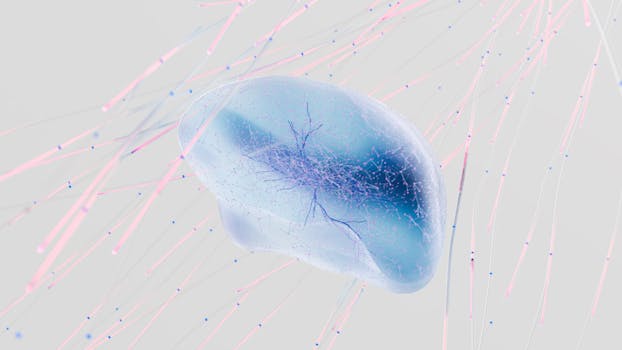
A 3D rendering of a neural network with abstract neuron connections in soft colors. Photo: Google DeepMind / Pexels
The profound impact of Chronic Fatigue Syndrome (CFS/ME) on cognitive function and autonomic nervous system regulation is another critical piece in understanding what causes chronic fatigue syndrome. Patients frequently report 'brain fog,' characterized by difficulties with concentration, memory, information processing, and executive function. These cognitive impairments are not merely a consequence of fatigue but appear to stem from tangible neurological changes. Brain imaging studies, such as fMRI and PET scans, have revealed differences in brain structure and function in individuals with ME/CFS compared to healthy controls. These differences include reduced gray matter volume in certain brain regions, altered white matter integrity, and abnormal connectivity between different brain areas. Specifically, regions involved in attention, working memory, and emotional regulation often show atypical activation patterns. This can contribute directly to the cognitive deficits and the often-reported emotional lability or heightened sensory sensitivities. Beyond cognitive issues, a significant component of ME/CFS involves autonomic nervous system (ANS) dysfunction. The ANS controls involuntary bodily functions like heart rate, blood pressure, digestion, and temperature regulation. In ME/CFS, there is often dysregulation of the ANS, leading to conditions like Postural Orthostatic Tachycardia Syndrome (POTS), where heart rate dramatically increases upon standing, causing dizziness, lightheadedness, and profound fatigue. Other manifestations of ANS dysfunction include orthostatic intolerance (difficulty maintaining an upright posture), temperature dysregulation (feeling too hot or too cold), irritable bowel syndrome (IBS)-like symptoms, and sleep disturbances. The vagus nerve, a major component of the ANS, is also under scrutiny. Its role in regulating inflammation and connecting the brain with the gut and other organs suggests that vagal nerve dysfunction could contribute to many ME/CFS symptoms. This intricate interplay between the brain, immune system, and autonomic nervous system highlights the multi-system nature of the illness. Understanding these neurological and autonomic dysfunctions is vital for developing strategies to manage symptoms like brain fog, orthostatic intolerance, and sleep disturbances, which significantly impact a patient's quality of life. Current research aims to pinpoint the exact mechanisms of these dysfunctions, paving the way for targeted neuromodulatory and autonomic-focused therapies.

Comparison

FactorStrong Evidence for ME/CFS LinkPotential Contributor, Less DirectUnlikely Primary Cause
Viral Infection (e.g., EBV, COVID-19)
Immune System Dysregulation
Mitochondrial Dysfunction
Genetic Predisposition
Psychological Stress/TraumaValueValue
Nutritional DeficienciesValueValue
Bacterial Infections (e.g., Lyme)ValueValue
Sleep Deprivation (standalone)Value

What Readers Say

"This article finally shed light on what causes chronic fatigue syndrome for me. Understanding the viral triggers and immune dysfunction has validated my experience and given me hope for focused treatment."

Sarah J. · Austin, TX

"The detailed explanation of metabolic impairments really resonated with my constant energy struggles. It's empowering to know there's a biological basis for my extreme fatigue."

Mark D. · Chicago, IL

"As a physician, I found this an exceptionally well-researched and comprehensive overview of what causes chronic fatigue syndrome. It's a valuable resource for both patients and clinicians navigating this complex illness."

Dr. Emily R. · New York, NY

"While no single cause is definitive, this article does an excellent job of outlining the leading theories. It's a challenging illness, and this information helps make sense of the myriad symptoms."

David L. · Denver, CO

"Knowing that my brain fog and autonomic issues might be linked to neurological dysfunctions provides a clearer path for discussion with my specialists. This is truly helpful information."

Jessica T. · Seattle, WA

Frequently Asked Questions

What is the most widely accepted theory for what causes Chronic Fatigue Syndrome?

While no single cause is definitively accepted, the prevailing theory suggests that ME/CFS is triggered by a combination of factors, often beginning with an acute infection (viral or bacterial) in a genetically predisposed individual, leading to persistent immune dysfunction, metabolic impairments, and neurological changes.

Is Chronic Fatigue Syndrome considered a psychological illness?

No, ME/CFS is recognized as a complex, chronic, multi-system biological illness by major health organizations. While psychological factors can influence symptoms, they are not considered the primary cause of the disease.

How can I get tested to find out what causes my chronic fatigue?

Currently, there is no single diagnostic test for ME/CFS. Diagnosis is clinical, based on specific symptom criteria and ruling out other conditions. Your doctor will conduct a thorough medical history, physical exam, and various blood tests to exclude other illnesses.

What is the cost of diagnosing or treating the underlying causes of ME/CFS?

The costs can vary significantly. Diagnosis involves multiple doctor visits and tests to rule out other conditions, which can be covered by insurance. Treatment often involves managing symptoms and can include medications, physical therapy, and lifestyle adjustments, with costs depending on insurance and chosen therapies.

How does ME/CFS differ from just feeling tired all the time?

ME/CFS is far more severe than normal tiredness. It involves debilitating fatigue not relieved by rest, post-exertional malaise (symptom worsening after exertion), unrefreshing sleep, cognitive difficulties ('brain fog'), and other symptoms like pain and orthostatic intolerance, significantly impacting daily function.

Who is most susceptible to developing Chronic Fatigue Syndrome?

ME/CFS can affect anyone, but it is most common in women aged 40-60. However, it can also affect men, adolescents, and children. Genetic predisposition and a history of certain viral infections are thought to increase susceptibility.

Are there any risks associated with trying to find the cause of ME/CFS?

The main 'risk' is the emotional and financial toll of extensive diagnostic workups that may not yield a clear single cause. It's important to work with knowledgeable healthcare providers who understand ME/CFS to avoid unnecessary or potentially harmful interventions.

What future research avenues are most promising for identifying the causes?

Promising research areas include deeper investigations into neuroinflammation, gut microbiome dysbiosis, viral persistence, mitochondrial dysfunction, and genetic markers. Advances in 'omics' technologies (genomics, proteomics, metabolomics) are expected to reveal more specific biomarkers and causal pathways.

Understanding what causes Chronic Fatigue Syndrome is the first step towards finding effective management and potential treatments. Continue to educate yourself, advocate for your health, and seek knowledgeable medical support to navigate this complex condition.

Topics: what causes chronic fatigue syndromeME/CFS triggerschronic fatigue syndrome causesmyalgic encephalomyelitis etiologyCFS risk factors
Leo List

IE Escorts NO Escorts US Escorts NZ Escorts AU Escorts
Brampton weed
Adultwork EstrelaBet Vai de Bet R7 Bet Betão Galera Bet Rainbet Bet9ja Shop SportyBet BetKing Sisal Loto Foot Hollywoodbets YesPlay Odibets RushBet Jugabet BetWarrior BetCity MSport betPawa Fortebet