Unlock Relief: Telehealth Services for Chronic Pain Management
telehealth services for chronic pain management

Unlock Relief: Telehealth Services for Chronic Pain Management

Access expert chronic pain care from the comfort and convenience of your home, transforming your journey to lasting relief.

Start Your Virtual Care

Key Takeaways

  • ✓ Chronic pain affects over 50 million adults in the US.
  • ✓ Telehealth offers reduced travel time and increased access to specialists.
  • ✓ Virtual care can include medication management, physical therapy, and psychological support.
  • ✓ Many insurance plans now cover telehealth services for chronic pain.

How It Works

1
Initial Virtual Consultation

Connect with a pain specialist via secure video call. Discuss your pain history, symptoms, and treatment goals from anywhere.

2
Personalized Treatment Plan

Receive a tailored plan that may include medication adjustments, virtual physical therapy exercises, and behavioral health strategies. Your plan is designed for your unique needs.

3
Ongoing Monitoring & Support

Participate in regular follow-up appointments to track progress and make necessary adjustments. Access resources and support to help you manage your condition effectively.

4
Integrated Care Coordination

Your telehealth team can coordinate with your local primary care physician and other specialists. This ensures a comprehensive and cohesive approach to your pain management.

Understanding Chronic Pain: The Need for Accessible Solutions

Man with neck pain holding his neck in discomfort, conveying tension or stress. Photo: Kindel Media / Pexels
Chronic pain is a pervasive and debilitating condition affecting millions of Americans, significantly impacting their quality of life, mental health, and ability to perform daily activities. Defined as pain lasting longer than three to six months, or beyond the typical healing period for an injury, it is not merely a symptom but a complex health condition in its own right. The causes are varied, ranging from underlying diseases like arthritis, fibromyalgia, and neuropathy, to past injuries, nerve damage, and even psychological factors. Living with chronic pain can lead to a cascade of negative effects, including sleep disturbances, anxiety, depression, reduced mobility, and social isolation. The traditional model of chronic pain management often involves frequent visits to clinics, specialists, and physical therapy centers, which can present significant logistical and financial challenges for patients. Travel time, parking, taking time off work, and arranging childcare are just some of the hurdles that can make consistent care difficult to maintain. For individuals living in rural areas or those with mobility issues, access to specialized pain management clinics can be severely limited. Furthermore, the stigma associated with chronic pain, particularly when its causes are not immediately visible or easily diagnosed, can lead to feelings of frustration and isolation. Patients may feel unheard or misunderstood, making it challenging to advocate for their needs within the conventional healthcare system. The inherent complexity of chronic pain often requires a multidisciplinary approach, combining pharmacological treatments, physical therapy, psychological interventions, and lifestyle modifications. Coordinating these various aspects of care across different providers and locations can be an overwhelming task for patients already struggling with their condition. This is where the transformative potential of telehealth services for chronic pain management becomes profoundly evident. By leveraging digital technology, telehealth bridges geographical gaps and logistical barriers, bringing expert care directly to the patient's home. It offers a paradigm shift in how chronic pain is addressed, emphasizing convenience, continuity, and patient-centered care. The ability to consult with specialists, participate in therapy sessions, and receive medication management guidance without the need for in-person visits can drastically improve adherence to treatment plans and overall patient outcomes. This accessibility is not just about convenience; it's about empowering patients to take a more active role in their pain management journey, reducing the burden of travel and increasing the likelihood of consistent engagement with their care team. It ensures that critical support and expertise are available when and where they are most needed, fostering a sense of control and reducing the psychological toll of living with persistent pain. Understanding these challenges underscores the critical importance of innovative, accessible solutions like telehealth in revolutionizing chronic pain care in the modern era. Learn more about chronic pain conditions.

How Telehealth Transforms Chronic Pain Management
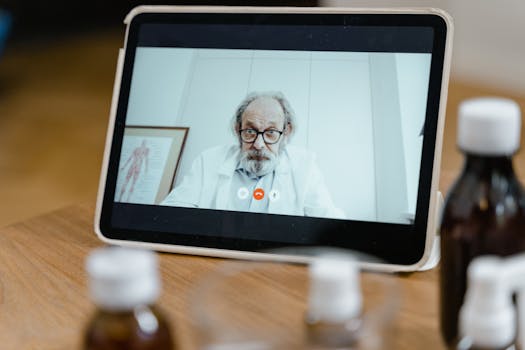
Elderly male doctor in white coat on a digital tablet screen during a virtual medical consultation. Photo: Tima Miroshnichenko / Pexels
The advent of telehealth has fundamentally reshaped the landscape of chronic pain management, offering a multitude of benefits that address the shortcomings of traditional care models. At its core, telehealth provides unparalleled accessibility. Patients, regardless of their geographical location or physical limitations, can connect with pain specialists, physical therapists, and mental health professionals through secure video conferencing platforms. This eliminates the need for arduous travel, reducing both the financial burden and the physical discomfort often associated with clinic visits for individuals in pain. Imagine a patient in a remote rural area gaining access to a leading pain specialist in a major city, or an individual with severe mobility issues receiving regular physical therapy sessions without leaving their home. This level of access was previously unimaginable for many. Beyond mere access, telehealth fosters greater continuity of care. Regular follow-up appointments, crucial for monitoring progress, adjusting medications, and refining treatment strategies, become much easier to schedule and attend. This consistent engagement can lead to better adherence to treatment plans and more effective long-term outcomes. When patients can easily connect with their care team, they are more likely to report changes in their condition, ask questions, and receive timely advice, preventing minor issues from escalating. Furthermore, telehealth services for chronic pain management facilitate a truly multidisciplinary approach. Chronic pain often requires a combination of medical interventions, physical rehabilitation, and psychological support. Through telehealth, patients can seamlessly access consultations with various specialists—pain physicians, physical therapists, occupational therapists, psychologists, and nutritionists—all from a single virtual platform. This integrated care model ensures that all aspects of a patient's pain experience are addressed holistically, rather than in siloed appointments across different locations. For instance, a patient might have a virtual session with a physical therapist to learn new exercises, followed by a session with a psychologist focusing on pain coping strategies, all within the same day without any travel. The psychological component of chronic pain is particularly well-suited for telehealth. Therapy sessions, such as Cognitive Behavioral Therapy (CBT) or Acceptance and Commitment Therapy (ACT), which are highly effective in managing the emotional and psychological impact of pain, can be conducted privately and comfortably from the patient's home. This can reduce the stigma sometimes associated with seeking mental health support in person, encouraging more patients to engage with these vital services. Moreover, telehealth platforms often incorporate digital tools for self-management, such as pain tracking apps, educational resources, and guided meditation exercises. These tools empower patients to actively participate in their own care, providing them with the knowledge and skills to manage their pain between appointments. The ability to track pain levels, medication intake, and activity patterns can also provide valuable data for healthcare providers, allowing for more informed and personalized treatment adjustments. In essence, telehealth transforms chronic pain management from a reactive, clinic-centric model into a proactive, patient-centric ecosystem, prioritizing convenience, comprehensive care, and sustained well-being.

Comprehensive Care Components Available Through Telehealth

A female doctor using a laptop for an online consultation, wearing a headset in a bright office. Photo: https://kaboompics.com/ / Pexels
One of the most compelling advantages of telehealth in the realm of chronic pain management is its capacity to deliver a wide array of comprehensive care components, mirroring and often enhancing the services traditionally found in brick-and-mortar clinics. This integrated approach ensures that patients receive holistic support addressing the multifaceted nature of their pain. Medication management is a cornerstone of chronic pain treatment, and telehealth allows for secure and effective virtual consultations with pain physicians. During these sessions, doctors can review current prescriptions, assess their efficacy and side effects, and make necessary adjustments. This includes discussing potential interactions, monitoring for misuse, and guiding patients through titration or tapering processes. For certain medications, remote monitoring of patient vitals or symptoms can be integrated, ensuring safety and compliance. The convenience of these virtual appointments means patients are more likely to adhere to their medication schedules and communicate concerns promptly, leading to better pain control and reduced risks. Physical therapy and occupational therapy are critical for improving mobility, strength, and function, and telehealth has proven remarkably adaptable for these disciplines. Therapists can conduct live, interactive video sessions, guiding patients through exercises, assessing their form, and providing immediate feedback. Patients can demonstrate their movements in their home environment, allowing therapists to offer tailored advice that is relevant to their daily activities and living space. This also empowers patients to consistently perform exercises without the logistical hurdles of clinic visits, accelerating their rehabilitation progress. Many platforms offer libraries of instructional videos and personalized exercise plans, further supporting patient engagement between virtual sessions. Behavioral health support is indispensable for chronic pain, as psychological factors significantly influence pain perception and coping mechanisms. Telehealth provides an ideal platform for mental health professionals—psychologists, psychiatrists, and counselors—to deliver therapies such as Cognitive Behavioral Therapy (CBT), Acceptance and Commitment Therapy (ACT), and mindfulness-based stress reduction. These sessions help patients develop coping strategies, manage pain-related anxiety and depression, improve sleep, and enhance overall emotional well-being. The privacy and comfort of one's own home can make it easier for patients to open up and engage deeply in these therapeutic processes, breaking down barriers that might exist in traditional clinic settings. Furthermore, telehealth facilitates patient education and lifestyle modification coaching. Dietitians can offer virtual consultations to discuss anti-inflammatory diets and weight management strategies. Health coaches can guide patients on sleep hygiene, stress reduction techniques, and incorporating gentle movement into their routines. Educational modules on understanding chronic pain, pain neuroscience, and self-management techniques can be delivered through the platform, empowering patients with knowledge and tools to become active participants in their recovery journey. This comprehensive, interconnected web of services delivered virtually ensures that all dimensions of a patient's chronic pain are addressed, promoting a more effective and sustainable path to relief. Discover effective pain coping strategies.

Navigating Telehealth for Chronic Pain: Tips and Potential Pitfalls

Doctor in scrubs with stethoscope conducting online consultation using a laptop. Photo: https://kaboompics.com/ / Pexels
Embracing telehealth services for chronic pain management requires a thoughtful approach to maximize its benefits and avoid common pitfalls. Here are essential tips and considerations: * **Ensure a Stable Internet Connection and Privacy:** A reliable internet connection is paramount for uninterrupted virtual appointments. Additionally, choose a private, quiet space where you won't be disturbed during your sessions. This ensures confidentiality and allows you to focus fully on your consultation or therapy. * **Prepare for Your Appointments:** Just as with in-person visits, prepare a list of questions, notes on your pain levels (using a pain diary or app), any new symptoms, medication changes, and a summary of your activities since the last appointment. Being organized helps make the most of your limited time with the specialist. * **Understand Technology Requirements:** Familiarize yourself with the telehealth platform your provider uses. Test your camera, microphone, and speakers beforehand. Many platforms offer technical support or tutorials, so don't hesitate to use them if needed. Knowing how to use the technology reduces stress during your appointment. * **Verify Insurance Coverage:** Before starting, confirm with your insurance provider what telehealth services for chronic pain are covered and what your out-of-pocket expenses might be. Coverage can vary significantly, so understanding the financial aspect upfront is crucial. * **Communicate Clearly and Openly:** Since your provider cannot perform a physical examination in person, clear and detailed communication about your symptoms, pain characteristics, and functional limitations is even more vital. Don't shy away from describing your pain thoroughly. * **Beware of Unlicensed Providers:** While telehealth offers great convenience, ensure your chosen provider is licensed in your state and has specific expertise in chronic pain management. Check credentials and reviews to confirm legitimacy and quality of care. * **Don't Substitute for Emergency Care:** Telehealth is excellent for ongoing management but is not a substitute for emergency medical care. If you experience acute, severe pain or other urgent symptoms, seek immediate in-person medical attention. * **Be Mindful of Screen Fatigue:** Extended periods in front of screens can exacerbate certain types of pain or lead to eye strain. Schedule breaks between virtual sessions and practice good ergonomics. * **Engage Actively in Self-Management:** Telehealth empowers self-management. Actively participate in prescribed exercises, mindfulness practices, and lifestyle modifications discussed during your virtual sessions. Your commitment outside of appointments is key to success. By following these guidelines, patients can effectively navigate the world of telehealth for chronic pain management, harnessing its power to achieve better health outcomes and an improved quality of life.

Comparison

FeatureTelehealth Pain ManagementTraditional In-Person CareSelf-Management Apps Only
AccessibilityHigh (from anywhere)Moderate (clinic-dependent)High (always available)
Cost Savings (Travel/Time)SignificantLow to NoneVery High
Specialist AccessBroad national/regionalLimited by local availabilityNone
Integrated CareExcellent (multidisciplinary)Good (requires coordination)Poor (no professional oversight)
Personalized Treatment
Emergency Care
Continuity of CareHighModerate (appointment barriers)Variable (self-driven)
Privacy & ComfortHigh (home environment)Moderate (clinic setting)High (personal device)

What Readers Say

"Telehealth services for chronic pain management have been life-changing. I used to spend hours traveling to appointments, but now I get expert care from my living room. My pain levels have significantly decreased, and I feel so much more in control."

Sarah J. · Austin, TX

"As someone with severe back pain, leaving the house was a nightmare. Virtual physical therapy and medication management through telehealth have made consistent treatment possible. I'm finally seeing real progress without the added pain of travel."

Mark R. · Boise, ID

"My chronic migraines made it impossible to keep regular in-person appointments. With telehealth, I've consistently met with my pain specialist and a therapist, leading to a 50% reduction in migraine frequency. It's truly a game-changer for my quality of life."

Emily P. · Miami, FL

"While I appreciate the convenience of telehealth for my fibromyalgia, I sometimes miss the hands-on aspect of an in-person physical exam. However, the consistent access to my pain management team and behavioral therapist has been invaluable, and my overall pain has improved."

David L. · Chicago, IL

"Living in a remote area, I had very limited access to specialized pain care. Telehealth has opened up a world of possibilities, connecting me with top-tier doctors and therapists I would never have been able to see otherwise. My chronic nerve pain is finally being managed effectively."

Jessica M. · Rural, WV

Frequently Asked Questions

What types of chronic pain can be managed effectively through telehealth?

Telehealth can effectively manage a wide range of chronic pain conditions, including back pain, neck pain, neuropathic pain, fibromyalgia, arthritis, migraines, and complex regional pain syndrome. It's particularly beneficial for conditions requiring ongoing medication management, physical therapy guidance, and psychological support, where direct physical examination is not always the primary component of every visit.

Is telehealth for chronic pain management covered by insurance?

Yes, many insurance providers, including Medicare and Medicaid, now cover telehealth services for chronic pain management, especially since the COVID-19 pandemic. However, coverage can vary depending on your specific plan and state regulations. It's always best to contact your insurance provider directly to confirm your benefits and understand any potential out-of-pocket costs before starting treatment.

How do virtual physical therapy sessions work for chronic pain?

Virtual physical therapy sessions for chronic pain typically involve a live video call with a licensed physical therapist. The therapist will guide you through exercises, observe your form, and provide real-time feedback and adjustments, all from the comfort of your home. They may also provide personalized exercise programs, instructional videos, and tools to track your progress between sessions, ensuring consistent rehabilitation.

Are telehealth services for chronic pain management as effective as in-person care?

Numerous studies suggest that telehealth services for chronic pain management can be as effective as in-person care for many aspects, particularly for medication management, psychological therapies (like CBT), and guided physical therapy. The increased accessibility and convenience often lead to better patient adherence and continuity of care, which are crucial for long-term pain management success. However, for procedures requiring physical intervention, in-person visits remain necessary.

How does telehealth compare to simply using pain management apps?

Telehealth offers professional, personalized medical care from licensed providers, including diagnoses, prescribed treatments, and ongoing monitoring. Pain management apps, while helpful, are generally self-help tools that offer tracking, education, and guided exercises without direct professional oversight or individualized medical advice. Telehealth integrates the benefits of apps with the expertise of healthcare professionals, providing a comprehensive and safe approach.

Who should consider using telehealth services for chronic pain management?

Anyone experiencing chronic pain who seeks convenient, accessible, and comprehensive care should consider telehealth. It is particularly beneficial for individuals with mobility challenges, those living in rural areas with limited access to specialists, busy professionals, and patients who benefit from integrated multidisciplinary care, including psychological support, delivered from the comfort of their home.

What are the privacy and security measures for telehealth platforms?

Reputable telehealth platforms are designed with robust privacy and security measures to comply with HIPAA (Health Insurance Portability and Accountability Act) regulations. This includes end-to-end encryption for video calls, secure data storage, and strict access controls to protect your personal health information. Always ensure your provider uses a HIPAA-compliant platform for your virtual appointments.

What does the future hold for telehealth in chronic pain management?

The future of telehealth in chronic pain management is promising, with continuous advancements in remote monitoring technologies, AI-powered diagnostic tools, and virtual reality (VR) for pain distraction and therapy. We can expect even more personalized treatment plans, enhanced integration with wearable devices, and further expansion of multidisciplinary virtual care teams, making chronic pain management more accessible and effective than ever before.

Embrace the future of pain relief and take control of your chronic pain journey today. Explore how telehealth services for chronic pain management can offer you personalized, accessible, and effective care, bringing comfort and convenience directly to your home. Don't let pain dictate your life; find your path to lasting relief with virtual care.

Topics: telehealth services for chronic pain managementvirtual pain careremote pain therapydigital chronic pain solutionsonline pain relief
Leo List

IE Escorts NO Escorts US Escorts NZ Escorts AU Escorts
Brampton weed
Adultwork EstrelaBet Vai de Bet R7 Bet Betão Galera Bet Rainbet Bet9ja Shop SportyBet BetKing Sisal Loto Foot Hollywoodbets YesPlay Odibets RushBet Jugabet BetWarrior BetCity MSport betPawa Fortebet