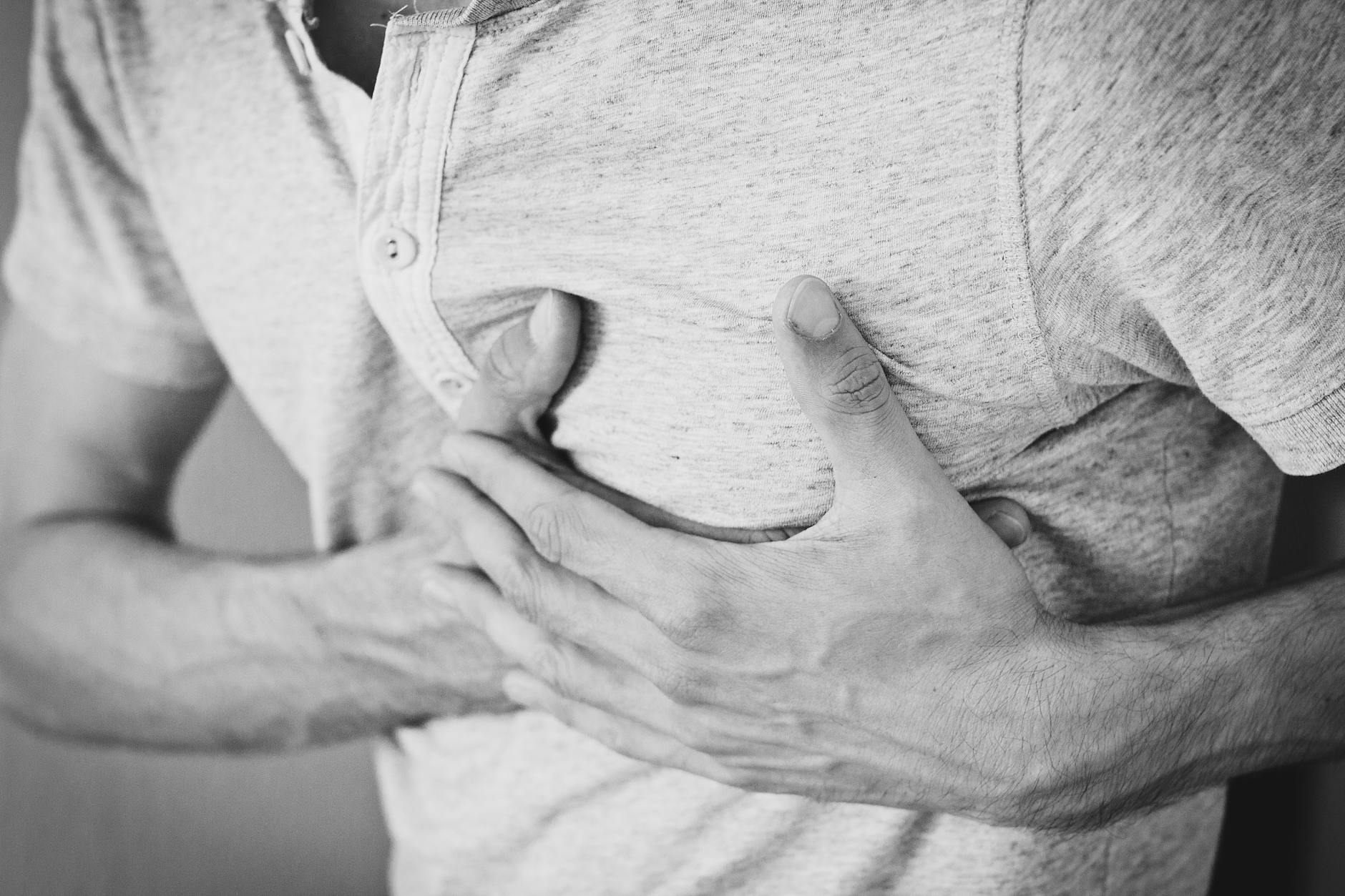
 Photo: freestocks.org / Pexels
Recognizing the Unique Symptoms of Heart Attack in Women
Empower yourself with knowledge to identify the critical, often overlooked signs of a heart attack in women and act fast.
Learn More & Act NowKey Takeaways
- ✓ Women often experience heart attack symptoms differently than men, making diagnosis challenging.
- ✓ Fatigue, shortness of breath, and nausea are common, often vague, symptoms in women.
- ✓ Delay in seeking treatment is more common in women due to atypical symptoms.
- ✓ Heart disease is the leading cause of death for women in the United States.
How It Works
Familiarize yourself with how heart attack symptoms in women can diverge from the classic 'Hollywood' chest pain. Awareness is your first line of defense.
Pay attention to persistent or unusual changes in your body, especially if they are new or worsen with exertion. Don't dismiss discomfort as 'just stress' or 'fatigue'.
If you suspect you or someone else is having a heart attack, even with subtle symptoms, call 911 immediately. Every minute counts in preventing heart damage.
Share this vital information with family and friends. They can be crucial in recognizing symptoms and acting quickly if you are unable to.
The Subtle Signals: Understanding Female Heart Attack Signs
 Photo: www.kaboompics.com / Pexels
Beyond the Chest: Atypical Pain and Discomfort in Women
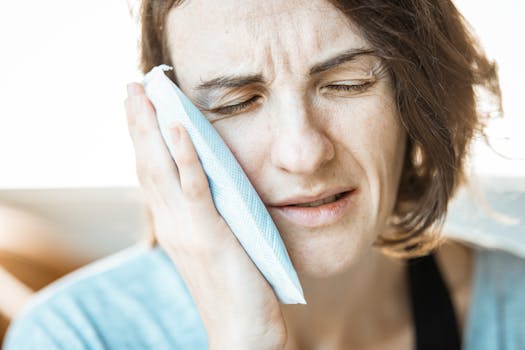 Photo: Engin Akyurt / Pexels
The Vague but Vital: Fatigue, Nausea, and Shortness of Breath
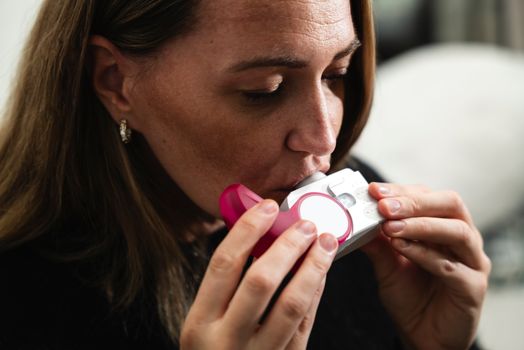 Photo: Cnordic Nordic / Pexels
Don't Ignore the Warning Signs: When to Seek Immediate Medical Help
 Photo: RDNE Stock project / Pexels
Comparison
| Symptom Category | Typical Male Presentation | Common Female Presentation | Risk of Misdiagnosis |
|---|---|---|---|
| Chest Pain | Crushing, severe, left-sided | Pressure, tightness, aching, diffuse | High for women with diffuse pain |
| Radiating Pain | Left arm, neck, jaw | Either arm, back, jaw, neck, abdomen | High for women with atypical radiation |
| Other Symptoms | Sweating, dizziness | Fatigue, shortness of breath, nausea, vomiting, lightheadedness | Very High for women due to vague symptoms |
| Onset | Sudden, intense | Gradual, intermittent, or sudden | High for women with gradual onset |
What Our Readers Say
"This article was a wake-up call for me. I've been experiencing unusual fatigue and occasional shortness of breath, dismissing them as stress. Now I know to take these symptoms seriously and will be discussing them with my doctor."
Sarah J. Austin, TX"I wish I had read this sooner. My mother had a heart attack with only severe indigestion and fatigue. We thought it was a stomach bug until it was almost too late. This information is vital for all women."
Maria P. Miami, FL"After reading about the subtle symptoms, I realized my constant, unexplained exhaustion and intermittent jaw pain could be serious. I saw my doctor, and it turned out to be a heart issue that we caught early. This literally saved me."
Jessica L. Denver, CO"Very informative, though I still worry about confusing these symptoms with everyday ailments. It's hard to know when to call 911 for just 'tiredness,' but the article stresses the importance of not delaying, which is a good reminder."
Emily R. Seattle, WA"As a nurse, I can attest to how often women's heart attack symptoms are overlooked. This article does an excellent job of detailing the differences and empowering women to advocate for themselves. A must-read for everyone."
Karen B. Chicago, ILFrequently Asked Questions
What are the most common symptoms of heart attack in women?
Why are heart attack symptoms different in women than in men?
If I only have fatigue and no chest pain, could it still be a heart attack?
How quickly should I seek help if I suspect a heart attack?
Are 'silent heart attacks' more common in women?
Who should be most concerned about symptoms of heart attack in women?
Can stress or anxiety mimic heart attack symptoms in women?
What is the long-term outlook after a heart attack for women?
Understanding the unique symptoms of heart attack in women is not just knowledge; it's power. Empower yourself and your loved ones to recognize these vital signs and act without hesitation. Your proactive awareness can be the difference between life and irreversible heart damage.