Understanding Symptoms of Anxiety Disorder Treatment Options
July 17, 2026 14 min read 2,864 words
Discover effective strategies to manage anxiety symptoms and embark on a path towards lasting well-being and peace.
Find Your Path to Calm
Identifying the Diverse Symptoms of Anxiety Disorders
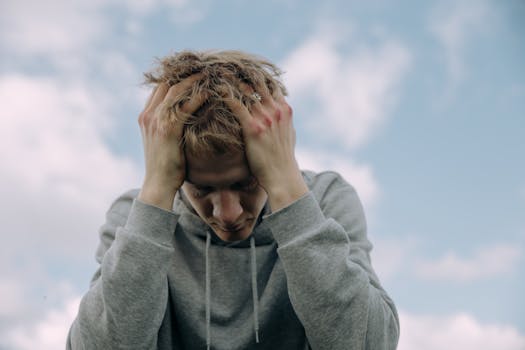 Photo: cottonbro studio / Pexels
Anxiety disorders are not simply about feeling stressed or worried; they encompass a broad spectrum of intense and persistent fear or worry that can significantly interfere with daily life. Understanding the various manifestations of anxiety is the first critical step toward seeking effective treatment. These symptoms can be broadly categorized into emotional, physical, cognitive, and behavioral signs, and they often overlap and vary in intensity from person to person and across different types of anxiety disorders.
Emotionally, individuals with anxiety disorders frequently experience persistent feelings of apprehension or dread. This isn't just fleeting worry but a pervasive sense of unease that can be difficult to shake. They might report feeling restless, on edge, or irritable. Panic attacks, characterized by sudden, intense surges of fear coupled with severe physical symptoms, are also a hallmark of some anxiety disorders, particularly panic disorder. These emotional states can lead to significant distress and a reduced capacity for enjoyment or relaxation.
Physical symptoms are often among the most alarming and uncomfortable aspects of anxiety. These can include a racing heart (palpitations), shortness of breath, chest pain, dizziness, sweating, trembling, and muscle tension. Gastrointestinal issues such as nausea, stomach aches, and diarrhea are also common. Many individuals initially seek medical attention for these physical symptoms, unaware that they are rooted in anxiety. The body's 'fight or flight' response is constantly activated, leading to chronic physical discomfort and exhaustion. Headaches, fatigue, and sleep disturbances like insomnia or restless sleep are further physiological indicators that the body is under constant stress.
Cognitively, anxiety manifests as a relentless stream of worrying thoughts. Individuals might find themselves constantly anticipating the worst-case scenario, overthinking situations, or having difficulty concentrating. They may experience racing thoughts, a sense of impending doom, or problems with memory due to the overwhelming mental burden. Decision-making can become paralyzing, as every choice is fraught with potential negative outcomes. This cognitive rumination often fuels the emotional and physical symptoms, creating a vicious cycle.
Behavioral symptoms typically involve avoidance. People with anxiety disorders might avoid social situations, specific places, or activities that trigger their fear or worry. This avoidance can become increasingly restrictive, leading to social isolation, difficulty maintaining employment, or even being housebound. Compulsive behaviors, such as excessive handwashing in obsessive-compulsive disorder (OCD), or repetitive checking, are also behavioral responses to anxiety, aimed at reducing distress or preventing perceived harm. These behaviors, while offering temporary relief, often reinforce the anxiety in the long run. Recognizing these diverse symptoms is vital for an accurate diagnosis and for paving the way to understanding the most appropriate
anxiety treatment options available. It's crucial to remember that these symptoms are not a sign of weakness but rather indicators of a treatable medical condition requiring professional help.
Exploring Effective Treatment Options for Anxiety Disorders
 Photo: Tima Miroshnichenko / Pexels
Once symptoms are recognized and a diagnosis is made, the next crucial step is to explore the array of effective treatment options available for anxiety disorders. The good news is that anxiety is highly treatable, and a combination of approaches often yields the best results. Treatment plans are typically individualized, taking into account the specific type of anxiety disorder, symptom severity, co-occurring conditions, and personal preferences.
Psychotherapy, particularly Cognitive Behavioral Therapy (CBT), stands as a cornerstone of anxiety treatment. CBT helps individuals identify and challenge negative thought patterns and behaviors that contribute to their anxiety. Through structured sessions, patients learn coping mechanisms, problem-solving skills, and techniques to gradually expose themselves to feared situations in a controlled manner (exposure therapy). This process helps to reframe anxious thoughts and reduce avoidance behaviors. Other therapeutic approaches like Acceptance and Commitment Therapy (ACT) and Dialectical Behavior Therapy (DBT) also offer valuable tools for managing anxiety by fostering mindfulness, emotional regulation, and distress tolerance. The effectiveness of CBT is well-documented across various anxiety disorders, making it a first-line recommendation for many.
Medication is another vital component of treatment for many individuals, especially when symptoms are severe or significantly impairing. Selective Serotonin Reuptake Inhibitors (SSRIs) and Serotonin-Norepinephrine Reuptake Inhibitors (SNRIs) are commonly prescribed antidepressants that can effectively reduce anxiety symptoms by modulating neurotransmitter levels in the brain. These medications are not habit-forming and are generally considered safe for long-term use. Benzodiazepines, while fast-acting in reducing acute anxiety, are typically prescribed for short-term use due to their potential for dependence and withdrawal symptoms. Other medications, such as buspirone or beta-blockers, may also be used depending on the specific symptoms and patient profile. It's essential to work closely with a psychiatrist or medical doctor to find the right medication and dosage, as well as to manage any potential side effects.
Lifestyle modifications play a significant role in supporting overall mental well-being and can complement professional treatments. Regular physical activity, such as aerobic exercise or yoga, has been shown to reduce anxiety symptoms by releasing endorphins and decreasing stress hormones. A balanced diet, rich in whole foods and limiting caffeine and sugar, can also positively impact mood and energy levels. Adequate sleep hygiene, including maintaining a consistent sleep schedule and creating a conducive sleep environment, is crucial, as sleep deprivation can exacerbate anxiety. Mindfulness and meditation practices can help individuals stay present, reduce rumination, and cultivate a sense of calm. Engaging in hobbies, spending time in nature, and fostering strong social connections are also powerful strategies for managing anxiety and improving quality of life. The journey to managing anxiety is multifaceted, often requiring patience and persistence, but the combination of these evidence-based strategies offers substantial hope for recovery and improved functioning.
Integrating Holistic Approaches and Self-Care for Anxiety Management
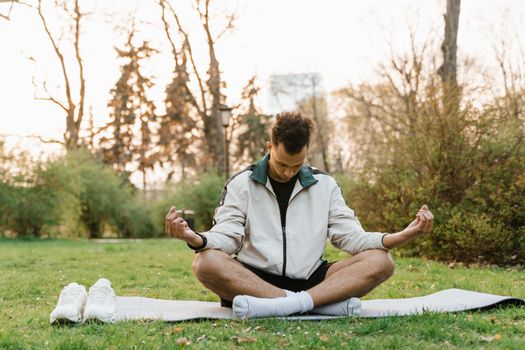 Photo: MART PRODUCTION / Pexels
Beyond traditional psychotherapy and medication, integrating holistic approaches and robust self-care practices can significantly enhance the effectiveness of anxiety disorder treatment options. These complementary strategies focus on nurturing the mind, body, and spirit, contributing to a more comprehensive and sustainable path to wellness. The goal is not just to alleviate symptoms but to build resilience and promote overall mental health, empowering individuals to proactively manage their anxiety in daily life. This integrated approach acknowledges that anxiety is influenced by a complex interplay of biological, psychological, and social factors.
Mindfulness and meditation are powerful tools that can help individuals cultivate a greater awareness of their thoughts and feelings without judgment, thereby reducing the intensity of anxious rumination. Practices like guided meditation, body scans, and mindful breathing exercises can train the brain to respond to stress more calmly. Regular engagement with these practices has been shown to alter brain structures associated with emotion regulation and stress response. These techniques provide a mental 'pause button,' allowing individuals to observe their anxiety rather than being consumed by it.
Learning mindfulness techniques can be a profound step towards managing internal distress.
Physical activity, as mentioned earlier, is a potent anxiety reducer. It's not just about 'burning off' energy; exercise releases neurotransmitters like serotonin and norepinephrine, which have mood-boosting effects, and also helps regulate the body's stress response system. Activities ranging from brisk walking and jogging to swimming and cycling can be beneficial. Incorporating strength training and flexibility exercises like yoga or Pilates can also improve body awareness, reduce muscle tension, and promote relaxation. The key is to find activities that are enjoyable and sustainable, making them a regular part of one's routine.
Nutrition plays a more significant role in mental health than often recognized. A diet rich in whole foods, lean proteins, healthy fats (like omega-3 fatty acids found in fish), and complex carbohydrates can stabilize blood sugar, provide essential nutrients for brain function, and reduce inflammation, all of which can impact mood and anxiety levels. Conversely, excessive consumption of processed foods, high sugar, and caffeine can exacerbate anxiety symptoms. Hydration is also crucial; even mild dehydration can affect mood and cognitive function. Consulting with a nutritionist or dietitian can help tailor a dietary plan that supports mental well-being.
Sleep is foundational to mental health. Chronic sleep deprivation can significantly worsen anxiety symptoms and impair cognitive function. Establishing a consistent sleep schedule, creating a relaxing bedtime routine, ensuring a dark and quiet sleep environment, and avoiding screens before bed are all critical components of good sleep hygiene. Addressing underlying sleep disorders, such as insomnia or sleep apnea, is also essential for effective anxiety management. Prioritizing quality sleep is a non-negotiable aspect of any comprehensive anxiety treatment plan.
Finally, fostering strong social connections and engaging in meaningful activities are vital for combating the isolation that anxiety can impose. Spending time with supportive friends and family, volunteering, joining clubs, or pursuing hobbies can provide a sense of belonging, purpose, and distraction from anxious thoughts. Building a robust support system acts as a buffer against stress and provides an outlet for sharing experiences and feelings. These holistic and self-care strategies, when integrated with professional guidance, form a powerful alliance in the journey toward overcoming anxiety disorders and achieving a balanced, fulfilling life.
Common Pitfalls and Best Practices in Anxiety Treatment
 Photo: Tima Miroshnichenko / Pexels
Navigating the landscape of anxiety disorder treatment options can be complex, and being aware of common pitfalls can help individuals and their healthcare providers optimize the path to recovery. Similarly, understanding best practices ensures that treatment is effective, sustainable, and tailored to individual needs.
**Common Pitfalls:**
* **Self-diagnosis and self-treatment:** Relying solely on internet research or anecdotal advice without professional consultation can lead to misdiagnosis or ineffective strategies, delaying proper care.
* **Stopping medication prematurely:** Many individuals discontinue medication as soon as they feel better, often leading to a relapse of symptoms. Medications often require a consistent period to achieve full therapeutic effect and should only be tapered under medical supervision.
* **Avoiding therapy homework:** Psychotherapy, especially CBT, involves 'homework' assignments (e.g., practicing coping skills, exposure exercises). Skipping these can significantly reduce treatment effectiveness.
* **Ignoring lifestyle factors:** Neglecting sleep, diet, exercise, and social connection while only focusing on medication or therapy can undermine overall progress and make symptoms more difficult to manage.
* **Expecting instant results:** Anxiety treatment is a process that requires patience and persistence. Expecting immediate and complete relief can lead to discouragement and disengagement from treatment.
* **Lack of a comprehensive plan:** Focusing on only one aspect of treatment (e.g., just medication or just relaxation techniques) without addressing other contributing factors often yields limited or temporary results.
**Best Practices:**
* **Seek professional help early:** The sooner anxiety is diagnosed and treated, the better the long-term outcomes. Don't wait until symptoms become debilitating.
* **Engage in a collaborative treatment plan:** Work closely with your mental health professional to develop a personalized plan that includes psychotherapy, potential medication, and lifestyle adjustments. Be an active participant in your care.
* **Consistency is key:** Adhere to your medication schedule, attend therapy sessions regularly, and consistently practice coping strategies and self-care techniques.
* **Build a strong support system:** Lean on trusted friends, family, or support groups. Sharing your experiences can reduce feelings of isolation and provide encouragement.
* **Practice self-compassion:** Recovery is not linear. There will be good days and bad days. Be kind to yourself during setbacks and recognize that progress is still being made.
* **Continuously monitor and adjust:** Regularly check in with your healthcare provider to assess the effectiveness of your treatment plan and make necessary adjustments. Symptoms and needs can change over time.
* **Educate yourself:** Learning about your specific anxiety disorder and treatment options can empower you and reduce feelings of helplessness.
* **Incorporate mindfulness and relaxation techniques:** These practices can be integrated into daily life to manage acute anxiety and build long-term resilience.
By understanding these common pitfalls and embracing best practices, individuals can maximize their chances of successful treatment and achieve lasting relief from the symptoms of anxiety disorders.
