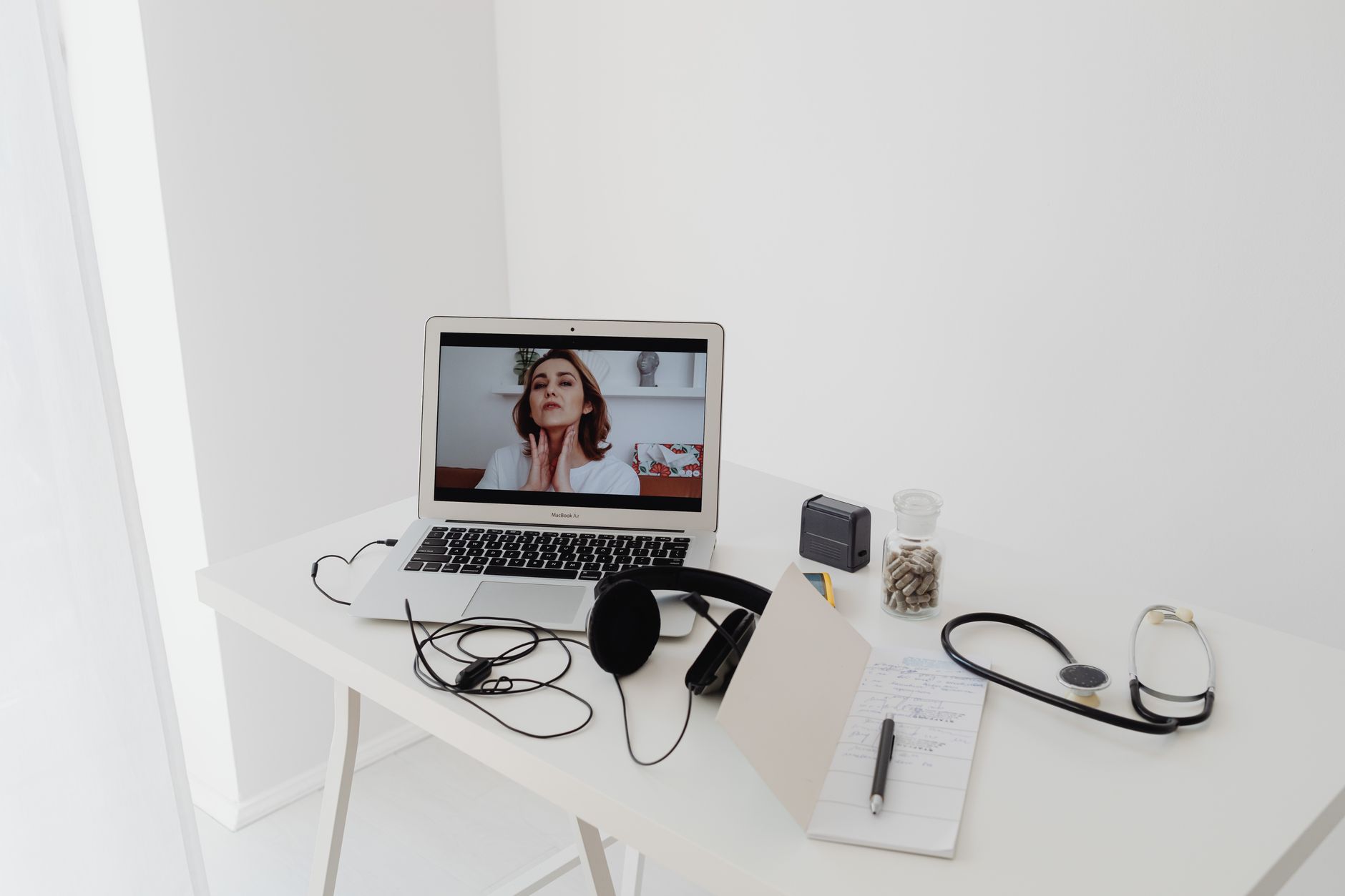
Find Relief: Online Therapy Services for Anxiety
online therapy services for anxiety

Find Relief: Online Therapy Services for Anxiety

Access expert mental health support from anywhere, offering convenience and effective strategies for managing anxiety.

Start Your Journey

Key Takeaways

  • ✓ Online therapy for anxiety is as effective as in-person therapy for many individuals.
  • ✓ Accessibility is a major benefit, removing geographical and logistical barriers.
  • ✓ Privacy and comfort of your own space enhance the therapeutic process.
  • ✓ A wide range of therapeutic approaches are available virtually, including CBT and DBT.

How It Works

1
Choose a Platform and Therapist

Research reputable online therapy platforms and browse therapist profiles. Look for licensed professionals specializing in anxiety disorders and whose approach resonates with you.

2
Initial Consultation and Assessment

Schedule your first session, often involving an intake form and a preliminary discussion with your chosen therapist. This helps them understand your specific anxiety symptoms and goals.

3
Engage in Regular Sessions

Participate in scheduled video, phone, or chat sessions with your therapist. You'll work together on identifying triggers, developing coping mechanisms, and processing underlying issues.

4
Practice and Progress

Apply the strategies and insights gained from therapy in your daily life. Consistent engagement and practice outside of sessions are crucial for long-term anxiety management and progress.

Understanding the Rise of Online Therapy for Anxiety Management
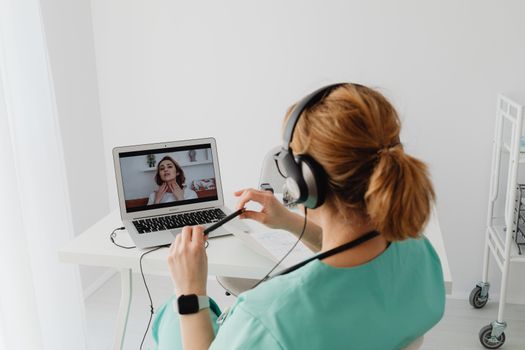
A doctor conducting an online consultation with a patient via laptop in a modern office setting. Photo: https://kaboompics.com/ / Pexels
The landscape of mental health care has undergone a significant transformation in recent years, with online therapy emerging as a powerful and increasingly popular option, particularly for individuals grappling with anxiety. Historically, seeking therapy often involved navigating logistical hurdles like travel time, finding childcare, or fitting appointments into a rigid work schedule. For many, these barriers, combined with the lingering stigma surrounding mental health, made accessing necessary support feel insurmountable. Online therapy services for anxiety have effectively dismantled many of these obstacles, offering a pathway to healing that is both convenient and discreet. This shift is not merely a matter of convenience; it represents a fundamental change in how mental health support can be delivered, making it more accessible to a broader demographic across the United States. Anxiety disorders are among the most common mental health conditions, affecting millions of Americans. From generalized anxiety disorder (GAD) to panic disorder, social anxiety, and phobias, the symptoms can be debilitating, impacting daily life, relationships, and overall well-being. Effective treatment, often involving psychotherapy, can significantly reduce symptoms and improve quality of life. The challenge has always been connecting those in need with qualified professionals. Online platforms bridge this gap by providing a virtual space where individuals can connect with licensed therapists, psychologists, and psychiatrists from the comfort and privacy of their own homes. This eliminates the stress of commuting to an office, the anxiety of being seen entering a mental health clinic, and the limitations imposed by geographical location. Whether you live in a rural area with limited mental health resources or a bustling city where finding an appointment can be tough, online therapy offers a viable solution. Moreover, the nature of anxiety itself can make in-person appointments particularly challenging. For someone with severe social anxiety, the thought of leaving the house and interacting with new people in a clinical setting can exacerbate their symptoms. Online therapy provides a less intimidating environment, allowing individuals to engage with a therapist in a space where they feel safe and in control. This can be a critical factor in encouraging initial engagement and fostering a stronger therapeutic alliance. Platforms offering online therapy services for anxiety often provide a wide selection of therapists, allowing individuals to find a professional whose approach, background, and specialization align perfectly with their unique needs and preferences. This personalization is a cornerstone of effective mental health treatment, ensuring that the therapeutic journey is tailored to the individual, leading to more positive outcomes. The flexibility of scheduling, often including evening and weekend appointments, further enhances accessibility, making it easier for people to integrate therapy into their busy lives without sacrificing other commitments. The efficacy of these services has been well-documented, with numerous studies indicating that online cognitive behavioral therapy (CBT) and other modalities are just as effective as traditional in-person sessions for treating a range of anxiety disorders. Understanding the different types of anxiety disorders can help you identify which therapeutic approach might be best for you in an online setting. This growing body of evidence provides reassurance and legitimacy to the online therapy model, solidifying its place as a cornerstone of modern mental healthcare.

Benefits and Efficacy of Virtual Anxiety Treatment
Close-up of hands using a health device at a desk with electronic gadgets and a cup. Photo: Gustavo Fring / Pexels
The transition to virtual care for anxiety treatment isn't just about overcoming logistical hurdles; it offers a myriad of distinct benefits that contribute to its efficacy and growing popularity. One of the primary advantages is the unparalleled convenience. Imagine attending a therapy session during your lunch break, or after the kids are asleep, without needing to factor in travel time or parking. This flexibility significantly reduces the burden on individuals, making consistent engagement with therapy much more achievable. For many, the ability to receive professional help without disrupting their daily routine is a game-changer, fostering greater adherence to treatment plans and ultimately leading to better outcomes. The comfort and familiarity of one's own home also play a crucial role. Being in a personal, safe space can help reduce initial nervousness or apprehension often associated with therapy, allowing individuals to open up more freely and engage more deeply with their therapist. This can be especially beneficial for those whose anxiety manifests in social settings or public spaces. Privacy and discretion are another significant draw of online therapy services for anxiety. Despite advancements, stigma around mental health still exists. Online therapy allows individuals to seek help discreetly, without the worry of being seen at a therapist's office or having to explain their whereabouts. Sessions can be conducted from any private location, ensuring that one's mental health journey remains a personal matter. This enhanced privacy can empower individuals to take the first step towards treatment, which is often the hardest. Furthermore, geographical barriers are completely removed. If you live in a remote area with limited access to specialists, or if you've moved and want to continue with a trusted therapist from a previous location, online platforms make this possible. This expands the pool of available therapists, allowing individuals to find the perfect match for their specific needs, regardless of location. This broader selection can lead to a more personalized and effective therapeutic experience. Regarding efficacy, numerous studies and meta-analyses have consistently demonstrated that online therapy, particularly cognitive behavioral therapy (CBT) delivered virtually, is as effective as in-person therapy for treating various anxiety disorders. CBT is a highly effective, evidence-based approach that helps individuals identify and challenge unhelpful thought patterns and behaviors contributing to anxiety. Online platforms can deliver CBT effectively through video calls, structured exercises, and digital resources. The consistent application of these techniques, often supported by between-session messaging with therapists, reinforces learning and skill development. Patients often report significant reductions in anxiety symptoms, improved coping mechanisms, and an overall enhancement in their quality of life. The structured nature of many online therapy programs, combined with the ability to easily track progress and access supplementary materials, contributes to these positive results. The future of mental healthcare is undeniably intertwined with technology, and online therapy represents a robust, effective, and accessible solution for anxiety management, empowering individuals to reclaim control over their mental well-being and live fuller, more productive lives.

Choosing the Right Online Platform and Therapist for Your Needs

Therapist guiding a woman in a stretching exercise indoors, focusing on physical therapy. Photo: Yan Krukau / Pexels
Navigating the myriad of online therapy services for anxiety can feel overwhelming, but making an informed choice is crucial for a successful therapeutic journey. The first step involves understanding that not all platforms are created equal, and what works for one person might not work for another. Begin by researching reputable platforms. Look for services that employ licensed and credentialed mental health professionals (e.g., licensed professional counselors, clinical psychologists, licensed marriage and family therapists, social workers). Verification of licensure is paramount to ensure you are receiving care from a qualified expert. Most reputable platforms will clearly display therapist credentials and allow you to verify their licensing board information. Next, consider the types of therapy offered. For anxiety, evidence-based approaches like Cognitive Behavioral Therapy (CBT), Dialectical Behavior Therapy (DBT), Exposure Therapy, and Acceptance and Commitment Therapy (ACT) are often highly effective. Ensure the platform you choose offers therapists proficient in these modalities. Many platforms allow you to filter therapists by specialization, therapeutic approach, and even specific anxiety disorders (e.g., generalized anxiety, panic attacks, social anxiety). This allows for a highly targeted search, increasing the likelihood of finding a therapist who understands your unique challenges and can provide the most relevant support. Consider also the format of sessions – do you prefer live video calls, phone calls, or asynchronous messaging? Some platforms offer a blend, providing flexibility based on your comfort level and schedule. Cost and insurance coverage are also significant factors. Online therapy costs can vary widely depending on the platform, the therapist's qualifications, and the session length. Some platforms operate on a subscription model, while others charge per session. Investigate whether your health insurance plan offers coverage for telehealth mental health services. Many providers now do, but it's essential to confirm this directly with your insurance company to understand your copay, deductible, and any limitations. Don't hesitate to ask platforms about their pricing structure, financial aid options, or sliding scale fees. It’s also wise to check for free initial consultations, which many therapists offer, allowing you to gauge compatibility before committing. Compatibility with your therapist is key; a strong therapeutic alliance is a significant predictor of positive outcomes. Pay attention to reviews and testimonials, but also trust your gut feeling during initial interactions. If a therapist's style or personality doesn't feel right, it's perfectly acceptable to seek a different match. Learning more about what to expect from your first therapy session can help alleviate any apprehension you might have. Ultimately, the goal is to find a platform and a therapist who can provide the effective, compassionate, and personalized online therapy services for anxiety that you need to thrive.

Tips for Maximizing Your Online Therapy Experience and Common Misconceptions
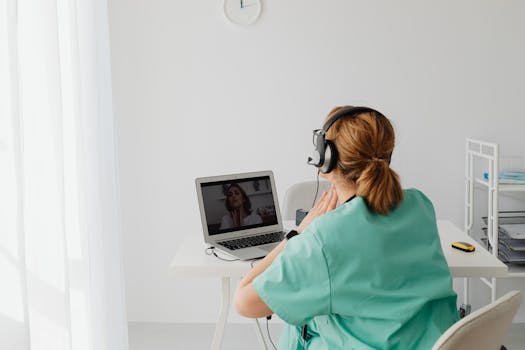
A nurse in a teal uniform conducts a video call consultation from a modern clinic. Photo: https://kaboompics.com/ / Pexels
To truly benefit from online therapy services for anxiety, it's not enough to simply show up for your sessions; active engagement and preparation are key. Here are some tips to help you maximize your experience: * **Create a Dedicated, Private Space:** Before each session, ensure you have a quiet, private, and comfortable environment where you won't be interrupted. This helps maintain confidentiality and allows you to fully focus on the therapeutic process. Use headphones if possible to enhance privacy and sound quality. * **Test Your Technology:** A few minutes before your session, check your internet connection, camera, and microphone. Technical glitches can disrupt the flow of therapy and create unnecessary frustration. Having a backup plan (like using your phone if your computer fails) can also be helpful. * **Set Clear Goals:** Discuss your goals for therapy with your therapist early on. What specific anxiety symptoms do you want to address? What changes do you hope to see in your life? Clear goals provide direction and allow both you and your therapist to track progress effectively. * **Be Open and Honest:** The more transparent you are with your therapist, the more effectively they can help you. Share your thoughts, feelings, and experiences openly, even if they feel uncomfortable. Remember, therapists are non-judgmental professionals there to support you. * **Engage Between Sessions:** Therapy isn't just about the 50 minutes you spend with your therapist. Actively practice the coping strategies, thought exercises, or homework assignments they provide. Consistent application of new skills in your daily life is crucial for lasting change. * **Take Notes:** Jotting down key insights, action items, or strategies discussed during your session can help you remember and reinforce what you've learned. This also allows you to refer back to important points throughout the week. It's also important to address common misconceptions about online therapy for anxiety: * **Misconception: Online therapy is less effective than in-person therapy.** Reality: Numerous studies have shown online therapy to be equally effective for many anxiety disorders, particularly when using evidence-based approaches like CBT. * **Misconception: It's only for mild anxiety.** Reality: While it's great for mild to moderate anxiety, many platforms offer robust support for more severe cases, often with multidisciplinary teams. However, for severe, acute crises, immediate in-person emergency care is always recommended. * **Misconception: You can't build a strong connection with a therapist online.** Reality: Therapeutic alliance can be formed just as effectively online. Many clients report feeling a strong bond and trust with their virtual therapists, often finding it easier to open up from the comfort of their own space. * **Misconception: It's not secure or private.** Reality: Reputable online therapy platforms are HIPAA-compliant and use secure, encrypted technology to protect your privacy and data. Always verify a platform's security measures. By approaching online therapy with an open mind, proper preparation, and consistent effort, you can significantly enhance its effectiveness and achieve meaningful relief from anxiety.

Comparison

FeatureBetterHelpTalkspaceOnline-Therapy.com
Therapy ModalitiesCBT, DBT, ACT, etc.CBT, DBT, PsychodynamicCBT-focused
Communication MethodsVideo, Phone, Chat, MessagingVideo, Phone, Chat, MessagingVideo, Phone, Messaging
SpecializationsAnxiety, Depression, TraumaAnxiety, Depression, CouplesAnxiety, Depression, OCD
Cost Structure (approx. weekly)$60-$90$65-$100$40-$80
Insurance Accepted✓ (some plans)✓ (many plans)✗ (some FSA/HSA)
Therapist MatchingAlgorithmic + ManualAlgorithmicManual Selection
Live Sessions Included✓ (depends on plan)✓ (depends on plan)✓ (depends on plan)

What Readers Say

"Online therapy services for anxiety have been a lifesaver for me. My social anxiety made leaving the house for appointments incredibly difficult, but with my therapist online, I've made so much progress from my own living room. I highly recommend it for anyone struggling with similar issues."

Sarah J. · Austin, TX

"I was skeptical at first, but my online therapist helped me develop practical coping strategies for my generalized anxiety. The flexibility of scheduling sessions around my busy work life is invaluable, and I feel a genuine connection with my therapist."

Mark D. · Denver, CO

"After months of panic attacks, I decided to try online therapy. Within weeks, my panic attacks significantly decreased, and I learned how to manage my triggers effectively. It's truly transformed my daily life and given me back my peace of mind."

Jessica L. · Miami, FL

"While I sometimes miss the in-person feel, the convenience of online therapy for my anxiety outweighs it. My therapist is excellent, and I appreciate being able to connect from anywhere, even when I'm traveling for work. It's a solid solution, though initial tech setup can be a minor hurdle."

Kevin P. · Seattle, WA

"As a new mom, finding time for myself is hard. Online therapy services for anxiety allowed me to get the support I desperately needed for postpartum anxiety without having to arrange childcare. It's discreet, effective, and fits perfectly into my chaotic schedule."

Emily R. · Chicago, IL

Frequently Asked Questions

Are online therapy services for anxiety as effective as traditional in-person therapy?

Yes, numerous scientific studies and meta-analyses have indicated that online therapy, particularly cognitive behavioral therapy (CBT) delivered virtually, is as effective as traditional in-person therapy for treating various anxiety disorders. The key factors for success, such as therapeutic alliance and adherence to evidence-based practices, can be achieved equally well in an online format.

How do I know if an online therapist is qualified and licensed?

Reputable online therapy platforms will prominently display the credentials and licensing information of their therapists. You can typically verify a therapist's license through their state's professional licensing board website. Always ensure the therapist is licensed in your state of residence to comply with legal and ethical standards.

What is the typical process for getting started with online therapy for anxiety?

The process usually involves signing up on a platform, completing an initial questionnaire about your needs and symptoms, and then being matched with a therapist or choosing one from a directory. After an initial consultation, you'll schedule regular video, phone, or chat sessions, engaging in therapeutic work and practicing coping strategies between appointments.

How much do online therapy services for anxiety cost, and is it covered by insurance?

Costs vary significantly, ranging from $40 to over $100 per session or weekly subscription, depending on the platform, therapist, and services included. Many online platforms now accept health insurance, but coverage depends on your specific plan. It's crucial to contact your insurance provider directly to confirm your benefits for telehealth mental health services.

How does online therapy compare to self-help apps for anxiety?

While self-help apps can offer useful tools and exercises, online therapy provides personalized, interactive support from a licensed professional. A therapist can offer tailored guidance, deeper insights into your specific issues, and a human connection that apps cannot replicate, making it generally more effective for managing moderate to severe anxiety.

Who is online therapy for anxiety best suited for?

Online therapy is ideal for individuals seeking convenient, accessible, and flexible mental health support for anxiety disorders. It's particularly beneficial for those with busy schedules, geographical limitations, mobility issues, or those who feel more comfortable discussing personal issues from the privacy of their home. It's suitable for mild to severe anxiety, though acute crises require immediate in-person attention.

Is my privacy protected when using online therapy services?

Yes, reputable online therapy platforms are legally required to be HIPAA-compliant, meaning they use secure, encrypted connections and protocols to protect your personal health information. Always verify that a platform adheres to strict privacy and security standards to ensure your data and sessions remain confidential.

What are the future trends for online therapy in anxiety treatment?

Future trends include the integration of AI-powered tools for personalized exercises and progress tracking, augmented reality (AR) for exposure therapy, and an expansion of specialized online group therapy options. Expect even greater accessibility, more diverse therapeutic approaches, and enhanced personalization to continue making online therapy a cornerstone of mental healthcare.

Don't let anxiety control your life any longer. Explore the diverse and effective online therapy services for anxiety available today and take the courageous step towards lasting peace and well-being. Your journey to a calmer, more fulfilling life can begin now, from the comfort of your own space.

Topics: online therapy services for anxietyvirtual anxiety treatmenttelehealth for anxietyonline counseling anxietyanxiety relief online
Leo List

IE Escorts NO Escorts US Escorts NZ Escorts AU Escorts
Brampton weed
Adultwork EstrelaBet Vai de Bet R7 Bet Betão Galera Bet Rainbet Bet9ja Shop SportyBet BetKing Sisal Loto Foot Hollywoodbets YesPlay Odibets RushBet Jugabet BetWarrior BetCity MSport betPawa Fortebet