Top Online Therapy Platforms for Anxiety: Your Guide to Relief
online therapy platforms for anxiety

Top Online Therapy Platforms for Anxiety: Your Guide to Relief

Access professional mental health support for anxiety from the comfort and privacy of your home, on your schedule.

Find Your Platform Today

Key Takeaways

  • ✓ Over 40 million adults in the US suffer from anxiety disorders.
  • ✓ Online therapy can be as effective as in-person therapy for anxiety.
  • ✓ Many platforms offer flexible scheduling and diverse therapeutic approaches.
  • ✓ Cost can vary significantly, with some platforms accepting insurance.

How It Works

1
Choose Your Platform

Research and select an online therapy platform that aligns with your needs, budget, and desired therapeutic approach. Consider factors like therapist matching and communication methods.

2
Complete Intake & Matching

Fill out an initial questionnaire about your symptoms, preferences, and goals. The platform will then match you with a licensed therapist specializing in anxiety.

3
Begin Your Sessions

Connect with your therapist via video calls, phone calls, live chat, or messaging, depending on the platform and your chosen plan. Engage in regular sessions to work through your anxiety.

4
Track Progress & Adjust

Work collaboratively with your therapist to set goals, track your progress, and adjust your treatment plan as needed. Many platforms offer tools to help monitor your mental well-being.

Understanding the Rise of Virtual Anxiety Treatment
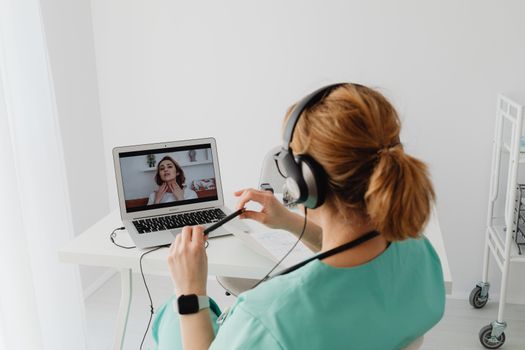
A doctor conducting an online consultation with a patient via laptop in a modern office setting. Photo: www.kaboompics.com / Pexels
Anxiety disorders are the most common mental illness in the United States, affecting 40 million adults aged 18 and older, or 18.1% of the population every year. Despite their prevalence, only about one-third of those affected receive treatment. Barriers to traditional in-person therapy, such as geographical limitations, stigma, scheduling conflicts, and financial constraints, have historically prevented many from accessing the care they need. The advent of online therapy platforms has dramatically reshaped this landscape, offering a convenient, accessible, and often more affordable alternative for individuals seeking support for anxiety. This shift towards virtual care has been accelerated by technological advancements and, more recently, global events that necessitated remote solutions for healthcare. Online therapy, also known as telehealth or telepsychology, utilizes digital communication technologies to provide mental health services remotely. For anxiety, this means connecting with a licensed therapist or psychiatrist through video conferencing, phone calls, text messaging, or live chat from the comfort and privacy of one's home. The effectiveness of online therapy for anxiety has been extensively researched, with numerous studies indicating that it can be just as effective as traditional in-person sessions for various anxiety disorders, including generalized anxiety disorder (GAD), social anxiety disorder, panic disorder, and specific phobias. This is largely because the core therapeutic techniques, such as Cognitive Behavioral Therapy (CBT), Dialectical Behavior Therapy (DBT), and exposure therapy, can be effectively delivered through a virtual format. The ability to access care without the added stress of commuting, taking time off work, or navigating unfamiliar environments can significantly reduce barriers to entry for those already struggling with anxiety. Furthermore, the discreet nature of online therapy can help reduce the perceived stigma associated with seeking mental health treatment, encouraging more individuals to take the crucial first step towards healing. The flexibility offered by these platforms, allowing users to schedule sessions around their busy lives, is another major draw. Patients can often choose from a wider pool of therapists, increasing the likelihood of finding a provider who specializes in their specific type of anxiety and with whom they feel a strong therapeutic alliance. This expanded access to specialized care is particularly beneficial for those in rural areas or those with unique needs that might not be met by local providers. Understanding these foundational benefits is crucial for anyone considering online mental health services for anxiety.

Key Features and Therapeutic Approaches for Anxiety Management

A therapist and client in a counseling session, capturing feelings and support. Photo: www.kaboompics.com / Pexels
When evaluating online therapy platforms for anxiety, it's essential to understand the range of features and therapeutic approaches they offer. Not all platforms are created equal, and the best fit for one individual might not be ideal for another. A critical feature to look for is the availability of licensed and experienced therapists specializing in anxiety disorders. These professionals should hold relevant credentials (e.g., Ph.D., Psy.D., LCSW, LMFT, LPC) and be licensed to practice in your state. Many platforms provide detailed therapist profiles, allowing you to review their backgrounds, specializations, and therapeutic modalities before making a choice. The most common and evidence-based therapeutic approach for anxiety is Cognitive Behavioral Therapy (CBT). CBT helps individuals identify and challenge negative thought patterns and behaviors that contribute to anxiety, replacing them with healthier coping mechanisms. Many online platforms heavily feature CBT-trained therapists. Beyond CBT, other effective approaches include Dialectical Behavior Therapy (DBT), which focuses on emotional regulation and distress tolerance; Acceptance and Commitment Therapy (ACT), which emphasizes mindfulness and values-based living; and psychodynamic therapy, which explores unconscious patterns and past experiences. Some platforms also offer exposure therapy, particularly useful for phobias and panic disorder, where individuals gradually confront feared situations in a safe, controlled environment. Communication methods are another vital feature. Most platforms offer live video sessions, which closely mimic in-person therapy. However, many also provide phone sessions, live chat, and asynchronous messaging. Asynchronous messaging allows you to send messages to your therapist at any time and receive responses within a certain timeframe, offering continuous support between scheduled sessions. This can be particularly beneficial for individuals who experience sudden bouts of anxiety or need ongoing reassurance. Some platforms integrate journaling tools, mood trackers, and educational resources, such as articles, videos, and worksheets, to supplement therapy sessions and empower users with self-help strategies. Privacy and security are paramount when dealing with sensitive health information. Reputable online therapy platforms for anxiety adhere to HIPAA (Health Insurance Portability and Accountability Act) compliance, ensuring that all communications and data are encrypted and protected. Before committing to a platform, review their privacy policy to understand how your data is handled. Additionally, consider the platform's user interface and ease of use. A clunky or confusing platform can add unnecessary stress, which is counterproductive for anxiety treatment. Look for intuitive navigation, reliable technology, and responsive customer support. The ability to easily schedule, reschedule, and manage appointments is also a significant convenience factor. Finally, some platforms offer psychiatric services, including medication management, which can be a crucial component of treatment for severe anxiety disorders, often in conjunction with therapy.

Choosing the Right Online Therapy Platform for Your Anxiety Needs
A medical professional organizing supplies in a hospital setting. Photo: RDNE Stock project / Pexels
Selecting the ideal online therapy platform for anxiety can feel overwhelming given the multitude of options available. A systematic approach, considering your individual needs and circumstances, will help you make an informed decision. Start by assessing your specific anxiety symptoms and the severity of your condition. Are you dealing with generalized anxiety, panic attacks, social anxiety, or a specific phobia? Some platforms may have therapists specializing in particular anxiety disorders. Next, consider your budget and insurance coverage. While online therapy can be more affordable than traditional therapy, costs vary significantly between platforms. Many platforms offer different subscription tiers based on communication methods and frequency of sessions. It's crucial to check if your health insurance plan covers telehealth services and if the platform works with your specific provider. Some platforms operate on a self-pay model but may provide superbills for out-of-network reimbursement. Think about your preferred communication style. Do you thrive with face-to-face video calls, or would you prefer the flexibility of asynchronous messaging? Perhaps a combination of both is ideal. Some individuals find that messaging allows them to articulate their thoughts more clearly without the pressure of a live conversation, while others value the immediate feedback and non-verbal cues of video sessions. The availability of diverse communication options can significantly impact your comfort and engagement with therapy. Another critical factor is therapist matching. How does the platform connect you with a therapist? Do they use an algorithm based on your intake questionnaire, or do you have the option to browse profiles and choose your own? The ability to switch therapists if the initial match isn't right is also an important consideration, as the therapeutic alliance is a strong predictor of treatment success. Consider the platform's reputation and user reviews. While individual experiences can vary, a consistent pattern of positive or negative feedback can offer valuable insights. Look for platforms that prioritize privacy and data security, ensuring they are HIPAA compliant. Accessibility features, such as captioning for video calls or compatibility with assistive technologies, might also be important for some users. Finally, think about the long-term commitment. Are you looking for short-term, solution-focused therapy, or do you anticipate needing ongoing support? Some platforms are better suited for long-term care, offering continuity with the same therapist. By carefully weighing these factors, you can narrow down your choices and find an online therapy platform that effectively addresses your anxiety and supports your journey toward improved mental well-being. Remember, the goal is to find a platform that feels comfortable, effective, and sustainable for your unique situation. For more insights into mental health support options, explore resources on managing mental health conditions.

Maximizing Your Online Therapy Experience for Anxiety Relief

Elderly doctor writing notes at his desk with a focus on work in a well-lit office. Photo: Tima Miroshnichenko / Pexels
Engaging in online therapy for anxiety can be incredibly effective, but maximizing its benefits requires active participation and strategic planning. Here are some tips and common pitfalls to avoid: * **Create a Dedicated Therapy Space:** Designate a quiet, private, and comfortable area in your home for your sessions. This helps create a professional environment, minimizes distractions, and signals to your brain that it's time to focus on your mental health. Ensure good lighting and a stable internet connection. * **Be Open and Honest:** The more transparent you are with your therapist about your thoughts, feelings, and experiences, the more effectively they can help you. Don't hold back information, even if it feels embarrassing or uncomfortable. Vulnerability is key to therapeutic progress. * **Set Clear Goals:** Work with your therapist to establish specific, measurable, achievable, relevant, and time-bound (SMART) goals for your therapy. Whether it's reducing panic attacks, improving social interactions, or managing daily worries, clear goals provide direction and allow you to track progress. * **Practice Between Sessions:** Therapy isn't just about the hour you spend with your therapist. Actively apply the strategies and techniques discussed during your sessions in your daily life. This might include practicing mindfulness, challenging negative thoughts, or engaging in exposure exercises. Consistent practice reinforces learning and promotes lasting change. * **Manage Expectations:** Understand that therapy is a process, not a quick fix. Progress can be gradual, and there might be ups and downs. Be patient with yourself and the therapeutic journey. Celebrate small victories and don't get discouraged by setbacks. * **Communicate Feedback:** If something isn't working, or if you feel your therapist isn't understanding you, communicate this openly. A good therapist will welcome feedback and adjust their approach. The therapeutic relationship is a collaborative one. * **Avoid Distractions:** During your sessions, turn off notifications, close unnecessary tabs, and inform household members not to disturb you. Giving your full attention to the session ensures you get the most out of it. * **Understand Platform Limitations:** While online therapy is highly effective, it's not suitable for everyone, especially those in acute crisis or with severe mental health conditions requiring intensive in-person care. Be aware of the platform's emergency protocols and know when to seek immediate help. * **Review Your Progress Regularly:** Periodically reflect on how far you've come. Many platforms offer tools to track mood and symptoms, which can be helpful for both you and your therapist in assessing the effectiveness of treatment and making adjustments. By following these tips, you can significantly enhance your online therapy experience and move closer to effectively managing your anxiety.

Comparison

FeatureBetterHelpTalkspaceAmwellMDLive
Therapist MatchingAlgorithm & ManualAlgorithm & ManualBrowse & ChooseBrowse & Choose
Communication MethodsVideo, Phone, Chat, MessagingVideo, Phone, Chat, MessagingVideo, PhoneVideo, Phone
Anxiety Specialists
Medication Management✗ (Referrals)✓ (Psychiatry Add-on)✓ (Psychiatry Add-on)✓ (Psychiatry Add-on)
Insurance AcceptedLimitedSome plansMany plansMany plans
Cost Range (Weekly)$60-$90$65-$100$100-$150$100-$150

What Readers Say

"I was skeptical about online therapy for my generalized anxiety, but BetterHelp changed my life. My therapist helped me develop practical coping strategies, and I feel so much calmer and more in control now. The flexibility of messaging between sessions was a game-changer."

Sarah J. · Austin, TX

"Talkspace has been incredibly effective for my social anxiety. Being able to connect with a therapist from home, without the pressure of an in-person meeting, made it easier for me to open up. I've made significant progress in just a few months."

Mark D. · Seattle, WA

"After years of struggling with panic attacks, Amwell connected me with a fantastic CBT therapist. Within weeks, I noticed a dramatic reduction in the frequency and intensity of my attacks. I finally feel like I have the tools to manage my anxiety."

Emily R. · Miami, FL

"MDLive has been a good experience overall. My therapist is very understanding, and the video sessions are convenient. I wish there were more options for asynchronous communication, but the quality of the live sessions is excellent for my specific anxiety issues."

David L. · Denver, CO

"As a busy professional, finding time for therapy was always a challenge. Online therapy platforms for anxiety, specifically BetterHelp, allowed me to fit sessions into my schedule without added stress. It's been instrumental in managing my work-related anxiety and improving my overall well-being."

Jessica P. · Chicago, IL

Frequently Asked Questions

Are online therapy platforms for anxiety as effective as in-person therapy?

Numerous studies and meta-analyses have shown that online therapy can be just as effective as traditional in-person therapy for a wide range of anxiety disorders. The key therapeutic techniques, such as CBT, translate well to a virtual format, and the convenience often leads to greater consistency in attendance, which is crucial for positive outcomes.

Is my privacy protected when using online therapy platforms for anxiety?

Reputable online therapy platforms for anxiety are legally required to be HIPAA compliant, meaning they use secure, encrypted technology to protect your personal health information. Always check a platform's privacy policy to ensure they meet these standards before sharing sensitive details.

How do I choose the best online therapy platform for my anxiety?

To choose the best platform, consider your specific anxiety type, budget, insurance coverage, preferred communication methods (video, phone, chat), and the availability of therapists specializing in anxiety. Many platforms offer initial questionnaires to help match you with a suitable therapist, and some allow you to browse profiles.

How much do online therapy platforms for anxiety cost, and do they accept insurance?

The cost of online therapy for anxiety varies widely, typically ranging from $60 to $150 per week or session, depending on the platform, subscription model, and type of service. Many platforms accept various insurance plans, while others operate on a self-pay model but may provide superbills for out-of-network reimbursement. It's essential to verify your insurance coverage directly with the platform or your provider.

What's the difference between online therapy and online counseling for anxiety?

While often used interchangeably, 'therapy' generally refers to a more in-depth, long-term process with a licensed mental health professional (like a psychologist or psychiatrist), often involving diagnosis and treatment plans. 'Counseling' can be broader, sometimes more short-term and focused on specific issues, and may be provided by various licensed professionals. For anxiety, both terms typically refer to professional support aimed at symptom reduction and coping skill development.

Who should use online therapy platforms for anxiety?

Online therapy platforms are suitable for individuals experiencing mild to moderate anxiety, those with busy schedules, people in rural areas with limited access to in-person care, or anyone who prefers the convenience and privacy of remote sessions. They are also beneficial for individuals seeking specific therapeutic approaches like CBT for anxiety.

What if I have a crisis while using an online therapy platform for anxiety?

Online therapy platforms are generally not designed for immediate crisis intervention. If you are experiencing a mental health crisis, suicidal thoughts, or require immediate help, you should contact emergency services (911 in the US), go to the nearest emergency room, or call a crisis hotline like the National Suicide Prevention Lifeline at 988.

Will online therapy for anxiety become the new standard for mental health care?

While it's unlikely to fully replace in-person therapy, online therapy for anxiety is rapidly becoming a widely accepted and preferred mode of care for many. Its accessibility, convenience, and proven effectiveness suggest it will continue to grow and evolve, becoming a significant and integral part of the mental healthcare landscape, offering a flexible option alongside traditional methods.

Don't let anxiety control your life any longer. Explore the leading online therapy platforms for anxiety today and take the crucial step towards finding effective, convenient, and compassionate support tailored to your needs. Your journey to a calmer, more fulfilling life can begin now.

Topics: online therapy platforms for anxietyvirtual anxiety treatmenttelehealth for anxietyonline counseling anxietyanxiety management platforms
Leo List
Brampton weed
Adultwork