✓ Online consultations are ideal for non-emergency minor illnesses like colds, flu, and UTIs.
✓ Many insurance plans in the US now cover telehealth services.
✓ You can receive diagnoses, prescriptions, and medical advice remotely.
✓ Telehealth saves time and reduces exposure to other illnesses in waiting rooms.
How It Works
1
Choose Your Platform
Select a reputable telehealth provider or check if your existing healthcare system offers virtual visits. Register and provide basic medical history.
2
Schedule or Request a Visit
Book an appointment at your convenience or request an on-demand consultation. Describe your symptoms clearly to help the doctor prepare.
3
Connect with a Doctor
Join your virtual appointment via video call, phone, or secure messaging. Discuss your symptoms and medical history with the licensed physician.
4
Receive Diagnosis & Treatment
The doctor will diagnose your condition, offer medical advice, and send prescriptions to your preferred pharmacy if needed. Follow up as advised.
Understanding the Scope of Virtual Care for Minor Conditions
Photo: Tessy Agbonome / Pexels
The landscape of healthcare has rapidly evolved, making online doctor consultation for minor illness a commonplace and highly effective solution for millions of Americans. Gone are the days when a sniffle, a persistent cough, or a mild rash automatically meant a trip to a crowded urgent care center or a prolonged wait for a primary care appointment. Today, virtual care platforms connect you directly with licensed medical professionals who can assess, diagnose, and treat a wide array of non-emergency conditions from the comfort of your home or office. This shift is not merely about convenience; it represents a fundamental improvement in accessibility, efficiency, and even cost-effectiveness for managing common health concerns. For instance, conditions like the common cold, seasonal allergies, mild asthma exacerbations, urinary tract infections (UTIs) in women, pink eye (conjunctivitis), skin rashes, and even certain gastrointestinal issues (like acid reflux or mild diarrhea) are perfectly suited for virtual evaluation. The key distinction lies in the 'minor' aspect – these are conditions that typically do not require immediate physical examination, advanced diagnostic tests, or emergency intervention. A virtual doctor can carefully listen to your symptoms, review your medical history, and often make an accurate diagnosis based on this information alone. They can then recommend appropriate over-the-counter remedies, provide self-care instructions, or even send a prescription directly to your pharmacy. This streamlined process not only saves you valuable time but also reduces your exposure to other illnesses that might be circulating in a physical waiting room. Understanding what constitutes a 'minor illness' appropriate for virtual care is crucial. It generally encompasses conditions where the symptoms are not severe, life-threatening, or rapidly worsening. If you're experiencing chest pain, difficulty breathing, sudden severe pain, heavy bleeding, or symptoms of a stroke, an emergency room or immediate in-person care is always the correct choice. However, for the vast majority of everyday aches, pains, and infections, online consultations offer a robust and reliable alternative. Many platforms also offer follow-up consultations, ensuring continuity of care for persistent or recurring minor issues. This proactive approach to health management, facilitated by technology, empowers individuals to take control of their well-being without significant disruption to their daily lives. The integration of technology into healthcare, particularly for managing minor ailments, is revolutionizing how we access and perceive medical support. It bridges geographical gaps, making quality medical advice available to individuals in rural areas or those with limited mobility, further democratizing access to essential health services. Learn more about telehealth benefits.
Benefits and Advantages of Telehealth for Everyday Ailments
Photo: Tessy Agbonome / Pexels
The rise of online doctor consultation for minor illness is underpinned by a compelling array of benefits that cater to the demands of modern life. Perhaps the most immediate and tangible advantage is unparalleled convenience. Imagine waking up with a sore throat or a nagging cough. Instead of rearranging your schedule, commuting to a clinic, finding parking, and then spending potentially hours in a waiting room, you can now connect with a doctor from your kitchen table, office desk, or even while traveling. This convenience extends beyond just saving time; it significantly reduces the stress and logistical hurdles often associated with traditional medical appointments. For busy parents, professionals, or individuals with limited transportation, this flexibility is invaluable. Another critical benefit is rapid access to care. For minor illnesses, prompt medical advice can often prevent symptoms from worsening or lead to a quicker recovery. With online platforms, you can often secure a consultation within minutes or hours, rather than days or weeks. This immediacy is particularly beneficial for conditions where early intervention can make a difference, such as preventing a mild cold from escalating into a more severe respiratory infection, or addressing a UTI before it becomes more complicated. Furthermore, telehealth services often come with reduced costs. While specific pricing varies, virtual visits can sometimes be more affordable than in-person appointments, especially for those without comprehensive insurance or with high deductibles. Many insurance providers now cover telehealth services, recognizing their efficacy and cost-saving potential. By avoiding travel expenses, parking fees, and potential time off work, the overall financial burden of seeking care for a minor illness is substantially lessened. The element of privacy and comfort also plays a significant role. Discussing personal health concerns can be more comfortable when you are in your own familiar environment, free from the often-intimidating atmosphere of a clinical setting. This can encourage individuals to seek help sooner for conditions they might otherwise delay addressing due to discomfort or embarrassment. Moreover, online consultations contribute to reducing the spread of contagious diseases. When you have a cold, flu, or other communicable illness, visiting a doctor's office or urgent care facility means potentially exposing others to your germs. Telehealth allows you to receive care without contributing to community transmission, protecting both healthcare workers and other patients. This aspect has become particularly salient in recent years, highlighting the public health benefits of virtual care. The ability to receive prescriptions electronically, sent directly to your preferred pharmacy, further streamlines the treatment process, making the entire experience efficient from start to finish. The sum of these advantages makes online doctor consultation for minor illness not just an alternative, but often the preferred first step for managing common health issues in today's fast-paced world. This innovative approach to healthcare is democratizing access and empowering individuals to take proactive steps in managing their health with unprecedented ease.
Choosing the Right Online Doctor Consultation Platform for Your Needs
Photo: www.kaboompics.com / Pexels
Navigating the growing landscape of online doctor consultation platforms for minor illness requires a discerning eye to ensure you select the best fit for your personal healthcare needs. With numerous providers available, understanding the key differentiators is essential. First and foremost, consider the credentials and licensing of the medical professionals on the platform. Reputable services will clearly state that their doctors are board-certified and licensed to practice in your state. This ensures you are receiving care from qualified and experienced practitioners. Don't hesitate to check for reviews and patient testimonials to gauge the quality of care and patient satisfaction. Secondly, evaluate the range of services offered. While most platforms cover common minor illnesses, some may specialize or offer a broader scope, including mental health support, dermatology, or chronic condition management. If you have specific, recurring minor issues, choose a platform that explicitly addresses them. Some platforms also offer features like specialist referrals or integration with your existing primary care physician's records, which can be a significant advantage for continuity of care. The technological aspect of the platform is also crucial. A user-friendly interface, reliable video conferencing capabilities, and a secure patient portal are non-negotiable. Test the platform's accessibility on your preferred devices – whether it's a smartphone, tablet, or computer – to ensure a smooth experience. Data security and patient privacy are paramount; look for platforms that are HIPAA-compliant and have robust security measures in place to protect your sensitive health information. Understanding the cost structure and insurance coverage is another vital step. Compare consultation fees, subscription models, and whether your health insurance plan is accepted. Many major insurance providers now cover telehealth, but coverage can vary by plan and service. It's always wise to contact your insurance company directly to confirm coverage details before your first virtual visit. Some platforms offer transparent pricing for self-pay patients, which can be beneficial if you have a high deductible plan or are uninsured. Furthermore, consider the availability of doctors and appointment flexibility. Some platforms offer on-demand consultations 24/7, while others require scheduled appointments. If you anticipate needing care at unusual hours or prefer immediate access, an on-demand model might be more suitable. Finally, think about post-consultation support. Does the platform offer easy access to visit summaries, prescriptions, or follow-up questions? A platform that provides comprehensive post-visit care can enhance your overall experience. By carefully weighing these factors, you can confidently choose an online doctor consultation platform that effectively meets your needs for managing minor illnesses, providing timely, high-quality, and convenient medical support. Explore different telehealth services to find your perfect match.
Tips for a Successful Online Doctor Consultation and Avoiding Common Pitfalls
Photo: Tima Miroshnichenko / Pexels
To maximize the effectiveness of your online doctor consultation for minor illness, a little preparation goes a long way. These tips will help ensure a smooth and productive virtual visit, allowing you to get the most out of the experience and avoid common frustrations.
**Tips for a Successful Online Consultation:**
* **Prepare Your Symptoms:** Before your call, jot down all your symptoms, including when they started, their severity, what makes them better or worse, and any associated discomfort. Be as detailed and specific as possible.
* **Gather Medical History:** Have a brief overview of your relevant medical history ready, including pre-existing conditions, allergies, current medications (including over-the-counter drugs and supplements), and any recent illnesses or exposures. This helps the doctor understand your overall health context.
* **Choose a Quiet, Private Space:** Find a well-lit, quiet, and private area where you won't be interrupted. This ensures you can speak freely and hear the doctor clearly without distractions.
* **Test Your Technology:** Before your appointment time, ensure your internet connection is stable, your device (computer, tablet, or smartphone) is charged, and your camera and microphone are working correctly. Close unnecessary applications to prevent bandwidth issues.
* **Be Honest and Thorough:** Provide complete and honest information to the doctor. Don't withhold details you might find embarrassing or insignificant; every piece of information can be crucial for an accurate diagnosis.
* **Ask Questions:** Don't hesitate to ask questions about your diagnosis, treatment plan, medication instructions, or what to do if your symptoms worsen. It's your health, and you have a right to understand your care.
* **Have a Pen and Paper Ready:** Take notes during the consultation, especially regarding medication dosages, follow-up instructions, and any red flag symptoms to watch out for.
**Common Pitfalls to Avoid:**
* **Delaying Care for Serious Symptoms:** Never use an online consultation for severe, life-threatening, or rapidly worsening symptoms. If you suspect a medical emergency, call 911 or go to the nearest emergency room immediately.
* **Poor Internet Connection:** A choppy connection can lead to miscommunication and a frustrating experience. Address connectivity issues before your appointment.
* **Multitasking During the Call:** Give the doctor your full attention. Multitasking can lead to missed information and a less effective consultation.
* **Expecting a Specific Diagnosis or Prescription:** While online doctors can prescribe medication, they will only do so if clinically appropriate. Trust their professional judgment and be open to different treatment approaches.
* **Not Following Up:** If instructed to follow up, or if your symptoms don't improve, ensure you communicate with the platform or your doctor as advised. Continuity of care is important.
By following these guidelines, you can ensure your online doctor consultation for minor illness is as effective and beneficial as an in-person visit, leading to quicker relief and better health outcomes.
Comparison
Feature
Online Doctor Consultation
Urgent Care Clinic
Primary Care Physician
Convenience
High (from anywhere)
Medium (travel required)
Low (scheduled appointments)
Speed of Access
Very Fast (minutes to hours)
Fast (hours of wait)
Slow (days to weeks)
Cost (out-of-pocket)
Often lower
Moderate to High
Moderate
Scope of Minor Illnesses
Broad range (non-emergency)
Broad range (non-emergency)
Broad range (non-emergency)
Prescriptions
✓ (sent electronically)
✓ (given at clinic)
✓ (given at clinic)
Physical Exam
✗ (limited to visual/verbal)
✓ (full exam)
✓ (full exam)
Continuity of Care
Varies by platform
Limited
High (long-term relationship)
What Readers Say
★★★★★
"My online doctor consultation for minor illness was incredibly easy. I had a nagging cough and a quick video call got me a diagnosis and a prescription sent right to my pharmacy, all without leaving my house."
Sarah J. · Austin, TX
★★★★★
"I used an online doctor when my allergies flared up unexpectedly during a business trip. The doctor was knowledgeable and provided great advice, saving me a trip to an unfamiliar urgent care clinic."
Mark D. · Seattle, WA
★★★★★
"Dealing with a UTI is never fun, but the online doctor consultation made getting treatment so simple. I had a prescription within an hour of my call, and my symptoms started improving quickly."
Emily R. · Miami, FL
★★★★★
"The online consultation was very convenient for my sinus infection. While I missed the physical exam slightly, the doctor was thorough with questions and I felt confident in the diagnosis and treatment plan."
David K. · Denver, CO
★★★★★
"As a busy mom, online doctor consultation for minor illness is a lifesaver. I got quick advice for my child's mild rash without having to pack everyone up and head to the doctor's office during school hours."
Jessica L. · Chicago, IL
Frequently Asked Questions
What types of minor illnesses can be treated via online doctor consultation?
Online doctor consultations are well-suited for a wide range of non-emergency conditions such as colds, flu, allergies, sinus infections, sore throats, UTIs, pink eye, skin rashes, acid reflux, insect bites, and some mild gastrointestinal issues. The key is that they don't require an immediate physical exam or advanced diagnostics.
Is online doctor consultation as effective as an in-person visit for minor illnesses?
For minor illnesses, online consultations can be just as effective. Doctors use your detailed symptom description, medical history, and sometimes visual cues (via video) to make a diagnosis and recommend treatment. Studies show high patient satisfaction and similar outcomes for appropriate conditions.
How do I get a prescription from an online doctor?
If a prescription is deemed medically necessary during your online consultation, the doctor can electronically send it directly to your preferred pharmacy. You will typically receive a notification when it's ready for pickup. Controlled substances are generally not prescribed via telehealth.
How much does an online doctor consultation for minor illness typically cost?
Costs vary by platform and whether you have insurance. Many services offer consultations for $40-$75 for self-pay. With insurance, your co-pay or deductible may apply, similar to an in-person visit. Always check with the provider and your insurance plan beforehand.
How does online doctor consultation compare to urgent care for minor issues?
Online consultations offer greater convenience, faster access (often minutes vs. hours), and typically lower costs than urgent care. While both treat minor issues, urgent care provides physical exams and on-site testing. Online is ideal for clear-cut minor cases, saving urgent care for more ambiguous or hands-on needs.
Who should consider using online doctor consultation for minor illness?
Anyone experiencing non-emergency symptoms of a minor illness can benefit. This includes individuals with busy schedules, those living in rural areas, people with mobility challenges, or anyone seeking quick, convenient, and cost-effective care without the need to travel or sit in a waiting room.
Is my personal health information secure during an online consultation?
Reputable online doctor consultation platforms are required to be HIPAA-compliant, meaning they adhere to strict federal regulations regarding the privacy and security of your health information. They use secure, encrypted connections for all communications and data storage.
What is the future outlook for online doctor consultations for minor illnesses?
The future of online doctor consultations is bright. Continued advancements in technology, increasing insurance coverage, and growing patient acceptance suggest telehealth will become an even more integrated and primary mode of care for minor illnesses, potentially expanding to more complex chronic condition management and preventative care.
Embrace the future of healthcare with online doctor consultation for minor illness. Experience unmatched convenience, rapid access to care, and expert medical advice from the comfort of your home. Don't let minor ailments disrupt your life – get the help you need, when you need it.

 Photo: Tessy Agbonome / Pexels
 Photo: Tessy Agbonome / Pexels
 Photo: www.kaboompics.com / Pexels
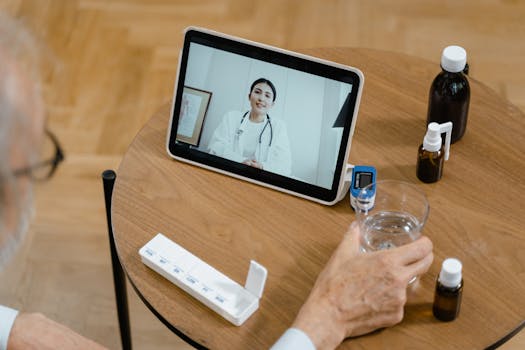 Photo: Tima Miroshnichenko / Pexels