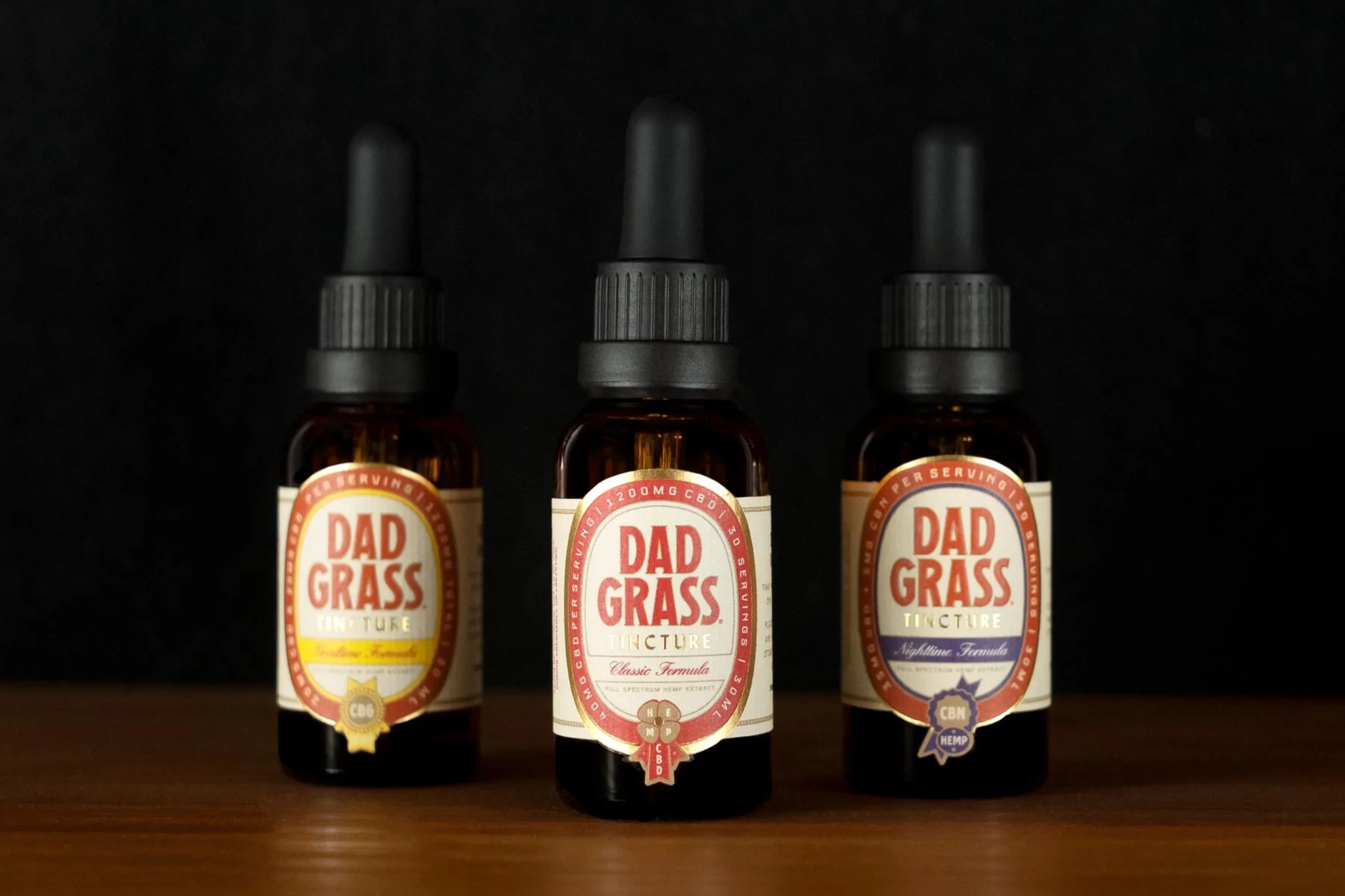
Navigating Cannabis Labels for Sleep Issues: Your Guide
Navigating Cannabis Labels for Sleep Issues

Navigating Cannabis Labels for Sleep Issues: Your Guide

Unlock the secrets on cannabis labels to find the perfect product for a restful night's sleep.

Start Sleeping Better

Key Takeaways

  • ✓ Cannabis labels provide crucial information on cannabinoid content (THC, CBD, CBN).
  • ✓ Terpenes play a significant role in cannabis's effects, including sedation.
  • ✓ Understanding product types (edibles, tinctures, vapes) is key for onset and duration.
  • ✓ Dosing cannabis for sleep is highly individual and requires careful titration.

How It Works

1
Identify Cannabinoids

Look for THC, CBD, and especially CBN percentages. Higher CBN and balanced THC/CBD ratios are often sought for sleep.

2
Scrutinize Terpene Profiles

Seek out terpenes like Myrcene, Linalool, and Caryophyllene. These are commonly associated with sedative and relaxing effects.

3
Understand Product Formulations

Decide between edibles for longer duration, tinctures for controlled dosing, or vapes for quicker onset. Each has distinct benefits for sleep.

4
Start Low, Go Slow with Dosing

Begin with a very low dose, especially if new to cannabis. Gradually increase until desired effects are achieved without unwanted side effects.

Understanding the Basics: Cannabinoids and Their Role in Sleep
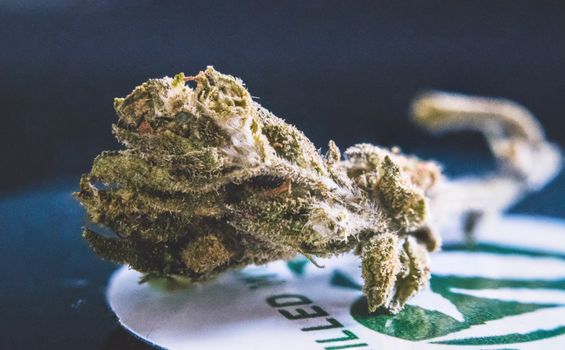
Detailed view of a dried cannabis bud, showcasing its texture and trichomes. Photo: Yash Lucid / Pexels
For many individuals in the US, achieving consistent, restorative sleep remains an elusive goal. Insomnia and other sleep disturbances can significantly impact quality of life, productivity, and overall health. As cannabis legalization expands, more people are exploring its potential as a natural sleep aid. However, the sheer variety of cannabis products can be overwhelming, making informed choices about cannabis for sleep challenging without a solid understanding of what's on the label. This section will demystify the primary cannabinoids and their known or hypothesized effects on sleep. The cannabis plant contains hundreds of compounds, but the most well-known and studied are cannabinoids, particularly Tetrahydrocannabinol (THC) and Cannabidiol (CBD). THC is the primary psychoactive component responsible for the 'high' associated with cannabis, but at lower doses, it can also act as a sedative. Research suggests that THC may decrease the time it takes to fall asleep, though higher doses can sometimes disrupt sleep architecture, particularly REM sleep. Therefore, finding the right THC dosage is critical for sleep purposes. Too much can lead to anxiety or next-day grogginess, counteracting the desired effect. CBD, on the other hand, is non-psychoactive and has gained significant attention for its potential therapeutic benefits, including anxiety reduction and pain relief, both of which can be significant barriers to sleep. While CBD itself is not directly sedating in the same way THC can be, its ability to calm the nervous system and alleviate discomfort can indirectly promote better sleep. Many users find that a balanced ratio of CBD to THC provides the most effective sleep aid, leveraging THC's sedative qualities while mitigating potential psychoactive side effects with CBD's calming influence. Beyond THC and CBD, another cannabinoid crucial for sleep is Cannabinol (CBN). CBN is a minor cannabinoid that forms as THC degrades over time. It is often referred to as the 'sleepy cannabinoid' due to anecdotal evidence and some preliminary research suggesting it has sedative properties. Products specifically formulated for sleep often feature higher levels of CBN. While research is still emerging, the combination of CBN with THC and CBD is a common strategy in sleep-focused cannabis products. Understanding the ratios and concentrations of these three cannabinoids – THC, CBD, and CBN – is the first and most critical step in navigating cannabis labels for sleep issues. A label might show 5mg THC, 10mg CBD, and 2mg CBN per serving, which indicates a product geared towards relaxation and sleep. Always check the total cannabinoid content per package and per serving to ensure you are dosing correctly and safely.

Decoding Terpene Profiles: The Aromatic Keys to Restful Sleep
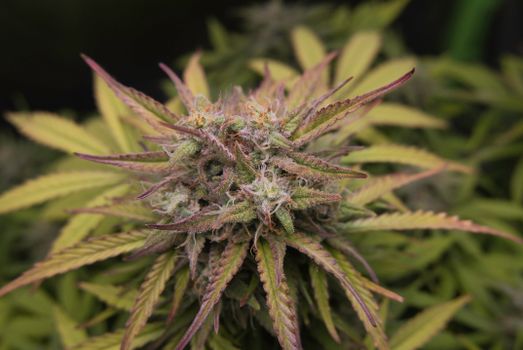
Detailed image of a cannabis plant with vibrant green leaves in a garden. Photo: Philipp / Pexels
While cannabinoids are the main drivers of cannabis's effects, they are not the whole story. Terpenes, the aromatic compounds found in cannabis (and many other plants), play a crucial role in shaping the overall experience, often referred to as the 'entourage effect.' This theory suggests that cannabinoids and terpenes work synergistically to enhance or modulate each other's therapeutic properties. For individuals seeking cannabis for sleep, understanding specific terpene profiles can be just as important as knowing the cannabinoid content. Labels often list the dominant terpenes, and recognizing these can guide you toward products more likely to induce sedation and relaxation. Here are some of the most prominent terpenes associated with sleep: * **Myrcene:** This is one of the most common terpenes in cannabis and is often found in indica-dominant strains. It has a musky, earthy aroma and is known for its sedative and muscle-relaxing properties. Many believe myrcene contributes significantly to the 'couch-lock' effect associated with some cannabis varieties, making it highly desirable for sleep. * **Linalool:** Found in lavender, this terpene has a distinct floral scent and is renowned for its calming and anxiolytic (anxiety-reducing) effects. Linalool's presence in cannabis products can contribute to a sense of tranquility, helping to ease the mind before sleep. * **Beta-Caryophyllene:** This terpene has a spicy, peppery, or woody aroma and is unique because it also acts as a cannabinoid, directly binding to CB2 receptors in the endocannabinoid system. It's known for its anti-inflammatory and pain-relieving properties, which can be beneficial for those whose sleep is disrupted by chronic pain. * **Terpinolene:** While often found in uplifting strains, some varieties with terpinolene can still contribute to a broader entourage effect that promotes relaxation, especially when combined with other sedative terpenes. It has a complex aroma, often described as piney, floral, and herbaceous. When reviewing a cannabis label, look for products that prominently feature these terpenes. Some labels might even provide a detailed terpene analysis, listing percentages of each compound. A product with high levels of Myrcene, Linalool, and Beta-Caryophyllene, combined with appropriate cannabinoid ratios (e.g., higher CBD/CBN, moderate THC), is generally a good indicator for sleep-promoting effects. Conversely, products high in stimulating terpenes like Limonene (citrusy) or Pinene (piney) might be less suitable for nighttime use, as they are often associated with uplifting and energizing effects. Paying close attention to the terpene profile allows you to select products that are specifically formulated to support a good night's rest, moving beyond just the THC and CBD numbers.

Our partners at MJ420 Delivery offer related services.

Product Types and Dosing Strategies for Optimal Sleep
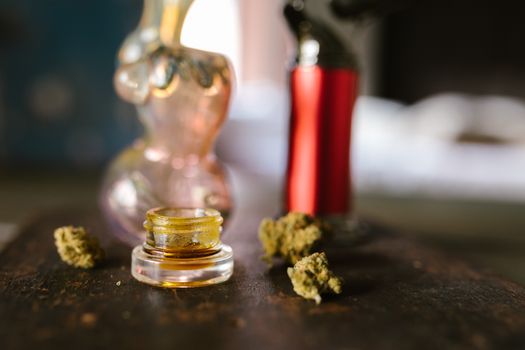
Glass jar with cannabis concentrate, surrounded by dried marijuana buds and smoking accessories on a table. Photo: RDNE Stock project / Pexels
The form factor of your cannabis product significantly influences its onset, duration, and overall effectiveness for sleep. Cannabis labels will clearly indicate whether you're purchasing an edible, a tincture, a vape cartridge, or another product type. Each has distinct characteristics that are important to consider when selecting cannabis for sleep management. **Edibles** (gummies, chocolates, capsules) are processed through the digestive system, leading to a delayed onset (typically 30 minutes to 2 hours) but a much longer duration of effects (4 to 8 hours, sometimes longer). This makes them ideal for individuals who need sustained relief throughout the night. The delayed onset means you should consume an edible well before your desired bedtime. Labels for edibles will clearly state the cannabinoid content per piece (e.g., 5mg THC, 10mg CBD per gummy) and the total content in the package. Always start with a very low dose (e.g., 2.5mg THC or less) and wait at least 2 hours before considering more, as the effects can be potent and long-lasting. **Tinctures** (oils administered sublingually under the tongue) offer a quicker onset than edibles (15 to 45 minutes) because cannabinoids are absorbed directly into the bloodstream. Their effects typically last 4 to 6 hours. Tinctures provide precise dosing control, as you can measure out specific amounts using a dropper. Labels will indicate the total cannabinoid content in the bottle (e.g., 500mg CBD, 250mg THC) and the concentration per milliliter or per drop. This precision makes tinctures an excellent option for microdosing and finding your optimal sleep dose. **Vaporizers** (vape pens, cartridges) offer the fastest onset (minutes) because cannabinoids are inhaled directly into the lungs and absorbed rapidly. However, their effects are the shortest-lived (1 to 3 hours). While good for immediate relief or to help fall asleep quickly, they may not sustain sleep throughout the entire night. Labels will specify the cannabinoid content per cartridge and sometimes per puff. Vaping is generally not recommended as a primary long-term solution for chronic sleep issues due to the shorter duration and potential respiratory concerns, but it can be useful for acute insomnia or as a quick top-up. **Topicals** (creams, balms) are not generally used for systemic sleep effects as they are absorbed through the skin and do not enter the bloodstream in significant amounts. They are more suited for localized pain relief that might be disrupting sleep. While they won't induce drowsiness, alleviating physical discomfort can indirectly improve sleep quality. Regardless of the product type, the most crucial aspect of using cannabis for sleep is **dosing**. Start with the lowest possible dose and gradually increase it over several nights until you find the minimum effective dose that promotes sleep without unwanted side effects like grogginess, anxiety, or impaired cognition the next day. Keep a sleep journal to track your dosage, product type, and sleep quality to refine your approach. Remember, every individual reacts differently to cannabis, so personal experimentation and careful observation are key.

Avoiding Common Pitfalls and Maximizing Efficacy for Sleep

A serene scene of a woman with afro hair peacefully sleeping in a cozy bedroom. Photo: KATRIN BOLOVTSOVA / Pexels
Navigating the world of cannabis for sleep can be a journey of trial and error, but by understanding common pitfalls and best practices, you can maximize your chances of success. Here are some key considerations to ensure you're using cannabis safely and effectively for better rest: **Common Mistakes to Avoid:** * **Overdosing:** This is perhaps the most frequent error, especially with edibles. Taking too much THC can lead to increased anxiety, paranoia, or a racing mind, completely counteracting the desired sedative effect. Always start with a very low dose (e.g., 1-2.5mg THC) and wait for the full effects to manifest before considering more. * **Ignoring Terpenes:** Focusing solely on THC and CBD percentages overlooks the crucial role of terpenes. A product with a high THC content but a stimulating terpene profile might keep you awake, rather than help you sleep. * **Inconsistent Product Use:** Switching between different strains or product types without understanding their unique profiles makes it difficult to pinpoint what works best for you. Stick with a chosen product for several nights to assess its efficacy. * **Not Considering Onset/Duration:** Consuming an edible right before bed and expecting immediate results will lead to frustration. Similarly, relying on a vape for all-night sleep might leave you waking up prematurely as the effects wear off. * **Self-Medicating Without Consulting a Professional:** While cannabis can be helpful, it's not a substitute for professional medical advice, especially for chronic sleep disorders. Consult with a healthcare provider, particularly if you're taking other medications, as cannabis can have drug interactions. **Tips for Maximizing Efficacy:** * **Keep a Sleep Journal:** Document the product used (strain, cannabinoids, terpenes), dosage, time of consumption, time fallen asleep, wake-ups, and next-day grogginess. This data is invaluable for fine-tuning your regimen. * **Combine with Sleep Hygiene:** Cannabis is a tool, not a magic bullet. Practice good sleep hygiene: maintain a consistent sleep schedule, create a dark and quiet sleep environment, avoid screens before bed, and limit caffeine and alcohol intake. * **Experiment with Ratios:** Don't assume more THC is always better for sleep. Many find a balanced THC:CBD ratio (e.g., 1:1, 1:2) or products with added CBN to be more effective and less psychoactive. * **Consider Full-Spectrum Products:** These products contain a wide array of cannabinoids, terpenes, and other beneficial compounds from the plant, potentially leading to a stronger entourage effect compared to isolates. * **Source Reputable Products:** Always purchase from licensed dispensaries that provide comprehensive lab testing results. These reports verify cannabinoid and terpene content and ensure the absence of harmful contaminants like pesticides, heavy metals, and mold. Understanding these lab results is a critical part of responsible cannabis use for sleep. The transparency provided by detailed labels is your best defense against ineffective or potentially harmful products. By being diligent in your product selection, precise with your dosing, and mindful of your body's responses, you can effectively use cannabis to improve your sleep. Remember that individual responses vary greatly, and what works for one person may not work for another. Patience and careful observation are your greatest assets in this process.

Comparison

FeatureEdibles (Gummies/Capsules)Tinctures (Sublingual)Vaporizers (Inhalation)
Onset Time30-120 minutes15-45 minutes2-10 minutes
Duration of Effects4-8+ hours4-6 hours1-3 hours
Dosing PrecisionModerate (per piece)High (per drop)Low (per puff)
Ideal forSustained all-night sleepControlled dosing, quicker onsetImmediate relief, acute insomnia
Psychoactive PotentialHigher, longer-lastingModerate, controllableModerate, short-lived

What Readers Say

"Before reading about Navigating Cannabis Labels for Sleep Issues, I was just guessing. Now I look for CBN and Myrcene, and my sleep has genuinely improved. It's made all the difference."

Sarah J. · Denver, CO

"This guide helped me understand why some cannabis products worked for my insomnia and others didn't. Focusing on the CBD:THC ratio and specific terpenes listed on the label has been a game-changer."

Mark R. · Portland, OR

"I used to wake up frequently, but after learning to read the labels for sleep-specific cannabinoids and terpenes, I found a tincture that gives me 6-7 hours of uninterrupted sleep. My mornings are so much better now."

Jessica L. · Los Angeles, CA

"The article on Navigating Cannabis Labels for Sleep Issues provided a lot of great detail, especially on dosing. I'm still fine-tuning my perfect dose, but I'm definitely seeing positive changes in my sleep patterns."

David P. · Boston, MA

"As someone who struggled with chronic pain impacting sleep, finding products with Beta-Caryophyllene and a balanced CBD/THC ratio has been incredibly helpful. This guide empowered me to make informed choices at the dispensary."

Emily K. · Phoenix, AZ

Frequently Asked Questions

What cannabinoids are most important for sleep?

The most important cannabinoids for sleep are THC (Tetrahydrocannabinol) for its sedative effects, CBD (Cannabidiol) for its anxiety-reducing properties, and CBN (Cannabinol), which is specifically associated with sedation. A good sleep product often features a combination of these, with higher CBD or CBN, and moderate THC.

Will cannabis make me groggy the next day?

While some people experience next-day grogginess, especially with higher THC doses or if taken too late, it's often a sign of an incorrect dosage or product choice. Starting with a low dose and adjusting gradually, along with selecting products balanced with CBD or CBN, can help minimize this side effect.

How do I find the right cannabis product for my sleep issues?

To find the right product, start by understanding the cannabinoid ratios (THC, CBD, CBN) and terpene profiles (e.g., Myrcene, Linalool) on the label. Choose a product type (edible, tincture) that aligns with your desired onset and duration. Begin with a very low dose and gradually increase it while monitoring your sleep and next-day effects in a journal.

Is cannabis for sleep expensive?

The cost of cannabis for sleep varies widely depending on the product type, potency, brand, and region. While some products can be costly, many affordable options exist. Focusing on finding your minimum effective dose can also help manage costs, as less product is needed for the desired effect.

How does cannabis compare to traditional sleep aids?

Cannabis offers a more natural, plant-derived alternative to traditional pharmaceutical sleep aids, which often come with significant side effects or dependency risks. Unlike some sedatives, cannabis can address underlying issues like pain or anxiety that disrupt sleep. However, individual responses vary, and it's essential to consult a doctor.

Who should consider using cannabis for sleep?

Individuals suffering from insomnia, anxiety-related sleep disturbances, or chronic pain that interferes with sleep may consider using cannabis. It's particularly appealing to those seeking natural alternatives or who have not found success with conventional treatments, always after consulting with a healthcare professional.

Are there any safety concerns with using cannabis for sleep?

Yes, potential safety concerns include adverse drug interactions, impaired motor skills (especially with THC), and the risk of dependency with prolonged, high-dose use. Always purchase from licensed dispensaries with lab-tested products to avoid contaminants. Consult a doctor before use, particularly if you have underlying health conditions or are on other medications.

What are future trends in cannabis for sleep?

Future trends include more sophisticated product formulations specifically targeting sleep, with precise ratios of minor cannabinoids like CBN and targeted terpene profiles. Research will likely delve deeper into the entourage effect and personalized cannabis medicine, leading to more tailored and effective sleep solutions.

Empower yourself to make informed decisions about cannabis for sleep. By understanding how to read and interpret cannabis labels, you can unlock the full potential of this plant to achieve the restorative sleep you deserve. Start your journey to better rest today by applying these insights.

Topics: Navigating Cannabis Labels for Sleep Issuescannabis for insomniaCBD THC sleepterpenes for sleepcannabis dosing sleep
Leo List

DK Escorts LU Escorts AT Escorts SE Escorts FI Escorts CH Escorts DE Escorts HR Escorts IE Escorts GR Escorts CZ Escorts NO Escorts BE Escorts FR Escorts SI Escorts IL Escorts NL Escorts PL Escorts HU Escorts ES Escorts IT Escorts PT Escorts SK Escorts RO Escorts ZA Escorts UY Escorts US Escorts UK Escorts NZ Escorts AU Escorts
Brampton weed
Adultwork EstrelaBet Vai de Bet R7 Bet Betão Galera Bet Rainbet Bet9ja Shop SportyBet BetKing Sisal Loto Foot Hollywoodbets YesPlay Odibets RushBet Jugabet BetWarrior BetCity MSport betPawa Fortebet