
How to Treat Acid Reflux at Home: Your Ultimate Guide
Unlock lasting relief from heartburn and discomfort with proven home remedies and lifestyle adjustments.
Start Feeling BetterKey Takeaways
- ✓ Acid reflux, or GERD, affects millions in the US, causing heartburn and discomfort.
- ✓ Dietary changes, such as avoiding trigger foods, are often the first line of defense.
- ✓ Lifestyle modifications, like elevating the head of your bed, can significantly reduce symptoms.
- ✓ Natural remedies, including apple cider vinegar and ginger, offer symptomatic relief for many.
How It Works
Keep a food diary to pinpoint specific foods and beverages that exacerbate your acid reflux symptoms. This personalized approach is crucial for effective management.
Integrate acid-friendly foods and eliminate common culprits like spicy foods, caffeine, and fatty meals. Focus on whole, unprocessed ingredients to support digestive health.
Adopt habits such as eating smaller, more frequent meals, avoiding late-night eating, and maintaining a healthy weight. These simple shifts can dramatically reduce reflux episodes.
Consider incorporating natural aids like aloe vera juice, licorice root, or baking soda for immediate relief. Always consult a healthcare professional before starting new supplements.
Understanding Acid Reflux: Causes and Symptoms
 Photo: RDNE Stock project / Pexels
Several factors can contribute to a compromised LES. Dietary choices play a significant role; foods high in fat, caffeine, chocolate, peppermint, and acidic items like citrus and tomatoes are notorious for relaxing the LES or increasing stomach acid production. Lifestyle habits also weigh heavily. Obesity, for instance, increases abdominal pressure, pushing stomach contents upwards. Smoking and alcohol consumption can both weaken the LES and irritate the esophageal lining. Pregnancy can also induce reflux due to hormonal changes and increased pressure on the stomach.
The symptoms of acid reflux are varied and can range from mild to severe. The most classic symptom is heartburn, a burning sensation in the chest, often after eating, that can worsen when lying down or bending over. Other common symptoms include regurgitation, where sour or bitter-tasting fluid comes back into the throat or mouth. Many individuals also experience dysphagia, difficulty swallowing, or a sensation of food being stuck in the throat. Chronic cough, hoarseness, sore throat, and even asthma-like symptoms can also be manifestations of GERD, as stomach acid can irritate the vocal cords and airways. Less common but serious symptoms might include unexplained weight loss, black or bloody stools, or persistent vomiting, which warrant immediate medical attention as they could indicate more severe underlying conditions.
Understanding these causes and symptoms is the first crucial step in learning how to treat acid reflux at home effectively. By identifying personal triggers and recognizing the signs, individuals can begin to implement targeted strategies to manage their condition. It's important to differentiate between occasional heartburn and chronic GERD; while occasional heartburn might respond well to simple dietary changes, persistent symptoms require a more structured approach and potentially medical consultation to prevent long-term complications such as esophagitis, esophageal stricture, or Barrett's esophagus, a precancerous condition. Early intervention and consistent management are key to maintaining esophageal health and improving quality of life. Learn more about digestive health.
Dietary Adjustments: Your First Line of Defense
 Photo: beyzahzah / Pexels
Spicy foods, while enjoyed by many, can irritate an already inflamed esophagus and increase acid production. Similarly, acidic foods like citrus fruits (oranges, lemons, grapefruit), tomatoes, and tomato-based products (sauces, ketchup) can be problematic for some individuals. Beverages like coffee, tea, carbonated drinks, and alcohol are also known triggers due to their acidity or their ability to relax the LES. Peppermint and chocolate, surprisingly, can also contribute to reflux by relaxing the LES.
Instead, focus on incorporating foods that are generally well-tolerated and can even help alleviate symptoms. High-fiber foods, such as whole grains (oatmeal, brown rice), root vegetables (carrots, sweet potatoes), and green vegetables (broccoli, asparagus), can aid digestion and promote satiety, reducing the urge to overeat. Lean proteins like chicken, turkey, and fish are good choices, especially when baked, grilled, or broiled. Healthy fats from avocados, nuts, and olive oil can be consumed in moderation.
Alkaline foods, which have a higher pH, can help neutralize stomach acid. Examples include bananas, melons, cauliflower, and fennel. Ginger, known for its anti-inflammatory properties, can be consumed in tea or added to meals. Aloe vera juice, when consumed in small amounts, may also help calm an irritated esophagus.
Beyond specific foods, the way you eat is equally important. Eating smaller, more frequent meals throughout the day can prevent the stomach from becoming overly full, reducing pressure on the LES. Avoid eating within 2-3 hours of bedtime, as lying down with a full stomach makes it easier for acid to reflux. Chewing food thoroughly and eating slowly can also aid digestion and prevent overeating. Staying adequately hydrated with plain water, especially between meals, is also beneficial. By making conscious and consistent dietary changes, many individuals find significant relief from their acid reflux symptoms, making it a cornerstone of home treatment strategies.
Lifestyle Modifications for Lasting Acid Reflux Relief
 Photo: cottonbro studio / Pexels
Weight management is another critical factor. Excess abdominal fat puts increased pressure on the stomach, forcing acid upwards into the esophagus. Losing even a small amount of weight can significantly reduce this pressure and alleviate symptoms. Incorporating regular, moderate exercise can aid in weight loss and overall digestive health, but it's important to avoid intense exercise immediately after eating, as this can trigger reflux.
Smoking cessation is vital for anyone suffering from acid reflux. Nicotine is known to relax the LES, making it easier for stomach acid to escape. Smoking also irritates the esophageal lining, making it more susceptible to damage from acid. Similarly, reducing or eliminating alcohol consumption can be beneficial, as alcohol can relax the LES and increase stomach acid production.
Stress management techniques can also play a role. While stress doesn't directly cause acid reflux, it can worsen symptoms in many individuals. Practices like meditation, yoga, deep breathing exercises, or simply engaging in hobbies can help reduce stress levels and, consequently, the severity of reflux episodes.
Clothing choices might seem minor, but wearing loose-fitting clothes, especially around the waist, can prevent unnecessary pressure on the abdomen and stomach. Tight clothing can compress the stomach, forcing acid upwards.
Finally, paying attention to meal timing is crucial. As mentioned previously, avoiding large meals close to bedtime is key. Allow at least 2-3 hours between your last meal and lying down. If you must eat late, opt for a very small, bland snack. By consistently implementing these lifestyle changes, individuals can create an environment that is less conducive to acid reflux, leading to a significant reduction in symptoms and an improved quality of life. These modifications, when combined with dietary adjustments, form a powerful, non-pharmacological approach to managing GERD. Discover more about healthy lifestyle choices.
Natural Remedies and Common Mistakes to Avoid
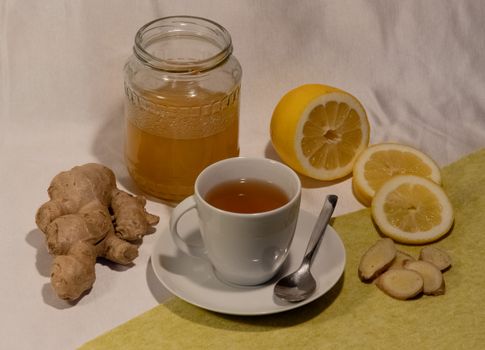 Photo: Lusynda <3 / Pexels
Here are some popular natural remedies:
- Apple Cider Vinegar (ACV): Some people find that a tablespoon of raw, unfiltered ACV mixed in water before meals helps balance stomach acid. However, for others, its acidity can worsen symptoms. Start with a very small amount and observe your body's reaction.
- Baking Soda: A quick, temporary fix for heartburn, a teaspoon of baking soda dissolved in a glass of water can neutralize stomach acid. Use sparingly, as excessive intake can lead to side effects like bloating, gas, and high sodium levels.
- Ginger: Known for its anti-inflammatory properties, ginger can soothe an upset stomach. Sip on ginger tea or add fresh ginger to your meals.
- Aloe Vera Juice: Pure aloe vera juice (specifically formulated for internal use) may help reduce inflammation in the esophagus. Choose brands that are free of aloin, a laxative compound.
- Licorice (DGL): Deglycyrrhizinated licorice (DGL) supplements are believed to protect the esophageal lining. It's often available in chewable tablet form.
- Chamomile Tea: This herbal tea can have a calming effect and may help reduce inflammation and stress, which can trigger reflux.
While these remedies can offer relief, it's equally important to be aware of common mistakes that can hinder your progress or even worsen your condition:
- Self-diagnosing severe symptoms: Persistent or severe symptoms like difficulty swallowing, unexplained weight loss, or bloody stools warrant immediate medical attention, not just home remedies.
- Ignoring trigger foods: Even with remedies, continuing to consume your personal trigger foods will undermine any progress.
- Over-reliance on quick fixes: While baking soda can provide temporary relief, it's not a long-term solution. Focus on sustainable dietary and lifestyle changes.
- Lying down immediately after eating: This is a common mistake that allows stomach acid to easily flow back into the esophagus.
- Wearing tight clothing: Restrictive clothing around the abdomen can put pressure on the stomach, pushing acid upwards.
- Not staying hydrated: Dehydration can sometimes make digestive issues worse. Drink plenty of plain water throughout the day.
- Not consulting a doctor: If home remedies aren't providing sufficient relief, or if symptoms are worsening, it's crucial to consult a healthcare professional. They can rule out other conditions and recommend appropriate medical treatments.
Comparison
| Feature | Dietary Changes | Lifestyle Adjustments | Natural Remedies | OTC Antacids |
|---|---|---|---|---|
| Long-term Efficacy | High | High | Moderate | Low |
| Cost | Low | Low | Moderate | Moderate |
| Side Effects | Minimal | Minimal | Possible | Possible |
| Speed of Relief | Slow (cumulative) | Slow (cumulative) | Variable | Fast |
| Addresses Root Cause | ✓ | ✓ | ✗ | ✗ |
What Readers Say
"This guide on how to treat acid reflux at home completely changed my life. The dietary advice was spot on, and I finally understand my triggers. No more nightly heartburn!"
Sarah J. · Austin, TX"I was skeptical about home remedies, but the section on elevating my bed and avoiding late meals made a huge difference. My sleep has improved dramatically, and my reflux is almost gone."
Mark D. · Chicago, IL"Following the advice here, I lost 10 pounds and eliminated my daily heartburn. It's amazing how simple changes to my diet and lifestyle helped me treat acid reflux at home without medication."
Jessica L. · Miami, FL"The information is incredibly thorough, though some of the natural remedies didn't work for me personally. However, the core dietary and lifestyle changes have been invaluable in managing my symptoms."
David R. · Seattle, WA"As a busy mom, I needed practical solutions. This guide provided clear, actionable steps on how to treat acid reflux at home that fit into my hectic schedule. Highly recommend!"
Emily S. · Denver, COFrequently Asked Questions
What is the fastest way to get rid of acid reflux at home?
For immediate, temporary relief, some people find a small amount of baking soda dissolved in water helpful, or sipping on ginger tea. However, these are not long-term solutions. Lifestyle adjustments like avoiding trigger foods and not lying down after eating offer more sustainable, albeit slower, relief.
Can acid reflux be cured permanently at home?
While there's no universal 'cure' for chronic acid reflux (GERD) that works for everyone, many individuals can achieve long-term remission and significant symptom control through consistent dietary changes, lifestyle modifications, and natural remedies. The goal is often management rather than a permanent cure, especially for severe cases.
How do I make my stomach less acidic naturally?
To naturally reduce stomach acidity, focus on consuming alkaline foods like bananas, melons, and green vegetables. Avoid acidic triggers such as citrus, tomatoes, and coffee. Eating smaller, more frequent meals and staying hydrated can also help balance stomach pH.
Is treating acid reflux at home cheaper than medical options?
Generally, treating acid reflux at home through dietary and lifestyle changes can be significantly cheaper than long-term reliance on prescription medications or surgical interventions. While some natural remedies or special foods might have a cost, they often pale in comparison to medication co-pays or medical procedures.
How do home remedies for acid reflux compare to over-the-counter medications?
Home remedies and lifestyle changes aim to address the root causes and triggers of acid reflux, offering a sustainable approach. Over-the-counter medications like antacids or H2 blockers provide symptomatic relief by neutralizing or reducing stomach acid, but they don't typically address underlying issues. For long-term management, a holistic home-based approach is often preferred.
Who should try to treat acid reflux at home?
Individuals experiencing mild to moderate, infrequent acid reflux symptoms are ideal candidates for home treatment. Those with chronic, severe, or worsening symptoms, or who experience alarm symptoms like difficulty swallowing or unexplained weight loss, should consult a doctor before relying solely on home remedies.
Are there any risks associated with home treatments for acid reflux?
While many home treatments are low-risk, some can have side effects or interact with medications. For example, excessive baking soda can lead to electrolyte imbalances, and certain herbal remedies might not be suitable for pregnant women or those with specific health conditions. Always research and consult a healthcare professional if unsure.
What are the emerging trends in natural acid reflux management?
Emerging trends include a greater focus on gut microbiome health through probiotics and prebiotics, personalized nutrition plans based on individual triggers, and mindfulness practices for stress reduction. Research into specific plant-based compounds and their anti-inflammatory effects on the digestive system is also ongoing.
Empower yourself with the knowledge to effectively treat acid reflux at home. By implementing these dietary, lifestyle, and natural strategies, you can reclaim your comfort and improve your overall digestive well-being. Start your journey to lasting relief today.