
Mastering Your Health: How to Prepare for a Blood Test
Unlock the secrets to accurate blood test results and a stress-free experience with our expert-backed preparation guide.
Prepare for Your TestKey Takeaways
- ✓ Fasting requirements vary; always confirm with your doctor.
- ✓ Hydration is crucial, but avoid sugary drinks.
- ✓ Inform your healthcare provider about all medications and supplements.
- ✓ Stress and anxiety can impact results; try relaxation techniques.
How It Works
Your doctor or clinic will provide specific guidelines based on the tests ordered. Pay close attention to fasting, medication, and dietary restrictions.
Schedule your test for a time that allows you to comfortably follow preparation protocols. This might mean an early morning appointment for fasting tests.
Follow all instructions diligently, including fasting, avoiding certain foods/drinks, and discussing medication adjustments. Proper preparation is key to accurate results.
Arrive on time, stay hydrated, and communicate any concerns or deviations from instructions to the phlebotomist. A calm demeanor can help.
Understanding Your Blood Test Requirements
 Photo: Gustavo Fring / Pexels
Fasting Guidelines and Hydration Strategies
 Photo: Pavel Danilyuk / Pexels
Medications, Supplements, and Lifestyle Factors
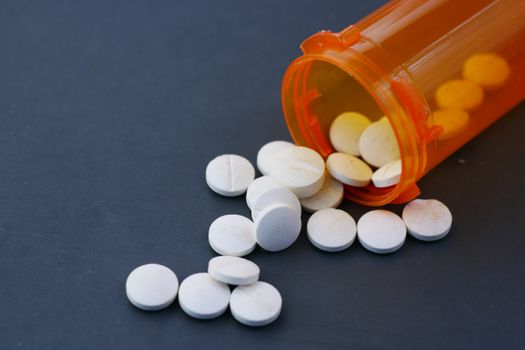 Photo: Towfiqu barbhuiya / Pexels
Essential Tips for a Smooth Blood Test Experience
 Photo: Tahir Xəlfəquliyev / Pexels
Comparison
| Preparation Aspect | Fasting Blood Test | Non-Fasting Blood Test | Specific Hormone Test |
|---|---|---|---|
| Food/Drink Restriction | Strict 8-12 hr fast (water only) | No specific restrictions | May have specific dietary instructions |
| Medication Review | Crucial; discuss all with doctor | Important; discuss all with doctor | Extremely critical; may require timing adjustments |
| Hydration | ✓ (Plain water encouraged) | ✓ (Normal hydration) | ✓ (Normal hydration) |
| Exercise Avoidance | Recommended 24 hrs prior | Generally recommended 24 hrs prior | May be specifically required/avoided |
| Timing of Test | Often early morning | Any time of day | Often specific time (e.g., morning) |
What Readers Say
"This guide on how to prepare for a blood test was incredibly helpful. I always get nervous, but understanding the fasting and hydration rules made a huge difference. My blood draw was smooth and stress-free!"
Sarah J. · Austin, TX"I used to just guess with blood tests. Following the advice here, especially about medications and supplements, ensured my results were accurate. My doctor even commented on how well-prepared I was."
Mark D. · Chicago, IL"I had to do a fasting cholesterol test, and this article walked me through everything. I drank plenty of water, avoided alcohol, and my veins were so easy to find, no multiple pokes! Highly recommend."
Emily R. · Seattle, WA"The information on how to prepare for a blood test was thorough. While I still get a little anxious, the tips for communication and distraction definitely helped ease my mind during the process."
David L. · Miami, FL"As someone with a chronic condition, I have frequent blood tests. This guide's detailed breakdown of medication interactions and lifestyle factors is invaluable for ensuring my results are always reliable."
Jessica M. · Denver, COFrequently Asked Questions
What does 'fasting' really mean for a blood test?
Fasting for a blood test typically means refraining from consuming any food or drink, except for plain water, for 8 to 12 hours before the test. This ensures that levels of glucose, cholesterol, and other substances are not artificially altered by recent food intake, providing a more accurate baseline for diagnosis.
Can I drink coffee or tea during a fast before a blood test?
No, you should not drink coffee or tea during a fast before a blood test. Even black coffee or unsweetened tea can stimulate your digestive system, affect blood sugar levels, or contain compounds that interfere with test results. Only plain water is permitted during a fasting period.
How do I know if my medication will interfere with my blood test results?
Always discuss all your medications, including over-the-counter drugs and supplements, with your doctor or the lab before your blood test. They can advise you on whether any adjustments are needed or if the medication's impact will be considered when interpreting your results. Never stop prescribed medication without medical advice.
Is there a cost associated with blood tests, and does preparation affect it?
The cost of blood tests varies widely depending on your insurance coverage, the specific tests ordered, and the lab. Preparation itself doesn't directly affect the cost of the test, but improper preparation leading to inaccurate results might necessitate a retest, potentially incurring additional charges. Always check with your insurance provider and the lab about potential costs.
How does preparing for a blood test compare to preparing for other medical procedures?
Blood test preparation is generally less involved than for more invasive procedures like colonoscopies or surgeries, which often require extensive dietary restrictions, bowel preparations, or anesthesia protocols. However, diligent blood test preparation is equally critical for obtaining accurate diagnostic information, similar to how proper preparation ensures successful outcomes in other medical contexts.
Who should be extra careful when preparing for a blood test?
Individuals with diabetes, pregnant women, those on specific medications (e.g., blood thinners, thyroid hormones), or people with a history of fainting or severe anxiety during blood draws should be extra careful. Always consult your doctor for personalized advice if you fall into these categories to ensure safety and accuracy.
Are there any risks if I don't prepare properly for a blood test?
The main risk of improper blood test preparation is inaccurate results. This can lead to misdiagnosis, unnecessary further testing, delayed treatment, or incorrect treatment plans, potentially impacting your health. In some cases, not following instructions (e.g., not fasting for certain tests) may even result in the lab being unable to perform the test, requiring a repeat visit.
Will blood test preparation methods change in the future?
As medical technology advances, some blood tests may become less sensitive to dietary or lifestyle factors, potentially reducing preparation requirements. However, the fundamental principles of ensuring accurate biomarker levels will likely remain. Future trends might include more at-home testing with simpler preparation, but doctor consultation will always be key for complex diagnostics.
Mastering how to prepare for a blood test is a crucial step towards taking control of your health. By diligently following these guidelines, you empower yourself with accurate results, enabling your doctor to make the best possible decisions for your well-being. Don't leave your health to chance – prepare wisely for your next blood test.