✓ Stress management and adequate sleep play vital roles in maintaining healthy blood pressure.
How It Works
1
Assess Your Current Health
Consult with your doctor to understand your current blood pressure levels, risk factors, and any underlying conditions. This forms the baseline for your natural approach.
2
Implement Dietary Changes
Focus on a diet rich in fruits, vegetables, whole grains, and lean proteins, while significantly reducing sodium, processed foods, and unhealthy fats. The DASH diet is a prime example.
3
Embrace Regular Activity
Incorporate at least 150 minutes of moderate-intensity aerobic exercise or 75 minutes of vigorous activity per week. Consistency is key for sustained blood pressure reduction.
4
Manage Stress & Sleep
Integrate stress-reducing techniques like meditation or yoga, and prioritize 7-9 hours of quality sleep nightly. Chronic stress and sleep deprivation directly impact blood pressure.
Understanding Hypertension: The Silent Killer
Photo: Lucas Oliveira / Pexels
High blood pressure, or hypertension, affects nearly half of all adults in the United States, often without obvious symptoms. It's dubbed the 'silent killer' because it can lead to severe health complications like heart attack, stroke, kidney disease, and vision loss if left unmanaged. Understanding what constitutes high blood pressure is the first step toward effective management. A normal blood pressure reading is generally considered to be below 120/80 mmHg. When the top number (systolic) consistently reads 130 or higher, or the bottom number (diastolic) consistently reads 80 or higher, you are likely dealing with hypertension. There are various stages of hypertension, from elevated to stage 2, and even hypertensive crisis, each requiring different levels of intervention. While medication is a common and often necessary treatment, a significant number of individuals can make substantial progress in lowering their blood pressure naturally through targeted lifestyle modifications. This article delves deep into these natural strategies, providing you with actionable steps to regain control over your cardiovascular health. It's crucial to remember that natural approaches should always be discussed with your healthcare provider, especially if you are already on medication, as they can complement, but not always replace, prescribed treatments. The goal is to empower you with knowledge and tools to take an active role in your health journey, emphasizing prevention and sustainable well-being. Knowing your numbers, understanding your family history, and recognizing the risk factors are foundational to addressing hypertension effectively. Factors such as age, genetics, obesity, a sedentary lifestyle, high sodium intake, excessive alcohol consumption, and chronic stress all contribute to the development of high blood pressure. By identifying which of these factors apply to you, you can tailor your natural intervention strategies more effectively. For a deeper dive into heart health, consider exploring resources on preventing cardiovascular disease. Taking a proactive stance against hypertension can not only improve your quality of life but also significantly extend it, reducing your reliance on pharmaceutical interventions over time. This comprehensive approach ensures that you're addressing the root causes, not just the symptoms, of elevated blood pressure, paving the way for lasting health improvements. This foundational understanding sets the stage for implementing the powerful natural strategies we will explore, ensuring you approach your health with informed decisions and realistic expectations. Remember, consistency and patience are key in this journey.
Dietary Powerhouses: Eating Your Way to Lower Blood Pressure
Photo: Michelle Leman / Pexels
The food you consume daily is one of the most potent tools you have to influence your blood pressure. The Dietary Approaches to Stop Hypertension (DASH) diet is a prime example of an eating plan specifically designed to lower blood pressure. It emphasizes fruits, vegetables, whole grains, lean protein, and low-fat dairy, while significantly limiting saturated and trans fats, cholesterol, sodium, and added sugars. Adopting a DASH-like diet can yield significant results, often within weeks. A cornerstone of this approach is reducing sodium intake. The average American consumes far too much sodium, largely from processed foods, restaurant meals, and packaged snacks. Aim for no more than 2,300 milligrams (mg) of sodium per day, and ideally, reduce it to 1,500 mg for even greater benefits, especially if you have existing hypertension. Learning to read food labels and opting for fresh, unprocessed ingredients are vital steps. Conversely, increasing your intake of potassium-rich foods can help counteract the effects of sodium. Potassium helps your body excrete sodium and relaxes blood vessel walls, both contributing to lower blood pressure. Excellent sources include bananas, avocados, spinach, sweet potatoes, and white beans. Magnesium and calcium are also minerals that play a role in blood pressure regulation. Incorporate leafy greens, nuts, seeds, and legumes for magnesium, and dairy, fortified plant milks, and sardines for calcium. Beyond these minerals, the overall composition of your diet matters. Focus on fiber-rich foods like whole grains (oats, brown rice, quinoa), fruits with their skins, and a wide array of vegetables. Fiber not only aids digestion but also contributes to satiety, helping with weight management, which is another critical factor in blood pressure control. Omega-3 fatty acids, found in fatty fish like salmon, mackerel, and sardines, as well as in flaxseeds and walnuts, have anti-inflammatory properties and can help improve blood vessel function. Consider incorporating these into your weekly meals. Limiting alcohol consumption is also important; excessive alcohol can raise blood pressure. For men, this means no more than two drinks per day, and for women, no more than one. By consciously choosing nutrient-dense foods and being mindful of portion sizes, you can transform your diet into a powerful ally against high blood pressure. This dietary overhaul is not about deprivation but about making informed choices that nourish your body and support optimal cardiovascular health. Sustainable changes, rather than drastic temporary ones, are what truly make a difference in the long run. Embracing a vibrant, plant-forward diet can be both delicious and incredibly effective in your journey to lower blood pressure naturally.
The Power of Movement: Exercise and Weight Management
Photo: Ketut Subiyanto / Pexels
Regular physical activity is one of the most effective non-pharmacological interventions for lowering blood pressure. When you exercise, your heart becomes stronger and more efficient at pumping blood, which reduces the force on your arteries, thereby lowering your blood pressure. Aim for at least 150 minutes of moderate-intensity aerobic exercise per week, or 75 minutes of vigorous-intensity exercise. This could include brisk walking, jogging, cycling, swimming, or dancing. Consistency is paramount; irregular bursts of activity won't yield the same sustained benefits. Breaking up your activity into shorter, manageable chunks throughout the day can also be effective – for instance, three 10-minute walks can be as beneficial as one 30-minute session. Beyond aerobic exercise, incorporating strength training at least two days a week is also important. Building muscle mass can help improve your metabolism and contribute to weight management, which is closely linked to blood pressure control. Examples include lifting weights, using resistance bands, or doing bodyweight exercises like push-ups and squats. Remember to warm up before and cool down after each workout session to prevent injuries. Weight management goes hand-in-hand with exercise. Being overweight or obese significantly increases your risk of developing high blood pressure. Losing even a small amount of weight – say, 5 to 10 pounds – can have a noticeable impact on your blood pressure numbers. This is because excess weight requires your heart to work harder to pump blood throughout your body, putting extra strain on your arteries. Combining a healthy diet with regular exercise creates a synergistic effect, making weight loss more achievable and sustainable. It's not just about the number on the scale; it's about reducing visceral fat, the fat stored around your organs, which is particularly detrimental to heart health. Consider joining a walking group, trying a new sport, or using a fitness tracker to help motivate you and monitor your progress. The key is to find activities you enjoy, making exercise a sustainable part of your lifestyle rather than a chore. Consult your doctor before starting any new exercise regimen, especially if you have existing health conditions. For more strategies on staying active, check out our guide on easy ways to boost daily activity. The benefits extend beyond blood pressure control, encompassing improved mood, better sleep, and increased energy levels. Making movement a priority is a powerful step towards holistic health and successfully managing your blood pressure naturally.
Stress Reduction & Quality Sleep: Unsung Heroes of Blood Pressure Control
Photo: Mikhail Nilov / Pexels
While diet and exercise are widely recognized for their impact on blood pressure, the roles of stress management and adequate sleep are often underestimated. Chronic stress triggers your body's 'fight or flight' response, releasing hormones like adrenaline and cortisol that temporarily constrict blood vessels and increase heart rate, leading to elevated blood pressure. Over time, persistent stress can contribute to long-term hypertension. Incorporating stress-reducing techniques into your daily routine is therefore crucial. Practices like mindfulness meditation, deep breathing exercises, yoga, or tai chi can help calm your nervous system and promote relaxation. Even simple acts like spending time in nature, listening to soothing music, or engaging in hobbies you enjoy can significantly lower stress levels. The goal is to find what works best for you and make it a consistent part of your life. Prioritizing quality sleep is equally vital. When you sleep, your blood pressure naturally drops. If you don't get enough restorative sleep, your blood pressure stays elevated for a longer period, putting strain on your cardiovascular system. Adults typically need 7 to 9 hours of sleep per night. Poor sleep hygiene, such as irregular sleep schedules, excessive screen time before bed, or consuming caffeine and alcohol late in the day, can disrupt this natural process. Establishing a consistent sleep schedule, creating a dark, quiet, and cool sleep environment, and avoiding heavy meals close to bedtime can greatly improve your sleep quality. Sleep deprivation can also lead to weight gain by affecting hormones that regulate appetite, further complicating blood pressure management. Furthermore, conditions like sleep apnea, where breathing repeatedly stops and starts during sleep, are strongly linked to high blood pressure. If you suspect you have sleep apnea, it's essential to consult a doctor for diagnosis and treatment. Addressing sleep issues can have a profound positive impact on your blood pressure readings and overall health. By consciously integrating stress management techniques and ensuring sufficient, high-quality sleep, you are not just addressing symptoms but tackling fundamental contributors to hypertension. These practices empower your body's natural ability to regulate blood pressure, fostering a sense of calm and well-being that extends far beyond just your cardiovascular system. Remember, a holistic approach to health means nurturing both your physical and mental states.
Supplements, Monitoring, and Common Mistakes to Avoid
While lifestyle changes form the bedrock of lowering blood pressure naturally, certain supplements may offer additional support, though they should always be discussed with your doctor. Popular options include potassium, magnesium, coenzyme Q10 (CoQ10), and omega-3 fatty acids. Potassium can help balance sodium levels, magnesium contributes to blood vessel relaxation, CoQ10 is an antioxidant that may improve endothelial function, and omega-3s are known for their anti-inflammatory effects. However, supplements are not a magic bullet and should not replace dietary or lifestyle modifications. Their effectiveness can vary, and some may interact with medications. Always prioritize getting nutrients from whole foods first. Regular home monitoring of your blood pressure is another critical component. An accurate home blood pressure monitor allows you to track your progress, identify patterns, and share valuable data with your doctor. Ensure you use a validated cuff that fits properly and measure your blood pressure at the same time each day, following recommended guidelines for accurate readings. This empowers you to see the real-time impact of your natural interventions.
Here are some common mistakes to avoid on your journey to lower blood pressure naturally:
* **Expecting Instant Results:** Blood pressure changes take time. Be patient and consistent with your efforts.
* **Ignoring Doctor's Advice:** Natural methods complement, but do not replace, professional medical guidance, especially if you're on medication.
* **Over-reliance on Supplements:** View supplements as an adjunct, not a primary treatment. Focus on diet and lifestyle first.
* **Sporadic Efforts:** Consistency in diet, exercise, and stress management is key for sustained benefits.
* **Not Addressing Underlying Conditions:** Other health issues like sleep apnea or kidney disease can impact blood pressure and need specific medical attention.
* **Excessive Alcohol/Caffeine:** These can temporarily or chronically elevate blood pressure. Moderation is crucial.
By being mindful of these pitfalls and maintaining open communication with your healthcare provider, you can optimize your natural approach to blood pressure management and achieve lasting health improvements.
Comparison
Feature
DASH Diet
Mediterranean Diet
Low-Carb Diet
Sodium Focus
Very Low
Moderate
Varies
Fruits & Veggies
High
High
Moderate
Whole Grains
High
Moderate
Low/None
Lean Protein
✓
✓
✓
Healthy Fats
✓
✓
✓
Processed Foods
✗
✗
✗
What Our Readers Say
5★★★★★
"After struggling with elevated blood pressure for years, I committed to the DASH diet and daily walks. My doctor was amazed; my readings are consistently in the normal range now, and I feel so much more energetic. It truly works!"
Sarah J.Austin, TX
5★★★★★
"Reducing my sodium intake and starting meditation have been game-changers. My blood pressure dropped from pre-hypertensive to healthy levels within three months. I sleep better too!"
Mark D.Chicago, IL
5★★★★★
"I used to rely on medication, but with my doctor's guidance, I integrated more exercise and stress management. My blood pressure is now controlled with significantly less medication, a concrete result I'm thrilled with."
Emily R.Denver, CO
4★★★★☆
"The dietary changes were challenging at first, especially cutting back on salty snacks. However, the consistent effort paid off, and my blood pressure has improved. It's a journey, but worth it."
James P.Miami, FL
5★★★★★
"As someone with a family history of hypertension, I started these natural methods preventatively. My blood pressure has always remained healthy, even under stress. It's a fantastic preventative strategy."
Laura S.Seattle, WA
Frequently Asked Questions
What is the fastest way to lower blood pressure naturally?
While there's no single 'fastest' way, a combination of immediate sodium reduction, engaging in brisk walking daily, and practicing deep breathing exercises can show results relatively quickly. However, sustainable, long-term changes across diet, exercise, and stress management are essential for lasting benefits and should be prioritized over quick fixes.
Can blood pressure be lowered naturally if it's very high?
If your blood pressure is very high (e.g., stage 2 hypertension or higher), natural methods alone may not be sufficient, and medication is often necessary to prevent serious complications. However, even in these cases, lifestyle changes can significantly complement medication, potentially reducing dosage or number of medications over time. Always consult your doctor before attempting to manage very high blood pressure naturally.
How much exercise is needed to lower blood pressure?
Most health organizations recommend at least 150 minutes of moderate-intensity aerobic activity (like brisk walking) or 75 minutes of vigorous-intensity activity (like jogging) per week. Additionally, incorporating strength training exercises at least two days a week can provide further benefits. Consistency is more important than intensity for sustained blood pressure reduction.
Is it expensive to lower blood pressure naturally?
No, lowering blood pressure naturally can be very cost-effective. It primarily involves dietary changes (often reducing expensive processed foods in favor of fresh produce), incorporating free physical activities like walking, and practicing free stress-reduction techniques. While some may choose supplements or gym memberships, these are not prerequisites for success.
How do natural methods compare to prescription medications for blood pressure?
Natural methods are often the first line of defense for elevated or stage 1 hypertension and can be highly effective, sometimes even normalizing blood pressure. For higher stages of hypertension, medications are typically prescribed to rapidly reduce risk. Natural methods can work synergistically with medications, potentially allowing for lower dosages or fewer drugs, but should never replace prescribed medication without a doctor's approval.
Who should use how to lower blood pressure naturally?
Anyone with elevated blood pressure, stage 1 hypertension, or those looking to prevent high blood pressure should consider natural methods. Individuals already on medication for hypertension can also benefit greatly by incorporating these strategies, always under the guidance of their healthcare provider, to potentially enhance effects or reduce medication needs.
Are there any risks associated with lowering blood pressure too much naturally?
It's rare to lower blood pressure 'too much' through natural means alone, especially if you're starting from an elevated state. However, if you are also taking blood pressure medication, combining it with aggressive natural methods could potentially lead to hypotension (blood pressure that is too low), causing dizziness or fainting. Regular monitoring and doctor consultation are crucial to avoid this.
What role will technology play in monitoring natural blood pressure management?
Technology is increasingly vital for monitoring natural blood pressure management. Smart blood pressure monitors can track readings, graph trends, and share data with healthcare providers. Wearable devices can monitor activity levels, sleep patterns, and even stress metrics, providing valuable insights into how lifestyle changes impact overall cardiovascular health. Apps can also help track diet and exercise.
Embark on your journey to a healthier heart today. By embracing these natural strategies, you can take powerful steps to lower blood pressure naturally and significantly improve your long-term well-being. Consult your doctor, make informed choices, and commit to a lifestyle that supports optimal cardiovascular health.

 Photo: Puwadon Sang-ngern / Pexels
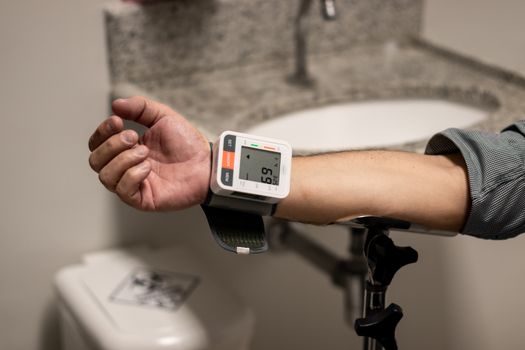 Photo: Lucas Oliveira / Pexels
 Photo: Michelle Leman / Pexels
 Photo: Ketut Subiyanto / Pexels
 Photo: Mikhail Nilov / Pexels