✓ Florida's medical marijuana program requires physician recommendation.
✓ Patients must be diagnosed with a qualifying condition by a certified physician.
✓ The application process is entirely online through the OMMU registry.
✓ Cards are valid for one year and require annual renewal.
✓ Patients can designate a caregiver to assist with their medical cannabis needs.
How It Works
1
Consult a Qualified Physician
Find a physician certified by the Florida Office of Medical Marijuana Use (OMMU) to recommend medical cannabis. This doctor will evaluate your condition and medical history.
2
Receive Physician Recommendation
If the physician determines you have a qualifying condition, they will enter your information into the state's Medical Marijuana Use Registry. This creates your patient profile.
3
Apply to the OMMU
Once your profile is in the registry, you can submit your application online to the OMMU. This includes providing proof of residency, a photo, and paying the application fee.
4
Receive Your MMJ Card
After your application is approved, the OMMU will mail your physical medical marijuana card. You can typically access dispensaries with your approval email before the card arrives.
Understanding Florida's Medical Marijuana Program and Qualifying Conditions
Photo: Pavel Danilyuk / Pexels
Florida's journey to legalizing medical marijuana has been a significant one, culminating in the compassionate use act that allows patients with specific debilitating conditions to access cannabis for therapeutic purposes. Understanding the foundational elements of this program is the crucial first step for anyone looking to obtain a medical marijuana card in Florida. The state's Office of Medical Marijuana Use (OMMU) oversees the entire process, from certifying physicians to issuing patient cards and regulating dispensaries. Their primary goal is to ensure safe and regulated access for eligible patients.
The core of Florida's program revolves around qualifying conditions. These are specific medical diagnoses that, according to state law, warrant the use of medical cannabis. Initially, the list was somewhat restrictive, but over time, it has expanded to include a broader range of debilitating ailments. Some of the primary qualifying conditions include cancer, epilepsy, glaucoma, HIV/AIDS, Crohn's disease, Parkinson's disease, and multiple sclerosis. These conditions are considered chronic and often involve severe pain, nausea, seizures, or other symptoms that conventional treatments may not adequately address. Beyond these specific diagnoses, Florida law also includes a crucial provision for 'other debilitating medical conditions of the same kind or class as or comparable to those enumerated.' This clause provides a pathway for physicians to recommend medical cannabis for conditions not explicitly listed, provided they are similar in severity and impact to the enumerated conditions. This often requires a more thorough explanation and justification from the recommending physician, highlighting the importance of finding an experienced and knowledgeable doctor.
Furthermore, patients suffering from chronic nonmalignant pain resulting from one of the qualifying conditions or that originates from a qualifying condition and persists beyond the usual course of that condition are also eligible. This broadens the scope significantly, allowing many individuals struggling with persistent pain to seek relief through medical cannabis. It's important to note that the chronic pain must be 'debilitating' and not merely a mild discomfort. The physician’s role in assessing the severity and impact of the condition on the patient's daily life is paramount. They must establish a bona fide physician-patient relationship, conduct a thorough medical evaluation, and determine that the benefits of medical cannabis outweigh the potential risks. This initial consultation is not just about checking boxes; it's a comprehensive assessment of your health and suitability for medical cannabis treatment. The OMMU maintains a strict registry of qualified physicians, ensuring that only doctors who have completed specific training and registered with the state can recommend medical marijuana. This stringent oversight aims to protect patients and maintain the integrity of the program. Patients should always verify that their chosen physician is indeed registered with the OMMU. For more details on the specific conditions and program regulations, visiting the OMMU website is highly recommended. Understanding these foundational aspects will significantly streamline your process on how to get a medical marijuana card in Florida.
The Step-by-Step Application Process for Your Florida MMJ Card
Photo: Gustavo Fring / Pexels
Once you've established that you have a qualifying condition, the practical steps to apply for your medical marijuana card in Florida begin. This process, while straightforward, requires attention to detail and adherence to OMMU guidelines. The journey typically starts with finding a qualified physician. Not just any doctor can recommend medical cannabis; they must be licensed in Florida and have completed a specific 2-hour continuing medical education course approved by the Florida Medical Association or Florida Osteopathic Medical Association. The OMMU provides a public registry of these qualified physicians, which is an excellent resource for patients seeking a doctor in their area. It's advisable to research and choose a physician who has experience with medical cannabis recommendations and a deep understanding of its therapeutic applications for various conditions.
During your initial consultation, the physician will review your medical records, conduct a physical examination, and discuss your symptoms, previous treatments, and how cannabis might benefit your condition. This is a critical step where the doctor assesses if your condition meets the state's criteria for medical marijuana use. If they determine you qualify, they will then create a patient profile for you in the Medical Marijuana Use Registry (MMUR). This profile will include your personal information, qualifying condition, and the physician's recommendation, specifying the type and amount of cannabis products you are approved to receive. It's important to maintain regular follow-up appointments with your recommending physician, typically every 70 days, to ensure continuous eligibility and adjust your treatment plan as needed. The physician will issue new orders for your cannabis supply during these visits, which are essential for continued dispensary access.
After your physician has entered your information into the MMUR, you, the patient, are responsible for completing the official application to the OMMU. This application is submitted online through the OMMU's patient portal. You will need to provide proof of Florida residency, which can be a Florida driver's license or identification card. If you are a seasonal resident, specific documentation is required, such as a utility bill, deed, or rental agreement, along with proof of your temporary presence in the state. You will also need to upload a passport-style photograph that meets specific criteria – it must be a clear, recent photo with a plain background. A non-refundable application fee of $75 (plus a convenience fee if paying online) is also required at the time of submission. The OMMU typically processes applications within 10 business days of receiving all required documents and payment. Once approved, you will receive an approval email, which serves as a temporary card allowing you to purchase medical cannabis from licensed dispensaries while you await your physical card in the mail. The physical card usually arrives within a few weeks. Remember that the card is valid for one year and must be renewed annually by submitting a new application and fee, along with a current physician recommendation. Staying organized with your documents and appointments will ensure a smooth and uninterrupted medical cannabis journey in Florida.
Navigating Dispensaries and Understanding Medical Cannabis Products in Florida
Photo: Terrance Barksdale / Pexels
Once you have successfully obtained your medical marijuana card in Florida, the next step is understanding how to navigate the state's regulated dispensary system and the various types of medical cannabis products available. Florida's medical cannabis market is vertically integrated, meaning the same licensed organizations cultivate, process, and dispense cannabis. This ensures quality control and product consistency across their various locations. There are numerous licensed Medical Marijuana Treatment Centers (MMTCs), commonly known as dispensaries, located throughout the state. You can find a list of these licensed dispensaries on the OMMU website, often categorized by region, making it easier to locate one near you. It's advisable to visit a few different dispensaries, if possible, to compare product offerings, prices, and the level of patient education provided by their staff. Many dispensaries also offer online ordering for pickup or even delivery services, adding convenience for patients.
When you visit a dispensary, you will need to present your physical medical marijuana card and a valid photo ID. The staff, known as 'dispensary technicians' or 'budtenders,' are trained to assist patients with product selection based on their physician's recommendations and personal needs. They can explain the different product types, their effects, and how to use them safely. Florida's program has specific regulations regarding the forms of medical cannabis allowed. Currently, patients can access cannabis in various forms, including oils, tinctures, edibles, capsules, vaporizable products (flower, concentrates), and topicals. Smoking whole flower was initially prohibited but has since been legalized, offering patients another popular consumption method. Each product type offers a different onset time, duration of effect, and method of administration, which can significantly impact your therapeutic experience. For instance, edibles and capsules tend to have a longer onset but extended duration, while vaporized flower or concentrates offer rapid relief.
It's crucial to understand the terminology used in dispensaries, such as THC (tetrahydrocannabinol) and CBD (cannabidiol). THC is the primary psychoactive component of cannabis, responsible for the 'high' sensation, while CBD is non-psychoactive and often sought for its anti-inflammatory, anti-anxiety, and pain-relieving properties. Dispensary products will clearly label their THC and CBD content, allowing patients to choose products with the desired cannabinoid profile. Your recommending physician will typically provide guidance on appropriate dosages and product types, and it's important to adhere to their recommendations. Furthermore, Florida law sets limits on the amount of medical cannabis a patient can purchase within a 70-day period. These limits are tracked by the OMMU registry, and dispensaries will verify your remaining allotment before completing a sale. Patients should also be aware of the legal restrictions on where they can consume medical cannabis, which generally aligns with public smoking laws. Understanding these aspects will empower you to make informed decisions and optimize your treatment plan after successfully figuring out how to get a medical marijuana card in Florida.
Common Mistakes to Avoid and Tips for a Smooth Renewal Process
Photo: MART PRODUCTION / Pexels
Navigating the medical marijuana program in Florida, while designed to be user-friendly, still presents potential pitfalls that can delay or complicate your access to medicine. Being aware of these common mistakes and adopting best practices can ensure a smooth experience. One frequent error is failing to maintain regular follow-up appointments with your recommending physician. Florida law requires patients to be re-evaluated by their physician at least once every 70 days for continued orders. Missing these appointments means your physician cannot issue new recommendations, which will prevent you from purchasing cannabis at dispensaries. Mark these dates on your calendar and schedule them in advance. Another common oversight is not keeping track of your card's expiration date. Your medical marijuana card is valid for one year from the date of approval and must be renewed annually. The OMMU does send renewal reminders, but it’s best to submit your renewal application approximately 45 days before expiration to avoid any lapse in coverage. This gives the OMMU ample time to process your application and send your new card.
Incorrect documentation during the application or renewal process is another significant hurdle. Ensure your proof of residency is current and meets OMMU requirements. If using a Florida ID, verify it's not expired. For seasonal residents, all required supporting documents must be submitted. Your photograph must also meet the specified passport-style criteria; blurry or improperly cropped photos are often rejected. Double-check all personal information entered into the online portal for accuracy, as even minor discrepancies can cause delays. Furthermore, some patients make the mistake of not understanding their purchase limits. Florida sets specific maximum amounts for different forms of cannabis that can be purchased within a 70-day period. Exceeding these limits, or attempting to, will be flagged by the OMMU registry and could lead to issues. Always check your remaining allotment with your dispensary or through your OMMU patient portal before making a purchase.
For a truly seamless experience, consider these tips: First, keep all your medical records organized, especially those pertaining to your qualifying condition. This makes the initial physician consultation much more efficient. Second, communicate openly and honestly with your recommending physician about your symptoms, cannabis use, and any effects you experience. This allows them to tailor your treatment plan effectively. Third, familiarize yourself with the OMMU patient portal. It’s your central hub for checking application status, viewing your active orders, and initiating renewals. Fourth, don't hesitate to ask questions at dispensaries. The staff are there to help you understand products and consumption methods. Finally, remember that while medical cannabis is legal in Florida, federal laws still classify it as a Schedule I controlled substance. This means there are certain restrictions, such as not being able to possess firearms if you are a registered medical marijuana patient under federal guidelines, and restrictions on interstate travel with cannabis. By avoiding these common mistakes and following these tips, you can ensure a smooth and continuous journey as a medical marijuana patient in Florida, leveraging the therapeutic benefits the program offers.
Comparison
Feature
Florida Medical Marijuana Card
Recreational Cannabis (Future)
CBD Products (Over-the-counter)
Legal Status
Legal for qualified patients
Not yet legal
Legal for all adults
Requires Doctor's Recommendation
✓
✗
✗
Access to THC Products
✓ (Regulated)
✓ (Likely higher potency)
✗ (Trace amounts only)
State Registry
✓
✗
✗
Age Requirement
18+ (or minor with parental consent)
21+ (Likely)
18+ (Varies by product)
Product Regulation
Strictly regulated by OMMU
Likely regulated by state agency
Less regulated than MMJ
Cost
Doctor fees + state application fee
Product costs + taxes
Product costs
Conditions Covered
Specific qualifying conditions
No condition required
No condition required
What Readers Say
★★★★★
"Getting my medical marijuana card in Florida was much easier than I anticipated thanks to a great doctor. The online application was straightforward, and I received my approval email within a week, which allowed me to get relief quickly for my chronic pain."
Sarah J. · Orlando, Florida
★★★★★
"The process for getting my Florida MMJ card was very clear. My physician helped me understand all the steps, and the OMMU website was easy to navigate for the application. It's truly changed my quality of life."
David M. · Miami, Florida
★★★★★
"I was approved for my medical marijuana card in Florida for my epilepsy, and the impact has been profound. The entire process, from finding a doctor to getting my card, took about three weeks, allowing me to access effective treatment."
Jessica L. · Tampa, Florida
★★★★★
"While the process for getting my medical marijuana card in Florida was mostly smooth, the wait time for the physical card felt a bit long. However, the temporary approval email was a lifesaver, allowing me to visit dispensaries right away."
Robert K. · Jacksonville, Florida
★★★★★
"As a caregiver for my elderly mother, the process to get her medical marijuana card in Florida was very supportive. The OMMU's guidelines for caregivers were clear, and we were able to get her approved quickly, giving her much-needed relief."
Maria P. · Fort Lauderdale, Florida
Frequently Asked Questions
What are the primary qualifying conditions to get a medical marijuana card in Florida?
Primary qualifying conditions include cancer, epilepsy, glaucoma, HIV/AIDS, Crohn's disease, Parkinson's disease, multiple sclerosis, and chronic nonmalignant pain. The law also includes 'other debilitating medical conditions of the same kind or class as' those listed, allowing for physician discretion in certain cases.
Is the application process for a Florida medical marijuana card difficult or time-consuming?
The application process is generally straightforward and can be completed online. The most time-consuming part is often scheduling the initial physician consultation and gathering your medical records. Once submitted, the OMMU typically processes applications within 10 business days.
How do I find a qualified medical marijuana doctor in Florida?
The Florida Office of Medical Marijuana Use (OMMU) provides a public registry of qualified physicians on their website. You can search this database to find licensed doctors who have completed the required training and are authorized to recommend medical cannabis.
What is the cost associated with getting a medical marijuana card in Florida?
Costs typically include a physician consultation fee (which varies by clinic, usually $150-$300 for the initial visit and less for renewals) and a non-refundable $75 state application fee (plus a convenience fee if paying online) to the OMMU.
Can I use my Florida medical marijuana card in other states?
No, a Florida medical marijuana card is only valid within the state of Florida. Medical marijuana laws vary significantly by state, and cannabis remains federally illegal, meaning you cannot legally transport medical cannabis across state lines, even to other states where it is legal.
Who should consider getting a medical marijuana card in Florida?
Anyone suffering from a qualifying debilitating medical condition or chronic nonmalignant pain who has not found adequate relief through conventional treatments should consider consulting a qualified physician. It offers a legal pathway to alternative therapeutic options.
Are there any risks or side effects associated with medical marijuana use?
Like any medication, medical marijuana can have side effects, including dizziness, dry mouth, altered perception, and impaired coordination. It's crucial to discuss potential risks and interactions with your physician, especially if you are on other medications, to ensure safe use.
What does the future hold for medical marijuana in Florida, and could recreational use be legalized?
The medical marijuana program in Florida continues to evolve, with ongoing discussions about expanding qualifying conditions and improving patient access. There are efforts to legalize recreational cannabis, which could be on future ballots, potentially changing the landscape for adult-use cannabis in the state.
Ready to explore the therapeutic benefits of medical cannabis? Understanding how to get a medical marijuana card in Florida is your first step towards legal access and improved quality of life. Consult a qualified physician today and begin your journey to relief.
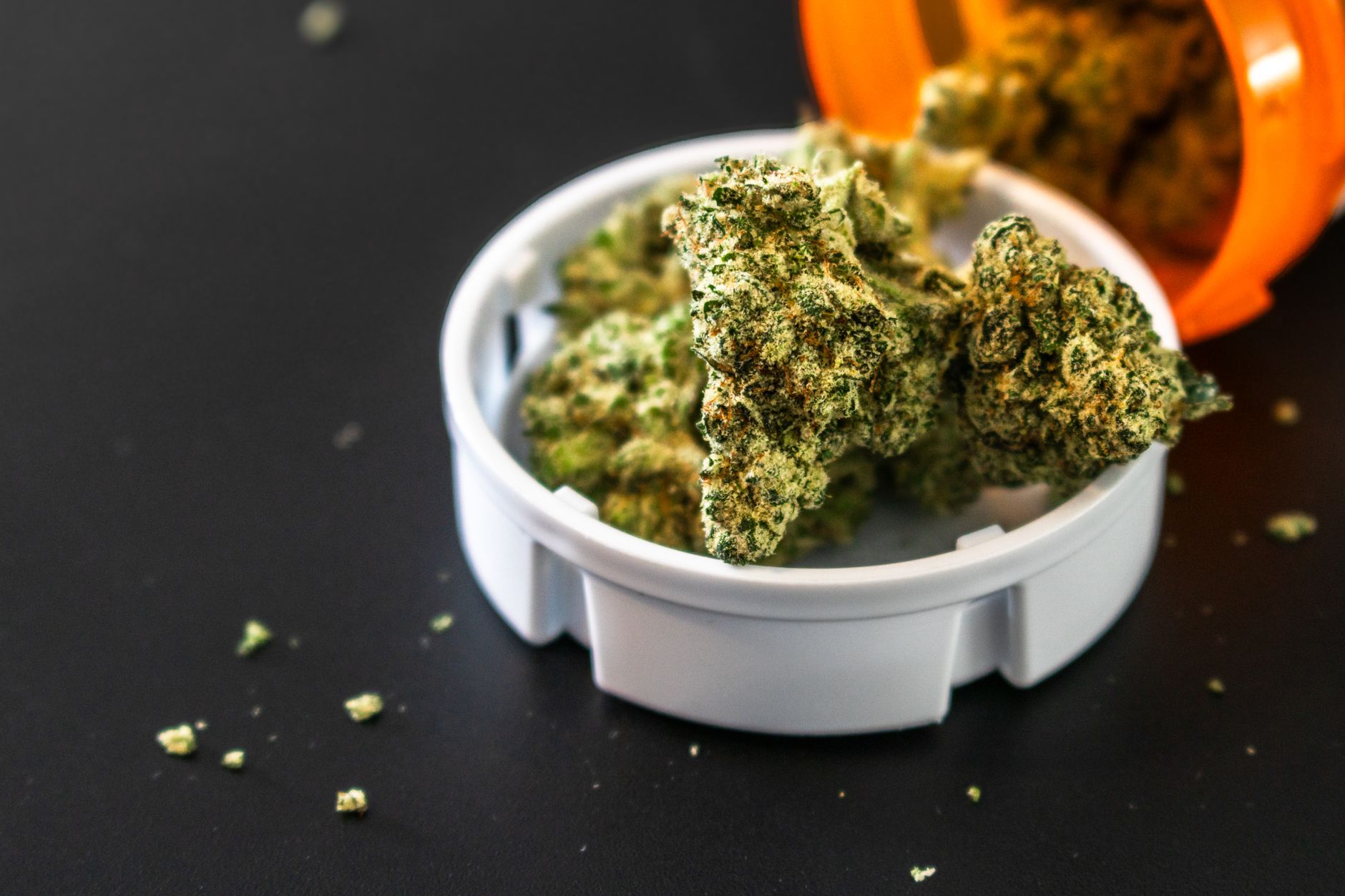
 Photo: Pavel Danilyuk / Pexels
 Photo: Gustavo Fring / Pexels
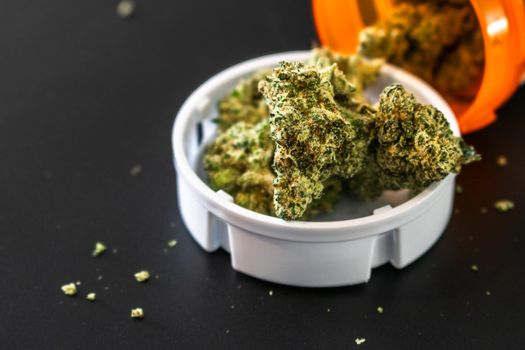 Photo: Terrance Barksdale / Pexels
 Photo: MART PRODUCTION / Pexels