Find a Dermatologist Near Me for Acne: Your Clear Skin Guide
find a dermatologist near me for acne

Find a Dermatologist Near Me for Acne: Your Clear Skin Guide

Unlock the secret to a blemish-free complexion with expert dermatological care tailored to your unique skin needs.

Find Your Expert Now

Key Takeaways

  • ✓ Acne affects up to 50 million Americans annually, making it the most common skin condition.
  • ✓ Early intervention by a dermatologist can prevent permanent scarring and hyperpigmentation.
  • ✓ Beyond topical creams, dermatologists offer advanced treatments like oral medications, chemical peels, and laser therapy.
  • ✓ The cost of a dermatology visit for acne can range from $100-$300, often covered by insurance.

How It Works

1
Assess Your Acne Severity

Understand if your acne is mild, moderate, or severe. This helps in communicating your needs to a potential dermatologist and setting expectations.

2
Research Local Dermatologists

Utilize online directories, insurance company websites, and peer recommendations. Look for board-certified professionals with experience in acne treatment.

3
Schedule a Consultation

Book an initial appointment to discuss your concerns, medical history, and treatment goals. Prepare questions to ask about their approach.

4
Develop a Personalized Treatment Plan

Work with your dermatologist to create a comprehensive plan that may include topical treatments, oral medications, in-office procedures, and lifestyle adjustments.

Understanding Acne: When to Seek Professional Help

A doctor evaluates a patient's skin condition in a clinical setting with appropriate medical attire. Photo: Pavel Danilyuk / Pexels
Acne is far more than just a superficial skin condition; it's a complex inflammatory disorder of the pilosebaceous unit, affecting millions of people across the United States. While many individuals experience occasional breakouts, persistent or severe acne can significantly impact self-esteem, lead to permanent scarring, and signal underlying health issues. Knowing when to transition from over-the-counter remedies to professional dermatological care is crucial for effective management and long-term skin health. If you've tried various drugstore products without success for several weeks or months, or if your acne is painful, deep, cystic, or leaving behind dark spots or scars, it's a strong indicator that you need to find a dermatologist. A dermatologist is a medical doctor specializing in conditions of the skin, hair, and nails. Their expertise extends beyond simply treating pimples; they can accurately diagnose the type of acne you have (e.g., comedonal, papular, pustular, nodular, cystic) and identify contributing factors such as hormonal imbalances, genetics, diet, stress, or certain medications. This comprehensive understanding allows them to formulate a targeted treatment plan that addresses the root cause, not just the symptoms. For instance, cystic acne, characterized by large, painful, pus-filled lesions deep beneath the skin's surface, almost always requires prescription medication and professional intervention to prevent severe scarring. Similarly, adult acne, which often appears in women in their 20s, 30s, or even 40s, may require a different approach than adolescent acne, often involving hormonal therapies. Beyond diagnosis, dermatologists offer a range of advanced treatments unavailable over the counter. These can include prescription-strength topical retinoids, oral antibiotics, isotretinoin (Accutane), hormonal therapies, chemical peels, microdermabrasion, laser therapy, and corticosteroid injections for inflamed cysts. They also provide crucial guidance on proper skincare routines, product selection, and lifestyle modifications that can complement medical treatments. The psychological impact of acne should also not be underestimated. Chronic acne can lead to anxiety, depression, and social withdrawal. A dermatologist can not only improve your skin but also significantly enhance your quality of life and mental well-being by providing solutions and support. Delaying professional care can exacerbate the condition, making it harder to treat and increasing the risk of irreversible skin damage. Therefore, if you're asking yourself, "Should I find a dermatologist near me for acne?" and are experiencing any of the aforementioned symptoms, the answer is a resounding yes.

Navigating Your Search: How to Find the Best Dermatologist for Acne

Crop concentrated professional senior male physician in white robe with stethoscope standing in modern hospital hallway and reading medical case records in daylight Photo: Gustavo Fring / Pexels
Finding the right dermatologist is a critical step in your journey toward clear skin. The process can feel daunting, but with a structured approach, you can identify a specialist who is well-suited to your specific needs. Start by utilizing online directories and review platforms. Websites like the American Academy of Dermatology (AAD) 'Find a Dermatologist' tool, Zocdoc, Healthgrades, and Vitals allow you to search for board-certified dermatologists in your area, filter by specialty (like acne), and read patient reviews. Pay close attention to reviews that specifically mention successful acne treatment outcomes, the doctor's communication style, and office efficiency. A doctor who listens attentively and explains treatment options clearly is invaluable. Another excellent resource is your primary care physician (PCP). Your PCP can often provide referrals to trusted dermatologists within your healthcare network. They have an understanding of your overall health history, which can be helpful in selecting a specialist. Don't hesitate to ask friends, family, or colleagues for recommendations, especially if they've had positive experiences with acne treatment. Personal referrals often lead to finding compassionate and effective practitioners. Once you have a list of potential dermatologists, verify their credentials. Ensure they are board-certified by the American Board of Dermatology. This certification signifies that they have met rigorous standards of education, training, and experience. You can usually check this on the AAD website or the dermatologist's practice website. Also, consider their experience with different types of acne. Some dermatologists may have a particular interest or expertise in adult acne, cystic acne, or acne scarring. Their practice website or an initial phone call to the office can often provide this information. Logistics are also an important consideration. Check if the dermatologist accepts your health insurance plan. Understanding your insurance coverage, including co-pays, deductibles, and out-of-pocket maximums, before your first appointment can prevent unexpected bills. Location and office hours are also practical factors. A conveniently located office with flexible appointment times can make it easier to adhere to your treatment plan, especially if follow-up visits are frequent. Finally, don't be afraid to schedule initial consultations with a couple of different dermatologists to find one with whom you feel comfortable and confident. The patient-doctor relationship is key to successful treatment, and finding a dermatologist who you trust and can communicate openly with is paramount when you find a dermatologist near me for acne.

What to Expect: Your First Visit and Treatment Options for Acne
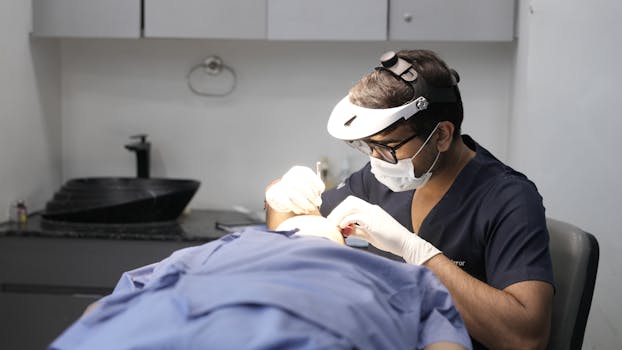
A dermatologist conducts a skin treatment on a patient in a modern clinic setting. Photo: Dr. Haror's Wellness / Pexels
Your first visit to a dermatologist for acne is an important step towards achieving clearer skin. Knowing what to expect can help you prepare and make the most of your appointment. Typically, the visit will begin with a comprehensive medical history intake. Be prepared to discuss your current and past acne issues, including when it started, what treatments you've tried (both over-the-counter and prescription), any family history of acne, and other relevant medical conditions or medications you are taking. It's also helpful to mention your skincare routine, diet, and lifestyle factors that you believe might be contributing to your acne. Don't be shy about discussing the emotional impact acne has had on your life; this helps the dermatologist understand the full scope of your needs. Next, the dermatologist will perform a thorough examination of your skin, not just your face, but also your chest, back, and any other areas where you experience breakouts. They will assess the type, severity, and distribution of your acne lesions, looking for whiteheads, blackheads, papules, pustules, nodules, and cysts. They will also check for signs of scarring, hyperpigmentation (dark spots), or inflammation. Based on this examination and your medical history, they will provide a diagnosis and discuss potential contributing factors. This is where their expertise truly shines, as they can differentiate acne from other skin conditions that might mimic its appearance. Once a diagnosis is made, your dermatologist will outline a personalized treatment plan. This plan is often multi-faceted and may evolve over time. Common treatment options include: * **Topical Medications:** These are applied directly to the skin and include retinoids (tretinoin, adapalene), benzoyl peroxide, salicylic acid, and topical antibiotics (clindamycin, erythromycin). They work by reducing oil production, unclogging pores, and killing acne-causing bacteria. * **Oral Medications:** For moderate to severe acne, oral treatments may be prescribed. These can include oral antibiotics (doxycycline, minocycline) to reduce inflammation and bacteria, hormonal therapies (birth control pills, spironolactone) for hormonal acne, and isotretinoin (Accutane), a powerful retinoid reserved for severe, persistent, or scarring acne. * **In-Office Procedures:** Dermatologists offer various procedures to enhance acne treatment and address scarring. These include chemical peels, microdermabrasion, light and laser therapies (e.g., blue light therapy, pulsed dye laser for redness), extractions of blackheads and whiteheads, and corticosteroid injections for painful cysts. Your dermatologist will explain the benefits, risks, and expected outcomes of each recommended treatment, as well as how to properly use them. They will also discuss follow-up appointments to monitor your progress and adjust the treatment plan as needed. Remember, acne treatment is often a journey, and patience and consistency are key to achieving lasting results. Don't hesitate to ask questions about anything you don't understand, or to voice any concerns you might have about the proposed plan. A good dermatologist will ensure you are an active participant in your own care. Learn more about acne treatments.

Common Mistakes to Avoid When Treating Acne (and How Your Dermatologist Helps)

Close-up of a young woman with afro expressing a pensive mood against a green background. Photo: Tima Miroshnichenko / Pexels
When dealing with acne, it's easy to fall into common pitfalls that can worsen your condition or prolong the healing process. A dermatologist's guidance is invaluable in helping you steer clear of these mistakes and achieve better outcomes. Here are some frequent errors and how professional help can make a difference: * **Over-Exfoliating and Over-Washing:** Many people believe that scrubbing their skin vigorously or washing it multiple times a day will get rid of acne faster. In reality, this can irritate the skin, strip its natural oils, and trigger more breakouts. A dermatologist will recommend a gentle cleansing routine and appropriate exfoliants that won't compromise your skin barrier. * **Picking and Popping Pimples:** This is perhaps the most common and damaging mistake. Picking at blemishes can push bacteria deeper into the skin, leading to increased inflammation, infection, and, most importantly, permanent scarring and hyperpigmentation. Your dermatologist can offer safe extraction methods or treatments that reduce the need to pick. * **Relying Solely on DIY Remedies:** While some natural remedies might offer mild benefits, they are often insufficient for moderate to severe acne and can even cause adverse reactions. Dermatologists provide evidence-based treatments and can integrate complementary approaches safely. * **Stopping Treatment Too Soon:** Acne treatment requires consistency and patience. Many individuals stop using products or medications once their skin starts to clear, only to experience a relapse. Your dermatologist will emphasize the importance of maintenance therapy and guide you through the full course of treatment. * **Ignoring Sun Protection:** Many acne treatments, especially retinoids and certain oral medications, can make your skin more sensitive to the sun. Failing to use broad-spectrum sunscreen daily can lead to sunburn, worsening hyperpigmentation, and increased risk of skin cancer. Your dermatologist will stress the importance of sun protection. * **Using Too Many Products Simultaneously:** Overloading your skin with multiple active ingredients from different products can lead to irritation, dryness, and a compromised skin barrier. A dermatologist will curate a streamlined and effective regimen tailored to your skin's specific needs. * **Not Addressing Underlying Causes:** Sometimes acne is a symptom of an underlying issue, such as hormonal imbalances (PCOS), diet sensitivities, or stress. While topical treatments help, addressing the root cause is crucial for long-term clarity. A dermatologist can help identify these factors and coordinate care with other specialists if needed. By consulting a dermatologist, you gain access to expert knowledge, prescription-strength solutions, and personalized advice that helps you avoid these common mistakes, leading to a more effective and sustainable path to clear skin.

Comparison

FeatureDermatologist VisitOver-the-Counter (OTC) ProductsOnline Telehealth Consultation
Acne Severity Best ForModerate to Severe, Cystic, Hormonal, ScarringMild Acne, Occasional BreakoutsMild to Moderate Acne, Follow-ups
Treatment OptionsPrescription Topicals, Oral Meds, Procedures (Peels, Lasers)Salicylic Acid, Benzoyl Peroxide, RetinolsPrescription Topicals, Oral Meds (limited)
Personalized Diagnosis✓ (Virtual Exam)
Cost (Initial)$100-$300 (often insurance covered)$10-$50$50-$150 (some insurance covered)
Scarring & PigmentationTreats & PreventsLimited PreventionLimited Treatment, Some Prevention
Access to Advanced Procedures

What Readers Say

"I was desperate to find a dermatologist near me for my stubborn adult acne. Dr. Lee was amazing, she listened to all my concerns and finally got my skin under control after years of struggling."

Sarah J. · Austin, TX

"My cystic acne was painful and embarrassing. The team at Dermatology Associates provided a clear treatment plan that completely transformed my skin. I wish I had gone sooner!"

Michael D. · Chicago, IL

"After trying every product on the market, I decided to find a dermatologist near me for acne. Dr. Chen prescribed a combination therapy that cleared my complexion within three months, and my confidence is back!"

Jessica L. · Miami, FL

"The wait time was a bit long, but Dr. Rodriguez was very thorough and knowledgeable about my persistent breakouts. The treatment plan is working, and my skin is steadily improving, so it was worth it."

David K. · Seattle, WA

"As a teenager, my acne felt like the end of the world. My parents found a dermatologist near me for acne, and Dr. Garcia made me feel so comfortable. My skin is so much clearer now, and I feel great."

Emily R. · Denver, CO

Frequently Asked Questions

What is the typical cost of seeing a dermatologist for acne without insurance?

Without insurance, an initial consultation with a dermatologist for acne can range from $100 to $300. Follow-up visits are typically less expensive, ranging from $75 to $200. The cost can vary based on your location, the dermatologist's experience, and the complexity of your case. It's always best to call the clinic beforehand to inquire about their self-pay rates and payment plans.

How long does it usually take to see results from dermatologist-prescribed acne treatments?

Patience is key with acne treatment. While some improvements might be noticeable within a few weeks, significant and lasting results typically take 2 to 3 months, and sometimes longer for more severe cases or specific treatments like isotretinoin. Consistency in following your dermatologist's plan is crucial for optimal outcomes.

How can I find a dermatologist who specializes in my type of acne (e.g., cystic, hormonal)?

When searching for a dermatologist, look for those who mention 'acne' or 'medical dermatology' as an area of focus on their website or professional profiles. You can also call their office and ask if the doctor has particular expertise or a strong interest in treating cystic, hormonal, or adult acne. Patient reviews often highlight a doctor's strengths in these specific areas.

Are there any affordable options if I don't have good insurance or limited funds?

Yes, there are several options. You can look for dermatologists who offer sliding scale fees, payment plans, or participate in community health clinics. Some pharmaceutical companies also have patient assistance programs for prescription medications. Telehealth services can sometimes be a more affordable initial consultation option, though in-person visits are often necessary for comprehensive care.

What's the difference between a dermatologist and an esthetician for acne?

A dermatologist is a medical doctor who diagnoses and treats skin diseases, including all forms of acne, and can prescribe medications and perform medical procedures. An esthetician is a licensed skincare professional who provides cosmetic treatments like facials, extractions, and peels, but cannot diagnose medical conditions or prescribe medication. For persistent or severe acne, a dermatologist is essential.

Who should consider seeing a dermatologist for their acne?

Anyone experiencing persistent acne that doesn't respond to over-the-counter treatments, painful or deep acne (cysts, nodules), acne that leaves scars or dark spots, or acne that significantly impacts their self-esteem should see a dermatologist. Early intervention can prevent permanent damage and improve quality of life.

Are there risks associated with prescription acne medications?

Like all medications, prescription acne treatments can have side effects. These vary depending on the medication and can range from dryness and irritation with topical retinoids to sun sensitivity with oral antibiotics, or more serious risks with isotretinoin (e.g., birth defects, liver function changes). Your dermatologist will discuss all potential risks and monitor you closely throughout treatment to ensure your safety.

What innovations are on the horizon for acne treatment?

The field of dermatology is continuously evolving. Emerging treatments include novel topical agents targeting specific acne pathways, advanced laser and light therapies with enhanced precision, and personalized medicine approaches based on individual genetic and microbiome profiles. Research is also ongoing into vaccine development for acne-causing bacteria and new hormonal modulators, promising even more effective and targeted solutions in the future.

Don't let acne control your life any longer. Take the proactive step to find a dermatologist near me for acne and begin your journey to healthier, clearer skin. Expert care is within reach – schedule your consultation today and invest in your skin's future.

Topics: find a dermatologist near me for acneacne treatment specialistbest dermatologists for acnecystic acne doctoradult acne solutions
Leo List

IE Escorts NO Escorts US Escorts NZ Escorts AU Escorts
Brampton weed
Adultwork EstrelaBet Vai de Bet R7 Bet Betão Galera Bet Rainbet Bet9ja Shop SportyBet BetKing Sisal Loto Foot Hollywoodbets YesPlay Odibets RushBet Jugabet BetWarrior BetCity MSport betPawa Fortebet