Cost of MRI Scan Without Insurance: Your Guide
cost of MRI scan without insurance

Cost of MRI Scan Without Insurance: Your Guide

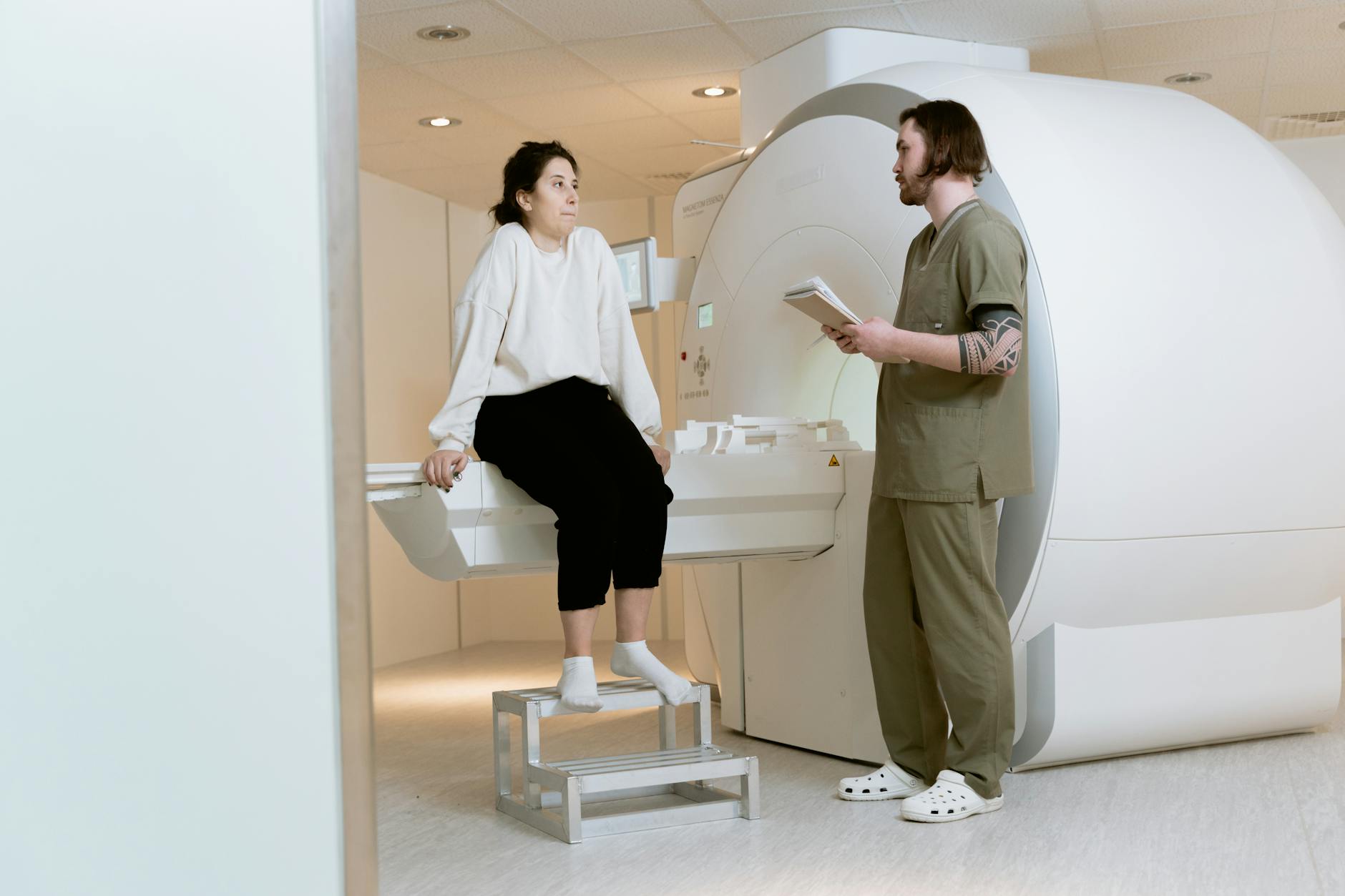
A patient consults with a technician in a modern MRI room, highlighting advanced healthcare facilities.Photo: MART PRODUCTION / Pexels

Cost of MRI Scan Without Insurance: Your Guide to Affordability

Navigate the complexities of MRI pricing when uninsured and find pathways to accessible, high-quality care.

Find Affordable MRI Options

Key Takeaways

  • ✓ The average cash price for an MRI in the US can range from $400 to over $10,000, varying widely by location and facility type.
  • ✓ Specific MRI types (e.g., brain, spine, joint) and whether contrast is used significantly impact the final cost.
  • ✓ Negotiating cash prices, seeking out imaging centers, and exploring patient assistance programs are key strategies for the uninsured.
  • ✓ Price transparency tools and websites can help compare costs before scheduling an MRI.

How It Works

1
Understand Your MRI Need

Confirm with your doctor which specific MRI (e.g., brain, knee, with or without contrast) is required. This clarity is crucial for accurate price comparisons.

2
Research & Compare Costs

Utilize online price comparison tools, directly call various imaging centers and hospitals, and ask for cash or self-pay prices. Don't be afraid to negotiate.

3
Explore Financial Assistance

Inquire about payment plans, financial aid programs, or discounts for upfront payment. Some facilities offer sliding scale fees based on income.

4
Schedule & Prepare

Once you've found an affordable option, schedule your MRI. Ensure you understand any pre-scan instructions, such as fasting or medication adjustments.

Unpacking the True Cost of an MRI Without Insurance
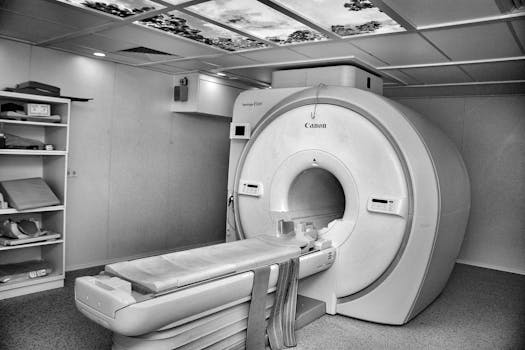
Black and white image of a modern MRI machine in a hospital room with overhead ceiling art.Photo: sirmudi_photography / Pexels
Navigating the healthcare system in the United States without insurance can feel like an insurmountable challenge, especially when faced with diagnostic tests like an MRI. The cost of an MRI scan without insurance is not a fixed number; it's a dynamic figure influenced by a multitude of factors, making it difficult for individuals to anticipate and budget for. Understanding these variables is the first step toward finding an affordable solution. The average cash price for an MRI can swing dramatically, from a few hundred dollars to well over ten thousand, depending on where you live, the type of facility performing the scan, and the specific body part being imaged. For instance, an MRI of the brain with contrast will almost certainly be more expensive than a knee MRI without contrast. This variability underscores the importance of diligent research and comparison shopping. Hospitals, particularly large academic medical centers, tend to have the highest prices due to their extensive overheads, emergency services, and advanced technology. Freestanding imaging centers, on the other hand, often offer significantly lower cash prices because they specialize solely in diagnostic imaging and have lower operating costs. These centers are often a hidden gem for the uninsured, providing the same high-quality imaging at a fraction of the hospital's price. The geographical location also plays a significant role. Major metropolitan areas with higher costs of living and greater demand for services typically see higher MRI prices compared to rural areas. Even within the same city, prices can vary widely from one facility to another, sometimes by hundreds or even thousands of dollars for the exact same procedure. Furthermore, the complexity of the MRI itself impacts the cost. An MRI with contrast, which involves injecting a special dye to enhance the visibility of certain tissues or abnormalities, adds to the expense due to the cost of the contrast agent and the additional time required for administration and imaging. The number of body parts scanned also matters; a full body MRI, while less common, would naturally be more costly than a targeted scan of a single joint. For those without insurance, the sticker shock can be substantial. However, it's crucial to remember that the initial price quoted is often not the final price you have to pay. Many facilities offer discounts for self-pay patients, especially if you are willing to pay upfront or negotiate. It's not uncommon for a facility to offer a 20-50% discount off their standard billed charges for uninsured individuals paying cash. Always ask for the 'cash price' or 'self-pay rate' rather than the 'billed charge' – these are distinct terms with different implications for your out-of-pocket expense. Understanding these nuances is empowering. It transforms a seemingly overwhelming cost into a manageable financial decision, paving the way for necessary medical care without crippling debt. By being an informed consumer, you can significantly reduce the financial burden of an MRI. For more information on understanding medical billing, you might find this guide to medical billing codes helpful.

Strategies for Finding Affordable MRI Scans as an Uninsured Patient

A healthcare worker in PPE using a laptop for remote work, symbolizing modern medicine and digital innovation.Photo: Gustavo Fring / Pexels
Being uninsured doesn't mean you're left without options when it comes to vital diagnostic imaging like an MRI. In fact, there are several proactive strategies you can employ to significantly reduce the cost of an MRI scan without insurance. The key is to be an informed and persistent advocate for yourself. First and foremost, never accept the first price you're quoted. Always ask for the 'cash price' or 'self-pay rate.' Many hospitals and imaging centers have a different, lower fee schedule for patients who are paying out-of-pocket and not going through an insurance company. This is because they avoid the administrative hassle and delayed payments often associated with insurance claims. It’s not uncommon for these cash prices to be 30-50% less than the rates billed to insurance. Don't be afraid to negotiate. Healthcare costs, especially for elective or scheduled procedures, are often negotiable. You can politely explain your financial situation and inquire about any further discounts for paying upfront or in full. Some facilities may have a budget for financial assistance or charity care, particularly non-profit hospitals. Ask if you qualify for any such programs based on your income. Another powerful strategy is to utilize price comparison websites and tools. There are several platforms designed to help consumers compare medical procedure costs in their area. Websites like Healthcare Bluebook, New Choice Health, and MDsave allow you to search for specific procedures, including various types of MRIs, and see price ranges from different providers. These tools can help you identify facilities that offer more competitive rates for uninsured patients. Always double-check these prices directly with the facility, as online information can sometimes be outdated. Furthermore, prioritize freestanding imaging centers over hospital-based facilities. As mentioned earlier, these specialized centers often have lower overheads and can pass those savings on to patients. They perform the same high-quality diagnostic imaging, often with newer equipment and shorter wait times, but at a significantly reduced cost compared to a large hospital system. When calling different facilities, be specific about the type of MRI you need (e.g., MRI of the lumbar spine with contrast). This ensures you get an accurate quote. Ask if the quoted price includes all components: the technical fee (for the use of the machine and staff) and the professional fee (for the radiologist's interpretation of the images). Sometimes, these are billed separately, leading to unexpected additional costs. Payment plans are another avenue to explore. If an upfront cash payment is still too high, inquire if the facility offers interest-free payment plans. Breaking down the total cost into manageable monthly installments can make a significant difference in accessibility. Lastly, consider looking into patient advocacy groups or local non-profits. Some organizations exist specifically to help uninsured individuals navigate the healthcare system and find affordable care or financial assistance for medical procedures. These groups can offer invaluable guidance and resources. By combining these strategies, you empower yourself to find a more affordable cost of MRI scan without insurance, ensuring you get the diagnostic care you need without facing insurmountable financial hardship.

Understanding MRI Types and Their Impact on Uninsured Costs

Close-up of lined up vaccine vials casting shadows, symbolizing medical advancements and health.Photo: Thirdman / Pexels
The specific type of MRI scan prescribed by your doctor plays a substantial role in determining the cost of an MRI scan without insurance. It’s not a one-size-fits-all procedure; different body parts and imaging protocols carry different price tags. Being aware of these distinctions can help you get a more accurate quote and avoid surprises. The most common types of MRIs include scans of the brain, spine (cervical, thoracic, or lumbar), joints (knee, shoulder, hip, ankle, wrist), abdomen, pelvis, and breast. Each of these requires specific imaging sequences and takes varying amounts of time, which directly impacts the technical fee. For instance, a brain MRI, often used to diagnose conditions like tumors, strokes, or multiple sclerosis, can be one of the more expensive scans due to its complexity and the critical nature of the organ. Spinal MRIs, particularly if multiple sections of the spine are imaged, also tend to be on the higher end of the cost spectrum. Joint MRIs, while still significant, can sometimes be less expensive than brain or extensive spinal scans, especially if only a single joint is being examined. A crucial factor influencing cost is the use of a contrast agent, typically Gadolinium. An MRI 'with contrast' involves an intravenous injection of this dye to highlight certain tissues, blood vessels, or abnormalities more clearly. While contrast can be essential for accurate diagnosis in many cases (e.g., detecting certain types of tumors or inflammation), it adds to the overall expense. The cost of the contrast material itself, plus the additional time and medical personnel required for its administration, will increase the price compared to an MRI 'without contrast' or a 'non-contrast' study. When obtaining quotes, always specify whether your doctor has ordered an MRI with or without contrast, or both. Sometimes, a physician may order an MRI 'with and without contrast,' meaning the scan is performed twice, once before and once after the contrast injection, further increasing the cost and complexity. Another factor is the type of MRI machine. While most modern MRIs are high-field (1.5 Tesla or 3 Tesla), some facilities may offer 'open MRI' machines. These are often used for patients with claustrophobia or those who are very large. While they can be more comfortable, open MRIs sometimes have lower magnetic field strengths, which can affect image quality for certain diagnoses. The cost difference between open and closed MRIs can vary, but it's another point to clarify when comparing prices. The duration of the scan also contributes to the cost. A complex MRI that takes 60-90 minutes will naturally cost more than a simpler scan lasting 20-30 minutes, as it ties up the equipment and staff for a longer period. Always ask for an estimated duration of the scan when getting a quote. Finally, consider if your doctor has ordered a 'multiparametric MRI' (mpMRI), often used for prostate cancer detection, or a 'functional MRI' (fMRI) for brain activity mapping. These are highly specialized MRIs that require advanced protocols and interpretation, making them significantly more expensive than standard diagnostic MRIs. By understanding these distinctions and clearly communicating your specific MRI needs, you can get a more accurate and transparent cost estimate, which is vital for managing the cost of MRI scan without insurance. For more detailed information on different medical procedures, you can visit this resource on diagnostic imaging.

Tips for Reducing Costs and Avoiding Common Mistakes

A person's hand holding a pen writing in a spiral notebook, focused on penmanship and note-taking.Photo: cottonbro studio / Pexels
When facing the cost of an MRI scan without insurance, smart planning and avoiding common pitfalls can save you significant money and stress. Here are essential tips and mistakes to avoid: **Tips for Cost Reduction:** * **Get a Written Quote:** Always ask for a written, itemized quote that includes both the technical and professional fees. This prevents surprise bills later. * **Verify Your Doctor's Order:** Ensure the facility has the exact MRI order from your doctor. Any discrepancy could lead to the wrong scan or an unnecessary additional scan. * **Ask About Package Deals:** Some imaging centers offer bundled pricing for common procedures, especially if you need multiple scans or follow-ups. * **Consider Medical Tourism (for non-urgent cases):** For very high-cost or complex MRIs, some individuals consider traveling to countries where medical procedures are significantly cheaper. This is not for urgent cases and requires careful planning. * **Explore Patient Assistance Programs:** Many pharmaceutical companies offer programs to help with the cost of contrast agents if they are a significant portion of your bill. * **Check for Charity Care Policies:** Non-profit hospitals are legally required to have charity care policies. If your income is below a certain threshold, you might qualify for free or reduced-cost care. * **Negotiate Payment Plans:** If you can't pay upfront, ask for an interest-free payment plan. Many facilities prefer to receive payments over time rather than not at all. **Common Mistakes to Avoid:** * **Not Asking for the Cash Price:** Assuming the first price quoted is the only price is a major mistake. Always specify you are uninsured and ask for the self-pay or cash rate. * **Ignoring Freestanding Imaging Centers:** Many uninsured patients automatically go to a hospital, missing out on significantly lower costs at independent imaging facilities. * **Not Confirming What's Included:** A quote might only cover the technical fee. Always ask if the radiologist's reading fee (professional fee) is included to avoid a separate bill. * **Waiting Until the Last Minute:** For non-emergency MRIs, rushing into the first available appointment without comparing prices can cost you hundreds or thousands of dollars. * **Not Questioning the Necessity:** While your doctor is the expert, if you're unsure about the necessity of a specific MRI, politely ask for clarification or a second opinion, especially if the cost is prohibitive. * **Paying Without a Discount:** Never pay the full, unsubsidized 'billed charge' if you're uninsured. There is almost always a lower cash price available. * **Not Documenting Conversations:** Keep a record of who you spoke with, when, and what prices or terms were discussed. This is crucial if disputes arise.

Comparison

FeatureFreestanding Imaging CenterHospital-Based ImagingUrgent Care with Imaging
Average Cash Price (Uninsured)$400 - $2,000$1,500 - $10,000+$800 - $3,000
SpecializationDiagnostic Imaging OnlyComprehensive Medical ServicesMinor Illness/Injury
Negotiation PotentialHighMediumLow to Medium
Wait Times for AppointmentsShortLongerVariable
Radiologist ExpertiseHighly SpecializedBroad RangeGeneral

What Our Readers Say

5 ★★★★★

"I needed a knee MRI after an injury and had no insurance. I called three freestanding centers and two hospitals. The cash price varied from $700 to $3,500! I ended up paying $750 at an imaging center after negotiating, which was a huge relief."

5 ★★★★★

"The cost of an MRI scan without insurance for my back was daunting. I used an online price comparison tool and found a facility offering a self-pay discount. They also let me set up a 6-month payment plan, which made it manageable."

5 ★★★★★

"After a scary diagnosis, I needed a brain MRI with contrast. The hospital quoted me over $6,000. I found an independent imaging center that did it for $1,800 cash price, including the radiologist's fee. The quality of care was excellent, too."

4 ★★★★☆

"It was tough to find a clear price for an MRI without insurance. I wish more places were transparent. I eventually found a clinic that was upfront about their cash price, and while still expensive, it was significantly less than the hospital's quote."

5 ★★★★★

"My doctor ordered an abdominal MRI, and I was panicking about the cost. I followed the advice to call around and ask for the 'cash price.' I saved over $2,000 by choosing a dedicated imaging facility over the hospital system."

Frequently Asked Questions

What is the average cost of an MRI scan without insurance in the US?
The average cost of an MRI scan without insurance in the US can range from approximately $400 to over $10,000. This wide range depends heavily on factors such as the specific body part being scanned, whether contrast dye is used, the type of facility (hospital vs. freestanding imaging center), and the geographical location. Research and comparison shopping are crucial for finding the best price.
Can I negotiate the price of an MRI if I don't have insurance?
Yes, absolutely. Many hospitals and imaging centers are willing to negotiate the price for uninsured patients, especially if you are paying out-of-pocket. Always ask for the 'cash price' or 'self-pay rate,' which is often significantly lower than the rates billed to insurance companies. Don't hesitate to politely inquire about further discounts for upfront payment or financial assistance programs.
How can I find imaging centers with lower prices for uninsured patients?
To find imaging centers with lower prices, start by using online price comparison tools like Healthcare Bluebook, New Choice Health, or MDsave. These platforms allow you to search for MRI costs in your area. Additionally, directly call various freestanding imaging centers (not hospitals) and ask for their specific cash or self-pay rates for the MRI your doctor has ordered.
Is an MRI with contrast more expensive than without contrast?
Yes, an MRI with contrast is generally more expensive than one without. The additional cost comes from the price of the contrast agent (typically Gadolinium), as well as the extra time and medical personnel required for its administration and the subsequent imaging sequences. Always clarify whether your doctor ordered an MRI with or without contrast when getting price quotes.
Are there financial assistance programs available for uninsured patients needing an MRI?
Yes, several options exist. Many non-profit hospitals have charity care policies or financial assistance programs for low-income uninsured patients. You can also inquire about interest-free payment plans directly with the imaging facility. Some patient advocacy groups or local health organizations may also offer resources or support for covering diagnostic imaging costs.
Who should consider an MRI without insurance?
Anyone requiring an MRI scan who does not have active health insurance coverage, or whose insurance deductible is so high that paying cash might be more cost-effective, should explore options for an MRI without insurance. This also applies to individuals whose insurance plan does not cover a particular type of MRI or has extremely high co-pays for diagnostic imaging.
Is it safe to get an MRI at a freestanding imaging center versus a hospital?
Yes, it is generally very safe to get an MRI at a freestanding imaging center. These centers specialize in diagnostic imaging and are often equipped with state-of-the-art MRI machines. They are staffed by certified radiologic technologists and the images are interpreted by board-certified radiologists, just like in a hospital setting. The quality and safety standards are typically comparable.
What are the future trends for MRI cost transparency for the uninsured?
Future trends point towards increased price transparency in healthcare. New federal regulations are pushing hospitals and insurance companies to make their pricing more accessible and understandable to consumers. This will likely lead to more robust online tools and a clearer understanding of the cost of MRI scan without insurance, empowering patients to make more informed decisions.

Navigating the cost of an MRI scan without insurance can be challenging, but with the right information and strategies, affordable options are within reach. Don't let the lack of insurance delay necessary diagnostic care. Empower yourself with knowledge, compare prices, and advocate for your financial well-being to access the medical imaging you need.

Topics: cost of MRI scan without insuranceMRI cost uninsuredaffordable MRI optionsMRI pricing transparencymedical imaging cost
Leo List
Brampton weed
Adultwork