Navigating the Cost of MRI Scan Without Insurance
July 12, 2026 16 min read 3,197 words
Unlock insights into MRI pricing for the uninsured and discover effective ways to access essential medical imaging affordably.
Find Affordable MRI
Understanding the True Cost of MRI Scan Without Insurance
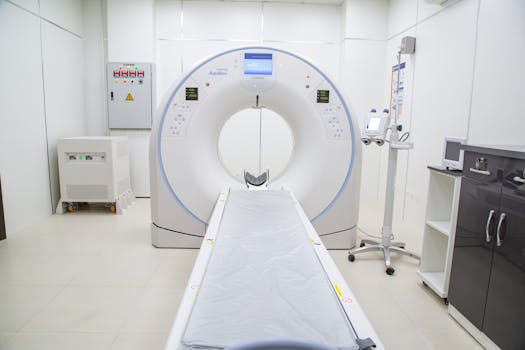 Photo: contact me +923323219715 / Pexels
Magnetic Resonance Imaging (MRI) is a powerful diagnostic tool that uses strong magnetic fields and radio waves to create detailed images of organs and soft tissues within the body. When faced with the need for an MRI, particularly without the safety net of health insurance, the question of 'cost of MRI scan without insurance' becomes a primary and often daunting concern. The reality is that the price of an MRI in the United States can vary dramatically, ranging from a few hundred dollars to several thousand, depending on a multitude of factors. It's not uncommon to see prices for a single MRI procedure fluctuate between $400 and $10,000 or even more, making it crucial for uninsured patients to understand what influences these costs.
Several key elements contribute to the final price tag. First, the specific body part being scanned plays a significant role. A brain MRI, for instance, might cost more than a knee MRI due to the complexity of interpretation and the duration of the scan. Secondly, whether the MRI requires a contrast agent (like Gadolinium) is another major factor. Contrast agents enhance the visibility of certain tissues or abnormalities but add to the overall expense, often by hundreds of dollars. The type of facility where the MRI is performed also has a substantial impact. Hospitals, especially large academic medical centers, typically have higher overheads and, consequently, higher prices than independent, freestanding imaging centers. These independent centers often specialize in imaging services, operating with a more streamlined cost structure that can translate into lower prices for patients, particularly those paying out-of-pocket. Location within the United States is another critical variable; an MRI in a major metropolitan area like New York City or Los Angeles will generally be more expensive than in a rural area or a state with a lower cost of living. Even within the same city, prices can differ significantly between providers. The machine itself, whether it's an open MRI for claustrophobic patients or a high-field strength machine, can also influence pricing. Open MRIs, while more comfortable for some, may sometimes be slightly more expensive due to their specialized nature or limited availability. Finally, the radiologist's fee for interpreting the images is usually a separate charge from the facility fee, though some quotes might bundle them. It is imperative to clarify whether the quoted 'cost of MRI scan without insurance' includes both the technical component (facility and machine use) and the professional component (radiologist interpretation) to avoid unexpected bills. Understanding these variables empowers uninsured patients to navigate the complex pricing landscape and seek more transparent and affordable options for their diagnostic needs. For more general information on medical costs, explore our article on
understanding healthcare expenses.
The absence of insurance means that the negotiating power and contractual rates that insurers command are not available to the individual. However, this does not mean that uninsured patients are left without recourse. In fact, many facilities are increasingly willing to offer cash pay discounts, prompt pay discounts, or even payment plans to individuals without insurance. This is because collecting directly from a patient, even at a reduced rate, can be more predictable and less administratively burdensome than dealing with insurance claims. Therefore, proactively asking for these options is a vital step in reducing the financial burden. The key is to be an informed consumer, ready to ask the right questions and compare prices across different providers. Do not assume the first price you receive is the only price. Transparency in healthcare pricing is slowly improving, but it still requires active participation from the patient to uncover the best deals. Websites and services dedicated to price comparison for medical procedures can also be invaluable resources for those seeking to understand and reduce the cost of an MRI scan without insurance, helping to demystify the process and make essential diagnostic imaging accessible.
Strategies for Finding Affordable MRI Options for the Uninsured
 Photo: www.kaboompics.com / Pexels
For individuals needing an MRI without the benefit of insurance, proactive strategies are essential to mitigate the financial impact. The first and arguably most effective strategy is to shop around. Just as you would compare prices for a major purchase like a car or a television, comparing medical procedure costs is equally important, if not more so. Start by asking your referring physician if they have any recommendations for imaging centers known for their affordability or willingness to work with uninsured patients. Many doctors' offices have relationships with various facilities and can provide valuable insights. Once you have a list of potential providers, contact each one directly. When calling, be explicit that you are an uninsured, cash-paying patient. This distinction is crucial because facilities often have a different, lower fee schedule for cash payers compared to their standard billed charges to insurance companies.
When inquiring about the 'cost of MRI scan without insurance,' ask for an all-inclusive price. This means confirming that the quote covers not only the technical component (the use of the MRI machine and facility) but also the professional component (the radiologist's fee for reading and interpreting the images). An incomplete quote can lead to unexpected bills later. Some facilities might quote only the facility fee, leaving the radiologist's bill to arrive separately weeks later. Be clear about the specific MRI your doctor ordered, including the body part and whether contrast is needed, as these details directly impact the price. Don't be afraid to negotiate. Many independent imaging centers, and even some hospitals, have discretion to offer discounts, especially for upfront cash payments. They might offer a 'prompt pay discount' if you can pay the full amount at the time of service. If paying the full amount upfront isn't feasible, inquire about payment plans. Many facilities are willing to set up interest-free monthly installments to make the procedure more manageable.
Another powerful strategy involves exploring online price comparison tools and platforms. Several websites are dedicated to providing estimated costs for various medical procedures, including MRIs, in different geographic locations. These platforms often aggregate data from multiple providers and can give you a ballpark figure, helping you identify facilities that are generally more affordable. Some even allow you to book appointments directly at a pre-negotiated cash price. While these tools are helpful, always confirm the price directly with the facility before committing. Furthermore, consider seeking out non-profit hospitals or university teaching hospitals. While their initial billed rates might appear high, they sometimes have financial assistance programs or charity care policies for low-income, uninsured patients. It's worth inquiring about these programs, as they can significantly reduce or even cover the cost entirely if you meet their eligibility criteria. Lastly, if your situation is not urgent, you might have the luxury of waiting for specific promotional periods or negotiating during slower times for the facility, though this is less common for diagnostic imaging. By diligently applying these strategies, uninsured individuals can significantly reduce the cost of an MRI scan and access the necessary medical imaging without incurring crippling debt.
Factors Influencing MRI Pricing and How to Get the Best Deal
 Photo: Tima Miroshnichenko / Pexels
The variability in the 'cost of MRI scan without insurance' is not arbitrary; it's driven by a complex interplay of factors within the U.S. healthcare system. Understanding these factors can empower patients to make informed decisions and actively seek out more favorable pricing. Beyond the general influences like location and body part, deeper operational and market dynamics are at play. For instance, the type of MRI machine itself can affect the price. High-field MRI machines (e.g., 3T) offer superior image quality and faster scan times but are more expensive to purchase and maintain, leading to higher patient costs. Conversely, lower-field or open MRI machines might be slightly less expensive, though they may have trade-offs in image resolution or scan duration. The demand for MRI services in a particular area also impacts pricing; regions with fewer imaging centers or high patient volumes might see higher prices due to less competition.
Another significant factor is the distinction between hospital-based imaging departments and freestanding outpatient imaging centers. Hospitals typically have higher operating costs, including emergency services, inpatient care, and a broader range of specialists, which are often reflected in their imaging prices. Freestanding centers, on the other hand, focus solely on outpatient imaging, allowing them to operate more efficiently with lower overheads. This efficiency often translates into more competitive pricing for self-pay patients. When you're seeking to minimize the cost of an MRI scan without insurance, prioritizing these independent centers is usually a smart move. They are often more flexible with cash pricing and negotiation, as they directly compete for patients based on price and convenience. Always ask if the facility is hospital-owned or an independent entity.
To secure the best deal, start by asking for the 'cash price' or 'self-pay rate.' These terms signal to the provider that you are not going through insurance and are prepared to pay directly, often unlocking a different, lower price schedule. Explicitly state that you are shopping around and comparing prices. This can motivate facilities to offer their best possible rate to secure your business. Don't be shy about asking if they have any promotions or discounts available for uninsured patients. Sometimes, facilities run specials, particularly during slower periods or for specific types of scans. If you have a high-deductible health plan, but haven't met your deductible, you might still be considered a 'self-pay' patient for the purpose of getting a discounted rate, so it's worth exploring this avenue as well. Always get the quoted price in writing, including a breakdown of what's included (facility fee, radiologist fee, contrast if applicable), to prevent any billing surprises. This due diligence is critical for managing your healthcare expenses effectively. For more insights on navigating the broader healthcare system, consider reading our article on
patient advocacy in healthcare.
Finally, consider the timing of your MRI if it's not an emergency. Some facilities might be more willing to negotiate or offer discounts during off-peak hours or days when their machines are less busy. While not always possible, asking about availability during these times could potentially lead to a better rate. Also, be wary of any facility that refuses to provide a clear, all-inclusive price upfront. Transparency is a good indicator of a patient-friendly billing policy. If a facility seems evasive or unwilling to discuss pricing, it might be best to look elsewhere. The goal is not just to find a low price, but a transparent and comprehensive one that covers all aspects of the MRI procedure, ensuring you receive quality care without unexpected financial burdens. By understanding these underlying factors and employing these proactive strategies, uninsured patients can significantly reduce the cost of an MRI scan and make informed decisions about their medical imaging needs.
Avoiding Common Pitfalls and Maximizing Savings on MRI Scans
 Photo: Nicola Barts / Pexels
Navigating the 'cost of MRI scan without insurance' can be complex, and several common pitfalls can lead to higher-than-expected expenses or unnecessary stress. Being aware of these traps and knowing how to avoid them is crucial for maximizing your savings. One of the most frequent mistakes is not asking for an all-inclusive price. As mentioned, a quote might only cover the technical component (the scan itself) and exclude the professional component (the radiologist's interpretation). Always confirm that the quoted price includes both the facility fee and the radiologist's fee to avoid a separate, unexpected bill later.
Another pitfall is assuming that all facilities charge the same or are unwilling to negotiate. This is rarely the case, especially for uninsured patients. Many people are hesitant to negotiate medical bills, but facilities often have flexibility for cash payers. Don't be afraid to politely ask for a discount or inquire about a lower cash price. If one facility isn't flexible, another might be. Similarly, failing to explore independent imaging centers is a missed opportunity. These centers are often significantly cheaper than hospital-based imaging departments due to lower overheads and a focus on outpatient services.
**Tips for Maximizing Savings:**
* **Get Multiple Quotes:** Call at least three different facilities (hospitals, independent centers, university clinics) to compare prices for the exact MRI procedure your doctor ordered.
* **Ask for the Cash Price/Self-Pay Rate:** Be explicit about your uninsured status and intent to pay out-of-pocket. This often unlocks a different, lower price schedule.
* **Inquire About All-Inclusive Pricing:** Ensure the quote covers the facility fee, radiologist's interpretation, and any necessary contrast agents.
* **Negotiate:** Politely ask for discounts (e.g., prompt-pay, cash discount) or inquire about payment plans if upfront payment is not feasible.
* **Check for Financial Assistance:** For lower-income individuals, non-profit hospitals may offer financial aid or charity care programs.
* **Utilize Online Price Comparison Tools:** Websites like Healthcare Bluebook, New Choice Health, or MDsave can provide price estimates and sometimes even pre-negotiated rates.
* **Consider Location:** Prices can vary significantly by city and state; if possible and medically advisable, consider traveling a short distance to a more affordable area.
* **Verify Doctor's Orders:** Ensure the MRI ordered is absolutely necessary and the most appropriate diagnostic tool. Sometimes, simpler, less expensive tests might suffice.
Avoiding these common missteps and actively employing these saving strategies can significantly reduce the financial burden of an MRI scan without insurance, making essential diagnostic imaging more accessible and affordable for everyone.
