
The Real Cost of a Full Physical Exam Without Insurance
cost of a full physical exam without insurance

The Real Cost of a Full Physical Exam Without Insurance

Navigate the complexities of healthcare costs and discover strategies to access vital preventive care without insurance.

Find Affordable Care Now

Key Takeaways

  • ✓ Average cost ranges from $100-$400 for a basic physical.
  • ✓ Prices vary significantly by location and provider type.
  • ✓ Community clinics and urgent care centers often offer lower rates.
  • ✓ Negotiating cash prices is often possible for uninsured patients.

How It Works

1
Understand Your Needs

Determine what kind of physical exam you require (e.g., routine, sports, employment). This will influence the tests and, consequently, the cost.

2
Research Local Providers

Call different clinics, urgent care centers, and community health centers in your area. Ask for their 'cash price' for a general physical exam.

3
Compare Costs & Services

Don't just look at the headline price; inquire about what's included (e.g., blood work, screenings). Choose a provider that offers the best value for your specific needs.

4
Negotiate & Plan Payment

Many providers are willing to negotiate a lower cash price or offer payment plans. Be prepared to ask and discuss your financial situation upfront.

Understanding the Price Tag: What Influences the Cost of a Full Physical Exam Without Insurance?
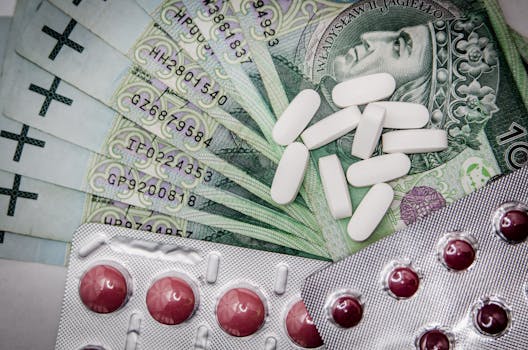
Polish 100 złoty notes with pills and blister packs, illustrating medical costs. Photo: Pixabay / Pexels
Navigating the healthcare system without insurance can feel like an uphill battle, especially when trying to understand the cost of a full physical exam. The reality is, there isn't a single, fixed price. Instead, a myriad of factors contribute to the final bill you might receive. For an individual paying out-of-pocket, these factors become even more critical to understand and account for. Firstly, geographical location plays a significant role. Healthcare costs, much like the cost of living, vary dramatically across different states and even within different cities in the same state. A physical exam in a major metropolitan area like New York City or San Francisco will almost certainly be more expensive than one in a rural town in the Midwest. This is due to differences in overhead costs for clinics, physician salaries, and regional demand. Secondly, the type of facility where you receive your exam heavily influences the price. A physical at a large hospital system's outpatient clinic typically costs more than one at a standalone private physician's office. Urgent care centers and community health clinics often offer the most competitive rates for basic physicals, as their operational models are designed to be more accessible and cost-effective for uninsured patients. Federally Qualified Health Centers (FQHCs), in particular, are mandated to provide care on a sliding fee scale based on income, making them an excellent option for those with limited financial resources. Understanding different healthcare providers can help you make an informed choice. Thirdly, the scope of the physical exam itself is a major determinant. A 'full physical exam' can mean different things to different providers. A basic annual check-up might include a review of your medical history, vital signs, a general physical examination (listening to heart and lungs, palpating the abdomen), and perhaps a basic urine test. However, if your physical requires additional screenings, blood work (like a complete blood count, metabolic panel, or cholesterol check), an EKG, or specialized tests (e.g., pap smear for women, prostate exam for men), the cost will naturally increase. Each additional test or consultation with a specialist adds to the overall expense. It's crucial to clarify exactly what is included in the quoted price when you call different facilities. Finally, the specific physician or practitioner you see can also affect the cost. Highly experienced or specialized doctors might charge more for their services. However, for a routine physical, you might find more affordable options with physician assistants (PAs) or nurse practitioners (NPs), who are highly qualified to conduct these exams and often operate under a physician's supervision, sometimes at a lower fee. Being proactive in your research and understanding these variables can empower you to find the most affordable and appropriate option for your health needs, even without the buffer of health insurance.

Average Costs and How to Find the Best Deals for Uninsured Physicals

A female doctor gives a health check-up to a child in a bright clinic. Photo: Gustavo Fring / Pexels
When you're searching for the cost of a full physical exam without insurance, you'll quickly discover a wide range of prices. On average, a basic, routine physical exam for an uninsured individual in the US can range anywhere from $100 to $400. This estimate, however, can fluctuate significantly based on the factors discussed previously. For a more comprehensive physical that includes standard lab work (like a complete blood count, lipid panel, and basic metabolic panel), the cost could easily climb to $500 to $1,000 or even higher, depending on the number and complexity of the tests ordered. So, how can you find the best deals? The key is diligent research and direct communication. Start by calling various types of healthcare providers in your vicinity. Don't be afraid to ask for their 'cash price' or 'self-pay rate' upfront. Many facilities have a discounted rate for patients who are paying out-of-pocket, as it simplifies their billing process by avoiding insurance claims. Community health centers are often your best bet for affordability. These centers, sometimes called Federally Qualified Health Centers (FQHCs) or free clinics, are partially funded by the government to provide primary care services to underserved populations, regardless of their ability to pay. They typically offer a sliding fee scale based on your income and family size, meaning your physical could cost significantly less, or even be free, if you meet their eligibility criteria. They are designed to be a safety net for those without insurance or with high deductibles. Urgent care centers can also be a more affordable alternative to traditional doctor's offices or hospital outpatient clinics for routine physicals. While primarily designed for acute, non-emergency issues, many urgent care facilities offer basic physicals, including school or sports physicals, at competitive cash prices. It's always worth calling ahead to confirm they provide the type of physical you need and to inquire about their self-pay rates. Another strategy is to look for direct primary care (DPC) practices. DPC models operate on a membership basis, where patients pay a monthly or annual fee directly to their doctor, bypassing insurance for many routine services. While this might not be ideal for a one-off physical, if you anticipate needing ongoing primary care without insurance, a DPC membership could be more cost-effective in the long run, often including physicals and basic labs in their membership fees. Finally, don't underestimate the power of negotiation. When you speak to a clinic or doctor's office, explain your situation as an uninsured patient and ask if there are any discounts available. Some providers are willing to offer a lower price if you pay upfront in cash. Payment plans can also be an option if a lump sum payment is challenging. Always get any agreed-upon prices in writing to avoid surprises.

The Value of Preventive Care: Why Skipping a Physical Exam Can Cost You More

Top view of crop anonymous person hand with red paper heart on table with stethoscope and medical mask for coronavirus prevention Photo: www.kaboompics.com / Pexels
While the immediate cost of a full physical exam without insurance might seem daunting, it's crucial to understand the immense long-term value of preventive care. Skipping regular check-ups to save money in the short term can lead to far greater financial burdens and health complications down the line. Preventive care, including annual physicals, is designed to catch potential health issues early, often before they become serious or symptomatic. This proactive approach is not just about maintaining good health; it's a strategic financial decision. Many chronic diseases, such as high blood blood pressure, diabetes, and certain cancers, can develop silently without noticeable symptoms in their early stages. A routine physical exam includes screenings and discussions that can detect these conditions when they are most treatable. For instance, a simple blood test can reveal elevated blood sugar or cholesterol levels, allowing you and your doctor to implement lifestyle changes or medication to prevent the progression to full-blown diabetes or heart disease. The cost of managing advanced diabetes or recovering from a heart attack, including hospital stays, specialized treatments, and long-term medication, far outweighs the cost of a preventive physical and early intervention. The importance of early detection cannot be overstated. Moreover, a physical exam is an opportunity to discuss your overall health, lifestyle habits, and any minor concerns you might have with a healthcare professional. This guidance can help you make informed decisions about diet, exercise, and stress management, all of which contribute to your long-term well-being and can prevent future illness. Identifying and addressing risk factors early, such as obesity or smoking, can significantly reduce your chances of developing serious health problems that require expensive treatments. Think of a physical exam as regular maintenance for your body, much like you'd get an oil change for your car. Just as neglecting car maintenance can lead to costly breakdowns, neglecting your health can lead to expensive medical emergencies. An untreated infection, for example, can escalate into a severe condition requiring emergency room visits and hospitalization, which are notoriously expensive without insurance. The average emergency room visit can cost thousands of dollars, making a few hundred dollars for a preventive physical seem like a wise investment. Beyond just detecting disease, physicals also provide a baseline for your health. Having a record of your vital signs, lab results, and overall health status allows your doctor to monitor changes over time. This baseline is invaluable if you do develop a health issue, as it helps doctors quickly identify what's abnormal for you and formulate an effective treatment plan. In essence, paying for a physical exam without insurance is an investment in your future health and financial stability, potentially saving you from much higher costs and greater suffering in the long run.

Smart Strategies for Affording Your Physical Exam Without Insurance
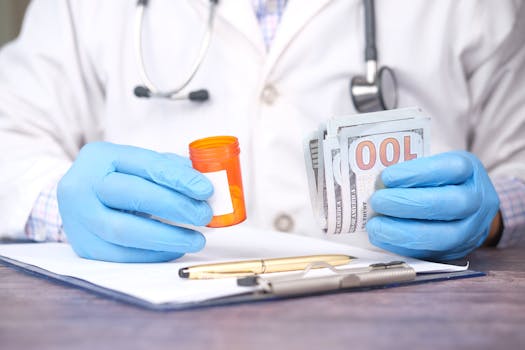
Doctor in gloves holding pill bottle and cash, highlighting medical expenses. Photo: Towfiqu barbhuiya / Pexels
Even with the understanding of varying costs, navigating a full physical exam without insurance requires smart strategies to make it affordable. Here are practical tips to help you secure necessary preventive care without breaking the bank: * **Utilize Community Health Centers and FQHCs:** As mentioned, these centers are specifically designed to offer low-cost care. Search online for 'Federally Qualified Health Centers near me' or 'community health clinics sliding scale.' Be prepared to provide income verification for their sliding fee programs. * **Ask for Cash Discounts:** Always inquire about the self-pay or cash price. Many clinics offer a significant discount (often 20-50%) if you pay upfront and avoid the complexities of insurance billing. Don't assume the first price quoted is the final price. * **Consider Urgent Care for Basic Physicals:** For routine check-ups that don't involve complex health issues, urgent care centers can be a more affordable option than a traditional doctor's office. Call ahead to confirm they offer the specific type of physical you need and their cash prices. * **Negotiate Payment Plans:** If the upfront cost is still too high, ask if the clinic offers payment plans. Many providers are willing to work with patients to spread out payments over several months, making the cost more manageable. * **Shop Around for Lab Tests:** If your physical requires blood work, ask for a written order for the tests. You can then call independent labs (like Quest Diagnostics or LabCorp) or even local hospitals directly to compare prices for the specific tests. Sometimes, paying cash directly to the lab is cheaper than having the clinic include it in their overall bill. * **Look for Special Programs or Clinics:** Some pharmaceutical companies offer patient assistance programs, and local health departments may run free or low-cost screening programs for specific conditions like blood pressure or cholesterol. Research these options in your area. * **Telehealth Options (Limited Scope):** While not a full physical, some telehealth providers offer virtual consultations for basic health assessments or to review lab results at a lower cost. This could be a starting point, though an in-person exam is usually necessary for a truly 'full' physical. * **Bundle Services (If Applicable):** Some clinics might offer a package price for a physical exam that includes basic lab work at a slightly reduced rate compared to paying for each service separately. Always ask if they have any bundled options. By employing these strategies, you can significantly reduce the financial burden of a full physical exam without insurance, ensuring you receive the essential preventive care needed to maintain your health.

Comparison

FeatureCommunity Health CenterUrgent Care CenterPrivate Doctor's Office
Average Cash Price (Basic Physical)$0 - $150 (sliding scale)$100 - $250$150 - $400+
Includes Lab WorkOften included/discountedUsually extraOften extra
Sliding Scale Fees
Payment Plans AvailableOftenSometimesOften
FocusComprehensive primary careAcute, non-emergency carePersonalized, ongoing care

What Readers Say

"I was really worried about the cost of a full physical exam without insurance. I found a community clinic that offered a sliding scale. My visit, including basic blood work, was only $75! It was such a relief and the care was excellent."

Maria S. · Phoenix, AZ

"My job required a physical, and I'm currently uninsured. I called several urgent care centers and found one offering a 'sports physical' for $120. It covered everything I needed and saved me a lot compared to a regular doctor's office."

David L. · Orlando, FL

"After researching the cost of a full physical exam without insurance, I negotiated a cash price with a private practice. They gave me a 30% discount for paying upfront, which brought the total down to $280. It showed me that asking really pays off."

Sarah P. · Seattle, WA

"Finding an affordable physical without insurance was challenging. I ended up at an urgent care. The cost was fair, but I felt a bit rushed compared to my old primary care doctor. Still, it got the job done for my annual check-up."

Jessica R. · Austin, TX

"I used a direct primary care clinic. For a monthly fee, my annual physical and all basic lab tests are included. While it's not a one-time payment, it's incredibly cost-effective for someone like me who values consistent care without insurance hassles."

Mark T. · Denver, CO

Frequently Asked Questions

What is the average cost of a full physical exam without insurance in the US?

The average cost for a basic full physical exam without insurance typically ranges from $100 to $400. However, this can increase to $500-$1000 or more if comprehensive lab tests, specialized screenings, or additional consultations are included. Prices vary widely based on location, facility type, and the extent of the examination.

Are there any free or low-cost options for physical exams for uninsured individuals?

Yes, absolutely. Federally Qualified Health Centers (FQHCs) and local community health clinics often provide services on a sliding fee scale based on your income, making them very affordable or even free for eligible individuals. Some non-profit organizations and health departments also offer free health screenings or clinics periodically.

How can I find a clinic that offers affordable cash prices for a physical?

To find affordable cash prices, start by calling local urgent care centers, community health clinics, and even private doctor's offices. Clearly state that you are uninsured and ask for their 'self-pay' or 'cash' price for a routine physical exam. Don't hesitate to compare prices from several providers before making an appointment.

Is it worth paying for a physical exam without insurance, given the cost?

Yes, paying for a physical exam is a vital investment in your long-term health and can save you significant money in the future. Preventive care helps detect potential health issues early, preventing them from becoming more serious and expensive to treat. The cost of managing an advanced disease or an emergency room visit far outweighs the cost of a routine check-up.

How do urgent care centers compare to primary care doctors for physicals?

Urgent care centers often offer more competitive cash prices for basic physicals, especially for school or sports requirements, and have walk-in availability. However, a primary care doctor offers continuity of care, a deeper understanding of your long-term health history, and can provide more personalized preventive advice. For complex health concerns, a primary care physician is generally preferred.

Who should prioritize getting a physical exam even without insurance?

Everyone should prioritize regular physical exams, but it's especially critical for individuals with known risk factors for chronic diseases, those over 40 (when many age-related conditions begin to appear), or anyone experiencing new, unexplained symptoms. Even if you feel healthy, a baseline check can be invaluable.

What are the risks of skipping a physical exam due to cost?

The primary risk of skipping a physical exam is the delayed detection of serious health conditions. Undiagnosed high blood pressure, diabetes, or early-stage cancers can progress silently, leading to more severe complications, costly emergency treatments, and a diminished quality of life that could have been prevented with early intervention.

Will telehealth options be a viable alternative for a full physical exam in the future?

While telehealth is excellent for consultations, medication refills, and reviewing lab results, a 'full physical exam' traditionally requires an in-person component to assess vital signs, listen to the heart and lungs, perform palpations, and conduct other hands-on assessments. Telehealth may evolve to support more aspects, but a truly comprehensive physical will likely always require some in-person elements.

Don't let the lack of insurance deter you from vital preventive care. Understanding the cost of a full physical exam without insurance and utilizing smart strategies can help you access affordable check-ups, safeguarding your health and financial well-being in the long run. Take control of your health today.

Topics: cost of a full physical exam without insuranceuninsured physical exam priceaffordable medical checkuppreventive care without insurancemanaging healthcare costs
Leo List

DK Escorts LU Escorts AT Escorts SE Escorts FI Escorts CH Escorts DE Escorts HR Escorts IE Escorts GR Escorts CZ Escorts NO Escorts BE Escorts FR Escorts SI Escorts IL Escorts NL Escorts PL Escorts HU Escorts ES Escorts IT Escorts PT Escorts SK Escorts RO Escorts ZA Escorts UY Escorts US Escorts UK Escorts NZ Escorts AU Escorts
Brampton weed
Adultwork EstrelaBet Vai de Bet R7 Bet Betão Galera Bet Rainbet Bet9ja Shop SportyBet BetKing Sisal Loto Foot Hollywoodbets YesPlay Odibets RushBet Jugabet BetWarrior BetCity MSport betPawa Fortebet