✓ Chronic back pain affects millions in the US, often lasting over three months.
✓ Causes range from mechanical issues like disc problems to inflammatory conditions and lifestyle factors.
✓ Accurate diagnosis is crucial for effective treatment and long-term management.
✓ Conservative treatments are often effective, but some cases may require advanced interventions.
How It Works
1
Identify Your Symptoms
Pay close attention to the location, intensity, and triggers of your back pain. This information is vital for an accurate diagnosis.
2
Seek Professional Diagnosis
Consult a healthcare professional for a thorough examination, including physical tests and potentially imaging, to pinpoint the underlying cause.
3
Explore Treatment Options
Work with your doctor to develop a personalized treatment plan. This may involve medication, physical therapy, or lifestyle adjustments.
4
Commit to Long-Term Management
Chronic back pain often requires ongoing management. Adhere to your treatment plan and make necessary lifestyle changes for sustained relief.
Understanding the Landscape of Chronic Back Pain
Photo: cottonbro studio / Pexels
Chronic back pain is a pervasive health issue, impacting an estimated 80% of Americans at some point in their lives, with a significant portion experiencing persistent discomfort that lasts three months or longer. It's not merely an inconvenience; it can severely diminish quality of life, affect work productivity, and limit daily activities. The complexity of the human spine, with its intricate network of bones, ligaments, muscles, and nerves, means that pinpointing a single cause can often be challenging. However, understanding the most common culprits is the first step toward effective management and relief. This section aims to demystify the various categories of chronic back pain causes, providing a comprehensive overview that empowers you to have more informed discussions with your healthcare provider. We'll delve into the mechanical, structural, inflammatory, and neurological reasons why your back might be causing you persistent trouble. It's crucial to remember that while this article provides extensive information, it is not a substitute for professional medical advice. If you are experiencing chronic back pain, consulting a doctor or specialist is always recommended for an accurate diagnosis and personalized treatment plan. The journey to understanding your pain is a collaborative one, and arming yourself with knowledge is a powerful tool in that process. Many people mistakenly believe that chronic back pain is an inevitable part of aging, but this is not always the case. While age can be a contributing factor, many younger individuals also suffer from chronic back pain due to a variety of factors, including poor posture, sedentary lifestyles, and sports injuries. The prevalence of back pain across all age groups highlights the importance of understanding its diverse origins. From degenerative changes that naturally occur over time to acute injuries that fail to heal properly, the spectrum of causes is broad. We will explore how these factors interact and contribute to the persistent nature of chronic back pain, offering insights into how different conditions manifest and what specific symptoms to look out for. Understanding these nuances can help you articulate your experience more clearly to medical professionals, leading to a more targeted and effective diagnostic process. For more information on managing persistent discomfort, explore resources on chronic pain management strategies. This foundational knowledge is essential for anyone seeking to alleviate their chronic back pain and improve their overall well-being. By breaking down the complex array of potential causes, we hope to illuminate the path toward understanding and, ultimately, relief.
Mechanical and Structural Contributors to Chronic Back Pain
Photo: cottonbro studio / Pexels
A significant portion of chronic back pain cases stems from mechanical issues within the spinal structure or the surrounding soft tissues. These problems often arise from wear and tear, injury, or improper body mechanics over time. One of the most prevalent mechanical causes is **degenerative disc disease (DDD)**. Despite its name, DDD is not strictly a disease but rather a natural process of aging where the intervertebral discs – the shock absorbers between your vertebrae – begin to lose fluid and elasticity. This can lead to disc thinning, tears, or even bulging, which can irritate nearby nerves and cause chronic pain. The pain associated with DDD often worsens with activity and improves with rest. Similarly, **herniated or bulging discs** occur when the soft, jelly-like center of a disc pushes through a tear in its tougher exterior, potentially compressing spinal nerves. This can result in sharp, radiating pain, numbness, or weakness in the legs (sciatica) if the lower back is affected. The severity of symptoms depends on the degree of nerve compression and inflammation.
Another common structural issue is **spinal stenosis**, a narrowing of the spinal canal, which houses the spinal cord and nerves. This narrowing can be caused by bone spurs, thickened ligaments, or disc herniation, putting pressure on the nerves and leading to pain, numbness, or cramping in the legs, especially during walking or standing. Lumbar spinal stenosis is particularly common in older adults. **Spondylolisthesis** is a condition where one vertebra slips forward over another, often due to a fracture in a small bone segment (pars interarticularis) or degenerative changes. This slippage can compress nerves and cause chronic back pain, leg pain, and muscle spasms. The degree of slippage dictates the severity of symptoms and potential treatment approaches.
**Osteoarthritis**, also known as degenerative joint disease, can affect the facet joints in the spine. These small joints connect the vertebrae and allow for movement. As the cartilage in these joints wears down, bones can rub against each other, leading to pain, stiffness, and reduced flexibility. This condition is more common with age and can contribute significantly to chronic back pain. Beyond these specific spinal conditions, **muscle strains and ligament sprains** can also become chronic if not properly managed. While acute strains typically resolve within weeks, repetitive stress, improper lifting techniques, or poor posture can lead to chronic muscle imbalances, trigger points, and persistent pain. For instance, chronic tension in the paraspinal muscles can create a constant dull ache.
Finally, **skeletal irregularities** such as scoliosis (a sideways curvature of the spine) or kyphosis (an excessive outward curve of the upper back) can contribute to chronic back pain by altering the biomechanics of the spine and placing undue stress on certain areas. While mild cases may be asymptomatic, more severe curvatures can lead to muscle imbalances, nerve compression, and persistent discomfort. Understanding these mechanical and structural factors is crucial for guiding diagnostic imaging and physical examinations, helping healthcare providers pinpoint the precise source of chronic back pain and formulate an effective treatment strategy.
Inflammatory, Neurological, and Lifestyle-Related Causes
Beyond mechanical and structural issues, chronic back pain can also stem from inflammatory conditions, neurological disorders, and a range of lifestyle factors that cumulatively impact spinal health. **Inflammatory conditions** such as **ankylosing spondylitis** and other forms of **spondyloarthritis** are systemic diseases where the body's immune system attacks its own joints, particularly those in the spine and pelvis. These conditions are characterized by chronic inflammation, leading to stiffness and pain that often improves with activity and worsens with rest, especially in the morning. Over time, severe cases can lead to fusion of the vertebrae, causing significant loss of spinal mobility. Diagnosing these conditions often involves blood tests for inflammatory markers and specific genetic markers, in addition to imaging studies. Early diagnosis and treatment are crucial to prevent irreversible spinal damage.
**Neurological causes** of chronic back pain are often related to nerve compression or damage. While disc herniations and spinal stenosis are common causes of nerve impingement, other conditions can also contribute. **Peripheral neuropathy**, for instance, can affect nerves outside the brain and spinal cord, leading to pain, numbness, and tingling. Though less commonly the primary cause of chronic back pain, it can exacerbate existing conditions or contribute to generalized discomfort. More rarely, **spinal cord tumors** or **infections** can put pressure on the spinal cord or nerves, causing severe, progressive back pain that may be accompanied by neurological deficits. These conditions are typically identified through advanced imaging like MRI and require immediate medical attention. **Cauda equina syndrome**, a rare but serious condition, occurs when the bundle of nerves at the end of the spinal cord (cauda equina) is compressed, leading to severe back pain, weakness in the legs, and bowel/bladder dysfunction, requiring emergency surgery.
**Lifestyle factors** play an increasingly significant role in the development and perpetuation of chronic back pain. A **sedentary lifestyle** and **lack of regular exercise** weaken core muscles that support the spine, making it more susceptible to injury and strain. Conversely, **excessive physical activity** or improper training techniques can lead to overuse injuries. **Obesity** places additional stress on the spine, particularly the lower back, and can accelerate degenerative processes. **Poor posture**, whether at a desk, while standing, or even during sleep, can lead to muscle imbalances and chronic strain. **Smoking** is also a known risk factor, as it can reduce blood flow to spinal discs, accelerating degeneration and impairing healing. Furthermore, **psychological factors** such as stress, anxiety, and depression are strongly linked to chronic pain. These conditions can amplify pain perception and reduce a person's ability to cope, creating a vicious cycle. Addressing these psychological components through therapy or stress management techniques can be a vital part of a comprehensive pain management plan.
Understanding the interplay of these inflammatory, neurological, and lifestyle factors is essential for a holistic approach to chronic back pain. It underscores the importance of not just treating symptoms but also addressing underlying systemic issues and making sustainable lifestyle modifications. For further reading on related health topics, consider exploring articles on holistic health approaches. Recognizing these diverse origins allows for a more personalized and effective treatment strategy, moving beyond superficial relief to tackle the root causes of persistent discomfort.
Less Common But Significant Causes & Diagnostic Approaches
While mechanical, inflammatory, and lifestyle factors account for the majority of chronic back pain cases, it's important to be aware of less common but potentially significant underlying conditions. These can range from rare diseases to referred pain from other parts of the body, and their diagnosis often requires a more intricate investigative approach. One such category includes **infections** of the spine, such as osteomyelitis (bone infection) or discitis (disc infection). Although uncommon, these can cause severe, persistent back pain, fever, and general malaise. They are particularly concerning in individuals with compromised immune systems or those who have undergone recent spinal surgery. Early diagnosis through blood tests, imaging (MRI is often crucial), and sometimes a biopsy, is vital for effective antibiotic treatment and preventing severe complications.
Another group of less frequent causes involves **tumors**, both benign and malignant, that can originate in the spine or metastasize from other parts of the body. Spinal tumors can cause localized back pain, nerve compression leading to radiating pain, numbness, or weakness, and progressive neurological deficits. Pain from tumors often worsens at night and may not be relieved by rest. Diagnosis typically involves detailed imaging studies and biopsies. While frightening, early detection can significantly impact treatment outcomes.
**Referred pain** is also a critical concept in diagnosing chronic back pain. Sometimes, pain felt in the back originates from organs in the abdomen or pelvis. For example, kidney stones, pancreatitis, aortic aneurysms, or even gynecological issues can manifest as back pain. This type of pain often presents differently from musculoskeletal pain, sometimes accompanied by other organ-specific symptoms. A thorough medical history and physical examination, including assessment of organ systems, are essential to rule out these possibilities.
Finally, **fibromyalgia** is a chronic disorder characterized by widespread musculoskeletal pain, fatigue, sleep disturbances, and cognitive issues. While not exclusively a back pain condition, chronic back pain is a very common symptom for individuals with fibromyalgia. The pain is often described as a constant, dull ache, and specific tender points may be present. Diagnosis is based on a patient's symptoms and a physical examination, as there are no specific diagnostic tests. Treatment focuses on pain management, exercise, and addressing sleep and psychological factors.
**Diagnostic Approaches for Chronic Back Pain:** Given the wide array of potential causes, an accurate diagnosis is paramount. This process typically begins with a detailed medical history, where your doctor will ask about the onset, duration, location, intensity, and aggravating/alleviating factors of your pain. A comprehensive physical examination will assess your posture, range of motion, reflexes, muscle strength, and sensation.
**Imaging studies** are often employed:
* **X-rays** can reveal bone abnormalities, fractures, spinal alignment issues, and degenerative changes like bone spurs.
* **MRI (Magnetic Resonance Imaging)** provides detailed images of soft tissues, including discs, ligaments, muscles, and nerves, making it invaluable for detecting disc herniations, spinal stenosis, tumors, and infections.
* **CT (Computed Tomography) scans** offer more detailed bone imaging than X-rays and can be useful for evaluating fractures or complex bone structures.
* **Electromyography (EMG) and Nerve Conduction Studies (NCS)** can assess nerve function and identify nerve root compression or damage.
* **Blood tests** may be ordered to check for inflammatory markers, infections, or other systemic conditions like certain types of arthritis.
Understanding these diagnostic tools and the less common causes ensures a thorough investigation, preventing misdiagnosis and leading to the most effective treatment plan for your specific condition. It emphasizes that chronic back pain is a complex puzzle, and a skilled healthcare provider is essential to piece it together correctly.
Strategies for Managing and Preventing Chronic Back Pain
Managing and preventing chronic back pain involves a multifaceted approach, blending medical interventions with proactive lifestyle changes. The goal is not only to alleviate current pain but also to prevent future episodes and improve overall spinal health. Here are key strategies:
* **Regular Exercise and Physical Therapy:** A cornerstone of back pain management. Strengthening core muscles (abdominal and back muscles) provides better support for the spine. Low-impact aerobic activities like walking, swimming, or cycling can improve circulation and flexibility. A physical therapist can design a personalized exercise program, teaching proper form and body mechanics to protect your back. Stretching exercises are also crucial for maintaining flexibility and reducing muscle stiffness.
* **Maintaining a Healthy Weight:** Excess body weight, particularly around the abdomen, puts additional strain on the lower back. Losing even a modest amount of weight can significantly reduce this burden and alleviate pain. A balanced diet, rich in anti-inflammatory foods, can also support overall health and reduce systemic inflammation.
* **Ergonomic Adjustments:** Evaluate your workstation, sleeping arrangements, and daily activities. Ensure your chair provides good lumbar support, your computer screen is at eye level, and your keyboard and mouse are comfortably positioned. Use a supportive mattress and pillow that aligns your spine during sleep. Take regular breaks to stand, stretch, and move if your job involves prolonged sitting or standing.
* **Stress Management Techniques:** Chronic stress can exacerbate back pain by increasing muscle tension and pain perception. Techniques like mindfulness, meditation, yoga, deep breathing exercises, and engaging in hobbies can help reduce stress levels and improve coping mechanisms.
* **Proper Lifting Techniques:** Always lift with your legs, not your back. Bend at your knees and hips, keep the object close to your body, and avoid twisting while lifting. If an object is too heavy, ask for help.
* **Smoking Cessation:** As mentioned earlier, smoking impairs blood flow to spinal discs, accelerating degeneration. Quitting smoking can improve spinal health and overall well-being.
* **Medication Management:** Over-the-counter pain relievers like NSAIDs (e.g., ibuprofen, naproxen) can provide temporary relief for mild to moderate pain. For more severe pain, your doctor might prescribe muscle relaxants, neuropathic pain medications, or short-term opioids (used cautiously due to addiction risk). Always follow your doctor's instructions and be aware of potential side effects.
* **Alternative Therapies:** Many individuals find relief through complementary therapies such as acupuncture, chiropractic care, massage therapy, and osteopathic manipulation. While research on their effectiveness varies, they can be valuable components of a comprehensive treatment plan for some individuals. Always choose licensed and reputable practitioners.
* **Injections and Advanced Interventions:** For persistent pain not responding to conservative measures, your doctor might suggest spinal injections (e.g., epidural steroid injections, nerve blocks) to reduce inflammation and pain. In rare cases, when all other options have failed and a clear structural cause is identified, surgical intervention might be considered. This could include discectomy, laminectomy, or spinal fusion, depending on the specific condition. Surgery is typically a last resort.
Implementing these strategies requires consistency and patience. Chronic back pain management is often a long-term journey, but with a proactive approach and collaboration with your healthcare team, significant improvement in pain levels and quality of life is achievable.
"Understanding the common causes of chronic back pain in this article was a revelation. I always thought it was just bad posture, but learning about degenerative disc disease helped me advocate for a proper diagnosis."
Sarah J.Austin, TX
5★★★★★
"This resource clearly explained the link between my sedentary job and my persistent lower back pain. It motivated me to make ergonomic changes and start a walking routine, which has made a huge difference."
Mark D.Chicago, IL
5★★★★★
"After struggling for years, this article helped me realize my pain might be inflammatory. I brought this information to my doctor, and we're now exploring treatments for ankylosing spondylitis, leading to a significant reduction in my pain."
Emily R.Phoenix, AZ
4★★★★☆
"The information on neurological causes was particularly helpful for me. While I still have pain, understanding the role of nerve compression has made me more patient with my physical therapy, which is slowly yielding results."
David L.Seattle, WA
5★★★★★
"As a healthcare professional, I appreciate the depth and clarity of this article. It's an excellent resource for patients to understand the complex common causes of chronic back pain before their appointments."
Jessica M.Miami, FL
Frequently Asked Questions
What is the most frequent cause of chronic lower back pain?
Degenerative disc disease and other mechanical issues like muscle strains, ligament sprains, and facet joint osteoarthritis are among the most frequent causes of chronic lower back pain. These often result from the natural aging process, repetitive stress, or acute injuries that don't heal properly, leading to persistent discomfort.
Can stress and anxiety really cause chronic back pain?
Yes, stress and anxiety can significantly contribute to and exacerbate chronic back pain. Psychological factors can increase muscle tension, alter pain perception, and lead to poor posture, creating a cycle that perpetuates back pain. Addressing mental health is often a crucial part of managing chronic pain.
How can I tell if my back pain is serious enough to see a doctor?
You should see a doctor if your back pain is severe, doesn't improve with rest, radiates down your leg, causes numbness or weakness, is accompanied by fever, unexplained weight loss, or bowel/bladder problems. These could be signs of a more serious underlying condition requiring medical attention.
Are there cost-effective ways to manage chronic back pain without expensive treatments?
Yes, many cost-effective strategies can help manage chronic back pain. These include regular exercise, maintaining a healthy weight through diet, practicing good posture, using ergonomic furniture, applying heat or cold packs, and engaging in stress-reduction techniques like meditation or yoga. Physical therapy is also a highly effective, often insurance-covered option.
How does chiropractic care compare to physical therapy for chronic back pain?
Both chiropractic care and physical therapy are effective for chronic back pain, but they differ in approach. Chiropractors typically focus on spinal adjustments and alignment, while physical therapists emphasize exercise, stretching, and improving functional movement. Often, a combination of both, or choosing one based on the specific diagnosis, yields the best results.
Who is most at risk for developing chronic back pain?
Individuals at higher risk for chronic back pain include older adults, those with sedentary lifestyles, people who are overweight or obese, smokers, individuals with physically demanding jobs, and those with a history of back injuries or certain medical conditions like arthritis. Psychological factors like stress and depression also increase risk.
Is surgery a common solution for chronic back pain?
No, surgery is generally considered a last resort for chronic back pain, reserved for a small percentage of cases where conservative treatments have failed, and a clear, treatable structural problem (like severe nerve compression) is identified. Most chronic back pain can be effectively managed without surgery.
What advancements are on the horizon for treating chronic back pain?
Future trends in chronic back pain treatment include personalized medicine based on genetic profiles, advanced regenerative therapies like stem cell treatments for disc repair, more sophisticated neuromodulation devices (e.g., spinal cord stimulators), and enhanced integration of digital health and AI for diagnosis and remote monitoring. Research into novel non-opioid pain medications is also ongoing.
Understanding the common causes of chronic back pain is the first crucial step toward effective relief. Don't let persistent discomfort dictate your life; empower yourself with knowledge and seek professional guidance to find a personalized path to recovery and improved well-being.

 Photo: cottonbro studio / Pexels
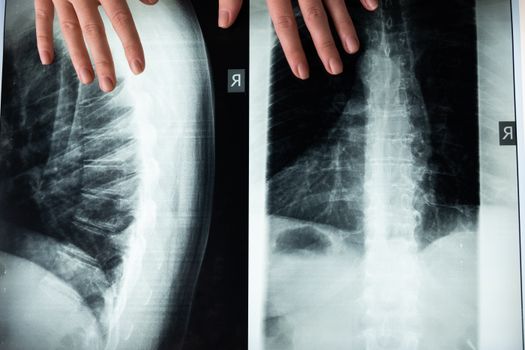 Photo: cottonbro studio / Pexels