Unraveling the Causes of Sudden Joint Pain in Fingers
June 25, 2026 16 min read 3,164 words
Understand the root causes of unexpected finger joint pain to seek effective diagnosis and timely treatment.
Find Your Relief
Understanding Acute Finger Joint Pain: Initial Assessment
 Photo: Towfiqu barbhuiya / Pexels
Experiencing sudden joint pain in your fingers can be alarming and debilitating, significantly impacting daily activities from typing to simply grasping an object. Unlike chronic pain that develops gradually, acute pain strikes unexpectedly, often with considerable intensity. The sudden onset often indicates an immediate issue that requires attention, whether it's a direct injury, an inflammatory flare-up, or the manifestation of an underlying systemic condition. Pinpointing the exact
cause of this sudden discomfort is the first critical step toward effective management and relief. Without proper identification, treatment can be misdirected, leading to prolonged suffering or even irreversible damage. This section delves into the initial considerations and common scenarios that lead to acute finger joint pain, setting the stage for a deeper dive into specific medical conditions.
When sudden finger joint pain occurs, it's essential to observe accompanying symptoms. Is there swelling, redness, or warmth around the joint? Does the pain worsen with movement or at rest? Is it localized to one finger or affecting multiple digits? These details provide invaluable clues. For instance, sudden, intense pain in a single joint, especially at the base of the thumb or big toe, accompanied by significant swelling and redness, might immediately suggest conditions like gout. Conversely, widespread pain and stiffness in multiple finger joints, particularly in the morning, could point towards an inflammatory arthritis like rheumatoid arthritis, even if the onset feels sudden. Trauma, such as a direct blow or a sprain, typically presents with immediate pain, swelling, and often bruising, and the individual can usually recall the inciting event. However, sometimes minor, repetitive micro-traumas can accumulate and suddenly manifest as acute pain, especially in conditions like trigger finger or de Quervain's tenosynovitis, where inflammation of tendons and their sheaths causes pain and functional impairment.
It's also crucial to consider any recent activities or changes in your health. Have you engaged in new, strenuous hand activities? Have you started new medications? Are you experiencing other systemic symptoms like fever, fatigue, or skin rashes? These pieces of information help create a comprehensive picture for a healthcare provider. For example, certain infections can lead to septic arthritis, presenting as sudden, severe joint pain, swelling, and warmth, often accompanied by fever. This is a medical emergency requiring prompt antibiotic treatment. Similarly, viral infections can sometimes trigger reactive arthritis, where joint pain appears days or weeks after the initial infection. Understanding the context of the pain's onset, its characteristics, and any associated symptoms is paramount for guiding the diagnostic process. Self-diagnosis can be misleading and delay appropriate care, making a professional medical evaluation indispensable when facing sudden, unexplained finger joint pain.
Common Inflammatory & Autoimmune Causes
 Photo: Jason Reid / Pexels
Beyond direct injury, a significant number of sudden finger joint pain cases are rooted in inflammatory or autoimmune conditions. These diseases cause the body's immune system to mistakenly attack healthy joint tissues, leading to inflammation, pain, swelling, and potentially long-term damage if left untreated. Understanding these conditions is vital for prompt and accurate diagnosis.
**Gout:** Often described as one of the most agonizing forms of arthritis, gout typically strikes suddenly, often at night. While it commonly affects the big toe, it can just as suddenly manifest in the finger joints. The pain is usually excruciating, accompanied by intense redness, swelling, and warmth, making the affected joint incredibly tender to touch. Gout is caused by an accumulation of uric acid crystals in the joint, which can be triggered by certain foods (rich in purines), alcohol consumption, or specific medications. The suddenness and severity of a gout flare-up are distinctive, and prompt medical attention is necessary to manage the acute attack and prevent future episodes.
**Psoriatic Arthritis (PsA):** This form of arthritis affects some people with psoriasis, a skin condition characterized by red patches and silvery scales. PsA can cause sudden swelling and pain in the finger joints, often leading to what is known as 'sausage digits' (dactylitis), where an entire finger or toe becomes uniformly swollen. The onset can be abrupt, affecting one or several joints, and may be accompanied by nail changes (pitting, discoloration) similar to those seen in psoriasis. Early diagnosis and treatment are crucial to prevent joint damage and preserve function.
**Rheumatoid Arthritis (RA) Flare-up:** While rheumatoid arthritis is typically characterized by chronic, symmetrical joint pain and stiffness, especially in the morning, a sudden, acute flare-up can occur. During a flare, symptoms intensify rapidly, leading to increased pain, swelling, and stiffness in the small joints of the hands and feet. This sudden exacerbation can be triggered by stress, infection, or changes in medication. Recognizing a flare-up is important for adjusting treatment and preventing further joint erosion.
**Reactive Arthritis:** As the name suggests, reactive arthritis develops in response to an infection elsewhere in the body, often in the genitourinary or gastrointestinal tract. The joint pain and inflammation typically appear days or weeks after the initial infection has resolved. While it can affect various joints, sudden finger joint pain, along with swelling and stiffness, can be a presenting symptom. Other symptoms may include eye inflammation (conjunctivitis) and urinary problems. Identifying the preceding infection, even if mild, can be key to diagnosis.
**Lupus (Systemic Lupus Erythematosus - SLE):** Lupus is a complex autoimmune disease that can affect multiple organs, including the joints. Joint pain and swelling, particularly in the hands and fingers, are very common symptoms. While often chronic, a sudden flare of lupus can lead to acute, severe finger joint pain, sometimes accompanied by other systemic symptoms like fatigue, fever, and skin rashes. The pain can be migratory, moving from one joint to another.
These inflammatory and autoimmune conditions underscore the importance of a thorough medical evaluation when facing sudden finger joint pain. A rheumatologist, a specialist in these conditions, can provide an accurate diagnosis through a combination of physical examination, blood tests (looking for inflammatory markers, autoantibodies, and uric acid levels), and imaging studies (X-rays, ultrasound, MRI) to assess joint damage. Early intervention with appropriate medication, such as NSAIDs, corticosteroids, or disease-modifying antirheumatic drugs (DMARDs), can effectively manage symptoms, reduce inflammation, and prevent long-term joint destruction.
Injuries, Infections, and Other Less Common Causes
 Photo: Towfiqu barbhuiya / Pexels
Beyond inflammatory conditions, sudden joint pain in the fingers can also be attributed to acute injuries, various types of infections, and other less common but significant medical issues. Understanding these diverse origins is essential for a comprehensive diagnostic approach and appropriate treatment. Often, the context of the pain's onset, such as a recent fall or a cut, can provide crucial clues.
**Acute Injuries:** A direct injury is perhaps the most straightforward cause of sudden finger joint pain. This can range from minor sprains to more severe fractures or dislocations. Common scenarios include:
jamming a finger during sports or daily activities, falling onto an outstretched hand, or crushing injuries. Symptoms typically appear immediately after the event and include sharp pain, swelling, bruising, and often difficulty moving the affected finger. Fractures might present with deformity, while a sprain might show less obvious structural damage but still cause significant pain and instability. Tendon injuries, such as a mallet finger (where the fingertip droops due to a torn extensor tendon) or a jersey finger (a tear in the flexor tendon), also cause sudden pain and functional impairment. Prompt medical assessment, including X-rays, is vital to rule out fractures and dislocations and to initiate appropriate treatment, which may involve splinting, casting, or even surgery.
**Infections (Septic Arthritis):** While less common, an infection in the joint, known as septic arthritis, can cause sudden, severe finger joint pain. This is a medical emergency. Bacteria or other microorganisms can enter the joint through a wound, injection, or spread from an infection elsewhere in the body. Symptoms include intense pain, significant swelling, warmth, redness, and often fever and chills. If left untreated, septic arthritis can rapidly destroy joint cartilage. Diagnosis involves joint fluid aspiration and culture, and treatment typically requires intravenous antibiotics and sometimes surgical drainage.
**Osteoarthritis Flare-up:** Although osteoarthritis (OA) is a chronic, degenerative condition that typically develops gradually, an acute flare-up can cause sudden, increased pain, swelling, and stiffness in the finger joints. This might be triggered by overuse, minor trauma, or changes in weather. Unlike inflammatory arthritis, OA pain is often worse with activity and relieved by rest. The affected joints may develop bony enlargements (Heberden's or Bouchard's nodes). While the underlying cause is wear and tear, managing an acute flare involves pain relief, rest, and sometimes corticosteroid injections.
**Crystal Deposition Diseases (Pseudogout):** Similar to gout, pseudogout is caused by crystal deposits in the joints, but in this case, calcium pyrophosphate crystals. It can also cause sudden, severe pain, swelling, and redness in one or more joints, including the fingers. Pseudogout attacks can be triggered by surgery, trauma, or illness. Diagnosis involves examining joint fluid for crystals, and treatment focuses on pain and inflammation management.
**Trigger Finger (Stenosing Tenosynovitis):** This condition occurs when the tendon sheath in a finger becomes inflamed and narrowed, making it difficult for the tendon to glide smoothly. While it often develops gradually, individuals may suddenly experience a catching or locking sensation when bending or straightening their finger, accompanied by pain at the base of the finger. The suddenness of the 'locking' can be perceived as acute pain. Repetitive gripping activities are often a contributing factor.
**De Quervain's Tenosynovitis:** This condition affects the tendons on the thumb side of the wrist. While primarily a wrist condition, the pain can radiate into the thumb and base of the index finger, causing sudden discomfort, especially with gripping or twisting motions. Inflammation of the tendon sheaths in this area leads to pain and tenderness. Diagnosis involves specific physical tests, and treatment often includes rest, splinting, and anti-inflammatory medications.
Considering the wide array of potential causes, from a simple sprain to a life-threatening infection, emphasizes the importance of not self-diagnosing persistent or severe sudden finger joint pain. A healthcare professional can perform the necessary examinations and tests to accurately identify the cause and recommend the most effective course of action, ensuring optimal recovery and preventing complications.
Tips for Managing Sudden Finger Joint Pain & When to Seek Help
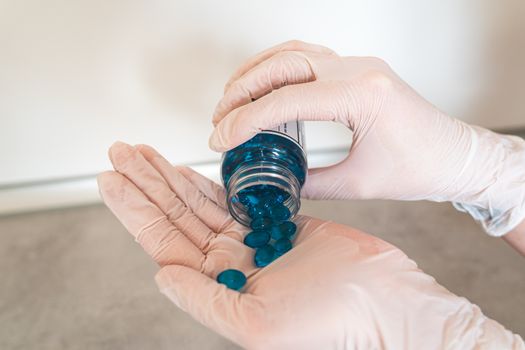 Photo: Castorly Stock / Pexels
When sudden finger joint pain strikes, your immediate reaction might be to panic. However, knowing how to manage the initial discomfort and understanding when to seek professional medical help is crucial. While some minor causes might resolve with home care, many underlying conditions require timely diagnosis and treatment to prevent long-term complications. Here are practical tips for initial management and clear guidelines on when to consult a healthcare provider.
**Immediate Home Care Tips:**
* **Rest:** Avoid activities that aggravate the pain. Give your finger and hand a break to reduce inflammation and promote healing.
* **Ice:** Apply a cold pack or ice wrapped in a thin cloth to the affected joint for 15-20 minutes at a time, several times a day. This helps reduce swelling and numb the pain.
* **Elevation:** Keep your hand elevated above your heart, especially if swelling is present. This can help reduce fluid accumulation.
* **Over-the-Counter Pain Relief:** Non-steroidal anti-inflammatory drugs (NSAIDs) like ibuprofen or naproxen can help manage pain and reduce inflammation. Always follow dosage instructions carefully.
* **Gentle Movement (if not acutely injured):** If the pain is not due to a fracture or severe sprain, gentle, non-painful range-of-motion exercises can help maintain flexibility and prevent stiffness, but listen to your body and stop if pain increases.
* **Splinting (Temporary):** For minor sprains or strains, a temporary finger splint or buddy taping (taping the injured finger to an adjacent healthy one) can provide support and limit movement, but prolonged splinting without medical advice can lead to stiffness.
**When to Seek Medical Attention:**
It's important to recognize that not all sudden finger joint pain can be managed at home. Certain symptoms warrant immediate medical evaluation:
* **Severe Pain:** If the pain is excruciating and significantly interferes with your ability to use your hand or sleep.
* **Significant Swelling or Deformity:** If the joint appears visibly swollen, red, hot to touch, or looks misshapen, indicating a possible fracture, dislocation, or severe inflammation/infection.
* **Inability to Move the Finger:** If you cannot bend or straighten your finger, or if movement is severely limited and painful.
* **Accompanying Symptoms:** If the pain is accompanied by fever, chills, widespread rash, or if you feel generally unwell.
* **Pain Following Trauma:** Any significant injury, such as a fall, direct blow, or crushing incident, should be evaluated to rule out fractures or severe soft tissue damage.
* **Numbness or Tingling:** If you experience numbness, tingling, or weakness in the finger, it could indicate nerve involvement.
* **No Improvement:** If home remedies do not alleviate the pain or symptoms worsen within a day or two.
* **Recurrent Episodes:** If you experience sudden, severe attacks of finger joint pain that resolve but then return. This pattern is characteristic of conditions like gout or pseudogout and requires diagnosis to prevent future attacks.
Consulting a doctor, preferably a primary care physician, an orthopedist specializing in hand conditions, or a rheumatologist, will ensure you receive an accurate diagnosis and an appropriate treatment plan. Early intervention can make a significant difference in managing the condition, preventing progression, and maintaining the long-term health and function of your fingers.
