✓ Medical alert systems offer 24/7 monitoring and rapid response in emergencies.
✓ Systems vary widely, from basic button pendants to advanced fall detection and GPS-enabled devices.
✓ Costs include equipment fees, monthly monitoring subscriptions, and potential add-ons.
✓ Choosing the right system depends on the senior's health, lifestyle, and technological comfort.
✓ Many systems offer mobile options for active seniors and in-home units for those with limited mobility.
How It Works
1
Emergency Alert
When an emergency occurs (e.g., a fall, medical distress), the senior presses a help button on their device or the system automatically detects an issue. This instantly signals the monitoring center.
2
Two-Way Communication
A trained operator at the monitoring center establishes two-way voice communication through the device. They assess the situation and determine the necessary course of action.
3
Emergency Response
Based on the assessment, the operator dispatches appropriate help. This could be paramedics, fire department, police, or pre-designated family members/neighbors from the senior's contact list.
4
Follow-Up & Support
The monitoring center stays on the line until help arrives and confirms the situation is handled. They can also notify designated contacts about the incident for peace of mind.
Understanding the Need for Senior Safety Devices
Photo: RDNE Stock project / Pexels
As our loved ones age, maintaining their independence while ensuring their safety becomes a paramount concern. The desire to remain in one's own home, surrounded by familiar comforts, is strong for many seniors. However, the risks associated with aging – such as falls, medical emergencies, and the challenges of living alone – can create anxiety for both seniors and their families. This is precisely where medical alert systems, often referred to as Personal Emergency Response Systems (PERS), step in as a vital solution. They provide a crucial layer of protection, offering immediate access to help at the touch of a button or even automatically in certain situations.
The statistics underscore the importance of these devices. According to the CDC, over one in four Americans aged 65 and older falls each year, and falls are the leading cause of injury and death among older adults. A significant number of these falls go unreported, and even when reported, the time it takes to receive help can drastically impact recovery outcomes. A medical alert system can bridge this gap, ensuring that assistance is summoned quickly, often preventing a worsening of the situation or prolonged suffering. Beyond falls, these systems are invaluable for seniors managing chronic conditions like heart disease, diabetes, or those recovering from surgery, where sudden medical events can occur without warning. The ability to instantly connect with trained professionals provides an unparalleled sense of security, allowing seniors to live more confidently and families to worry less. Choosing to invest in senior care solutions like these is not just about emergency response; it's about preserving dignity, independence, and quality of life. It’s an investment in the peace of mind that comes from knowing a lifeline is always within reach, allowing seniors to continue enjoying their lives with an added layer of protection. This guide will walk you through everything you need to know to buy a medical alert system for seniors, ensuring you make an informed decision.
Types of Medical Alert Systems and Their Features
Photo: Tima Miroshnichenko / Pexels
When you decide to buy a medical alert system for seniors, you'll discover a variety of options, each designed to cater to different needs and lifestyles. Understanding these types and their features is crucial for making the best choice.
**In-Home Systems:** These are typically the most basic and common type. They consist of a base unit that connects to a landline or cellular network, and a wearable pendant or wristband. The base unit has a powerful speaker and microphone for two-way communication with the monitoring center. These systems are ideal for seniors who spend most of their time at home and do not require protection outside their residence. They are generally reliable and easy to set up.
**Mobile Systems:** For active seniors who are frequently on the go, mobile medical alert systems offer freedom and protection outside the home. These devices, often small and discreet, include GPS tracking, allowing emergency responders to locate the user anywhere there is cellular service. They also typically feature a built-in speaker and microphone for direct communication. Mobile systems are perfect for seniors who enjoy walking, shopping, or visiting friends and family, providing security whether they are at home or away.
**Hybrid Systems:** Some providers offer hybrid solutions that combine the benefits of both in-home and mobile systems. These might include a base unit for home use and a separate mobile device for when the senior leaves the house, or a single device that functions effectively in both environments.
**Advanced Features to Consider:**
* **Automatic Fall Detection:** This is a game-changer for many families. Devices equipped with accelerometers and other sensors can detect a sudden change in position indicative of a fall, and automatically alert the monitoring center even if the senior is unable to press their button. While highly beneficial, it's important to note that no fall detection system is 100% accurate, and false alarms can occur.
* **GPS Tracking:** Essential for mobile units, GPS ensures that help can be dispatched to the user's exact location, whether they are at home, in a park, or at a store. This feature is invaluable for seniors with cognitive impairments or those prone to wandering.
* **Caregiver Apps/Portals:** Many modern systems include companion apps for family members or caregivers. These apps can provide location tracking, system status updates, battery life information, and even a history of alerts, offering an additional layer of oversight and peace of mind.
* **Voice Activation:** Some systems allow users to activate an alert simply by speaking a command, which can be beneficial if the senior is unable to reach their button.
* **Waterproof Devices:** Given that many falls occur in bathrooms, having a waterproof pendant or wristband is a critical feature, ensuring the device can be worn during showering or bathing.
* **Medication Reminders:** A few systems integrate medication reminders, which can help seniors adhere to their prescribed treatment plans.
* **Carbon Monoxide/Smoke Detection Integration:** Some advanced base units can integrate with home safety sensors, providing comprehensive monitoring beyond just personal emergencies. Each of these features adds to the overall cost and complexity, so it's important to prioritize based on the senior's specific needs and potential risks. When you look to buy a medical alert system for seniors, consider which of these features are truly necessary for their safety and comfort.
Key Factors to Consider Before You Buy a Medical Alert System for Seniors
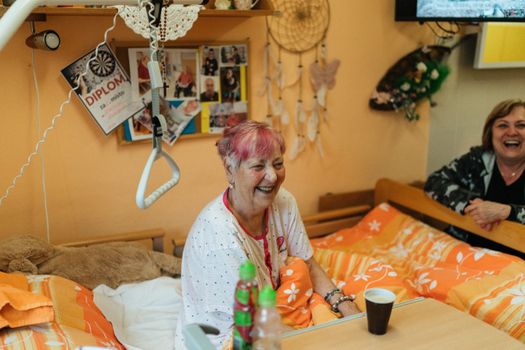
Photo: Tima Miroshnichenko / Pexels
Making an informed decision when you buy a medical alert system for seniors involves carefully weighing several factors specific to the individual's needs and circumstances. This isn't a one-size-fits-all purchase; what works perfectly for one senior might be inadequate or overly complex for another. By considering these key aspects, you can narrow down your choices and select the most appropriate system.
**1. Senior's Health and Mobility:** This is perhaps the most critical factor. Does the senior have a history of falls? Do they suffer from chronic conditions like heart disease, diabetes, or epilepsy that could lead to sudden emergencies? Is their mobility limited, making it difficult to reach a phone? For those at high risk of falls, automatic fall detection is a non-negotiable feature. For those with limited mobility, a voice-activated system or a highly sensitive two-way communication unit might be essential. If the senior has cognitive impairments, a simpler system with fewer buttons and clear instructions is preferable, along with GPS tracking if they are prone to wandering.
**2. Lifestyle and Activity Level:** Is the senior primarily homebound, or do they lead an active lifestyle, frequently leaving the house for errands, social events, or exercise? For homebound individuals, an in-home system connected to a landline or cellular network will suffice. However, for active seniors, a mobile system with GPS capabilities is crucial. This ensures they are protected wherever they go, providing peace of mind whether they are in their garden, at the grocery store, or visiting friends. Consider how often they are alone and where they spend their time.
**3. Budget and Costs:** Medical alert systems involve various costs: initial equipment fees (which can sometimes be waived or included in a promotion), monthly monitoring fees, and potential activation or installation fees. Some companies offer discounts for annual payments or long-term contracts. It's important to understand the total cost of ownership. While some systems are inexpensive, they might lack critical features. Conversely, the most expensive system isn't always the best fit. Look for transparent pricing and inquire about any hidden fees. Also, investigate if long-term care insurance, Medicare Advantage plans, or veterans' benefits might cover part of the cost. Financial planning for seniors should always factor in these essential safety expenses.
**4. Ease of Use and Comfort:** The system must be easy for the senior to use in an emergency. This means simple buttons, clear audio, and comfortable, discreet wearable devices. A complicated system will likely go unused or be a source of frustration. Consider the senior's technological comfort level. For some, a basic button is perfect; for others, a discreet smartwatch-style device might be preferred. Ensure the wearable device is comfortable enough to be worn consistently, even while sleeping or showering.
**5. Monitoring Center Quality and Response Time:** This is the core service of any medical alert system. Inquire about the monitoring center's certifications (e.g., UL listed, TMA Five Diamond), average response times, and the training of their operators. Are they bilingual? Do they have access to the senior's medical history and emergency contacts? A quick and professional response can make all the difference in an emergency. Ask about their protocols for false alarms and how they handle non-emergency calls.
**6. Contract Terms and Customer Service:** Read the contract carefully. Are there long-term commitments? What are the cancellation policies? What kind of customer support is available for technical issues or questions? A company with excellent customer service and flexible terms can provide significant peace of mind. Check online reviews and ratings to gauge other customers' experiences. By thoroughly evaluating these factors, you can confidently buy a medical alert system for seniors that truly meets their needs and provides the desired level of safety and reassurance.
Common Mistakes to Avoid When Choosing a Medical Alert System
Photo: Andrea Piacquadio / Pexels
Navigating the options to buy a medical alert system for seniors can be overwhelming, and it's easy to fall into common pitfalls. Avoiding these mistakes will save you time, money, and most importantly, ensure the senior receives the best possible protection.
**1. Prioritizing Price Over Features:** While budget is important, choosing the cheapest option without considering essential features is a common mistake. A system that lacks fall detection for a senior prone to falls, or a home-only system for an active senior, offers inadequate protection. The few dollars saved monthly might come at the cost of crucial safety. Always align features with the senior's specific risks and lifestyle.
**2. Ignoring the Senior's Input:** This system is for them, and their comfort and willingness to use it are paramount. If they find the device uncomfortable, stigmatizing, or too complicated, they simply won't wear or use it. Involve the senior in the decision-making process. Let them try on different devices, explain the benefits, and address their concerns. Their buy-in is essential for the system's effectiveness.
**3. Overlooking Monitoring Center Quality:** The device itself is only half the equation; the monitoring service is the other, equally critical half. Don't assume all monitoring centers are equal. Check for certifications (like UL or TMA Five Diamond), inquire about operator training, response times, and language capabilities. A poorly run monitoring center can negate the benefits of even the most advanced device.
**4. Not Testing the System Regularly:** Once installed, it's easy to forget about it until an emergency. However, regular testing is vital. Most providers recommend monthly tests to ensure the device is communicating correctly, the battery is charged, and the connection to the monitoring center is strong. This also helps the senior get comfortable using the system.
**5. Failing to Update Emergency Contacts and Medical Information:** Life changes, and so do medical conditions and contact numbers. Ensure that the senior's emergency contact list and medical profile (allergies, medications, pre-existing conditions) are always current with the medical alert provider. Outdated information can delay or hinder effective emergency response.
**6. Neglecting Battery Life and Charging Schedules:** For mobile devices, consistent charging is non-negotiable. Ensure the senior or a caregiver establishes a routine for charging the device. A dead battery renders the system useless. Inquire about battery life indicators and reminders from the provider.
**7. Assuming Medicare or Insurance Coverage:** While some Medicare Advantage plans or long-term care insurance policies may cover medical alert systems, it's not universal. Always verify coverage directly with the insurance provider before making a purchase. Don't assume it's covered; clarify the specifics to avoid unexpected costs.
By being aware of these common pitfalls and actively working to avoid them, you can confidently buy a medical alert system for seniors that genuinely enhances their safety and independence, providing lasting peace of mind for everyone involved.
Comparison
Feature
Basic In-Home
Advanced In-Home
Mobile with GPS
Mobile with Fall Detection
Range from Base Unit
Up to 1,000 ft
Up to 1,500 ft
Anywhere with cellular
Automatic Fall Detection
✗
Optional Add-on
✗
✓
GPS Location Tracking
✗
✗
✓
✓
Waterproof Wearable
✓
✓
✓
✓
Battery Life (Wearable)
Up to 5 years
Up to 5 years
1-3 days (rechargeable)
Two-Way Talk on Pendant
✗ (via base unit)
✗ (via base unit)
✓
✓
Caregiver App Access
✗
Optional Add-on
✓
✓
Average Monthly Cost
$20-30
$30-45
$40-55
$50-65
What Readers Say
★★★★★
"I was hesitant to buy a medical alert system for my mom, but after her recent fall, we knew it was time. This system has given us immense peace of mind. She wears the pendant constantly, and knowing help is just a button press away is invaluable."
Eleanor V. · Phoenix, AZ
★★★★★
"My father loves his new mobile medical alert. He's very active and enjoys his daily walks. The GPS feature and direct two-way talk on the device have made him feel so much more secure. It was a great decision to buy a medical alert system for him."
Robert K. · Boston, MA
★★★★★
"The automatic fall detection on my grandmother's system truly saved her. She fell in the bathroom and couldn't reach her button. The system alerted the monitoring center, and paramedics arrived within minutes. We're incredibly grateful we chose this option when we decided to buy a medical alert system for seniors."
Sarah P. · Denver, CO
★★★★★
"We got an in-home system for my aunt. It's reliable, and the monitoring center is always prompt. My only minor gripe is the range could be a bit better in her large house, but overall, it's a solid investment for her safety."
David L. · Orlando, FL
★★★★★
"As a caregiver, the caregiver app connected to my client's medical alert system is fantastic. I can check her location, see if the device is charged, and receive alerts directly. It streamlines my work and ensures her safety, making it easy to buy a medical alert system for seniors with these features."
Maria G. · Seattle, WA
Frequently Asked Questions
What is the average cost to buy a medical alert system for seniors?
The cost to buy a medical alert system for seniors varies widely. You can expect to pay anywhere from $20 to $65 per month for monitoring fees, depending on the system type and features. Some providers may also charge an upfront equipment fee, ranging from $0 to $200, or activation fees. It's crucial to get a detailed breakdown of all costs before committing.
Will Medicare or private insurance cover the cost of a medical alert system?
Original Medicare (Parts A and B) generally does not cover medical alert systems. However, some Medicare Advantage (Part C) plans may offer coverage as an additional benefit. Similarly, some long-term care insurance policies might cover a portion of the costs. It's essential to contact your specific insurance provider directly to confirm coverage details and requirements.
How do I test a medical alert system once it's installed?
Most medical alert providers recommend testing your system monthly. To do this, simply press the help button on your device as if it were a real emergency. When the monitoring center operator responds, inform them that you are conducting a test. They will confirm the signal was received, ensuring your system is functioning correctly without dispatching emergency services.
What is the difference between an in-home and a mobile medical alert system?
An in-home medical alert system consists of a base unit and a wearable pendant, providing protection primarily within and around the home. A mobile medical alert system, often a compact, all-in-one device, includes GPS and cellular connectivity, allowing the user to be protected anywhere they go, both inside and outside the home, as long as there is cellular service.
Are medical alert systems with fall detection reliable?
Medical alert systems with automatic fall detection use advanced sensors to identify sudden changes in motion indicative of a fall. While highly beneficial and often life-saving, it's important to understand that no fall detection system is 100% accurate; false alarms can occur, and some falls might not be detected. They are a valuable safety enhancement but should not replace manual button presses if possible.
Who should consider using a medical alert system?
Anyone concerned about their safety or the safety of an aging loved one can benefit from a medical alert system. This includes seniors living alone, those with a history of falls, individuals managing chronic health conditions, people recovering from surgery, or anyone who desires an extra layer of security and the ability to summon help quickly in an emergency.
What if there's a power outage or my landline goes down?
Most modern in-home medical alert systems come with a backup battery that can power the base unit for several hours (typically 24-72 hours) during a power outage. For systems using a landline, cellular-based systems are recommended if landline reliability is a concern, as they operate independently of traditional phone lines and continue to function as long as there is cellular coverage.
What are the future trends in medical alert technology?
Future trends in medical alert technology are leaning towards more integrated, discreet, and proactive solutions. Expect to see more smartwatches with advanced health monitoring (heart rate, blood pressure, activity tracking), AI-powered predictive analytics for fall prevention, enhanced voice-activated controls, and greater integration with smart home ecosystems to create a more comprehensive safety net for seniors.
Empower your loved ones with the gift of safety and independence. Take the next step to buy a medical alert system for seniors today, ensuring they have immediate access to help whenever they need it. Explore our recommended providers and find the perfect fit for lasting peace of mind.