The Best Online Therapy Platforms for Depression
Find effective, convenient, and affordable virtual mental health support tailored to your unique needs.
Find Your PlatformKey Takeaways
- ✓ Online therapy can be as effective as in-person therapy for treating depression.
- ✓ Many platforms offer flexible scheduling, making therapy more accessible.
- ✓ Costs vary widely, with some platforms accepting insurance and others offering subscription models.
- ✓ Confidentiality and privacy are paramount, with platforms adhering to HIPAA compliance.
How It Works
You'll typically start by creating an account and filling out a detailed questionnaire about your mental health history, symptoms, and preferences. This helps the platform match you with a suitable therapist.
Based on your intake information, the platform will connect you with licensed therapists specializing in depression. You often have the option to review therapist profiles and request a different match if needed.
Once matched, you'll schedule your first session. Sessions usually occur via video call, phone call, or live chat, depending on the platform and your preference. You'll work with your therapist on coping strategies and treatment goals.
Therapy is an ongoing process. You'll continue regular sessions, track your progress, and adjust your treatment plan as needed. Many platforms also offer supplementary resources and messaging with your therapist between sessions.
Understanding Online Therapy for Depression: A Modern Solution
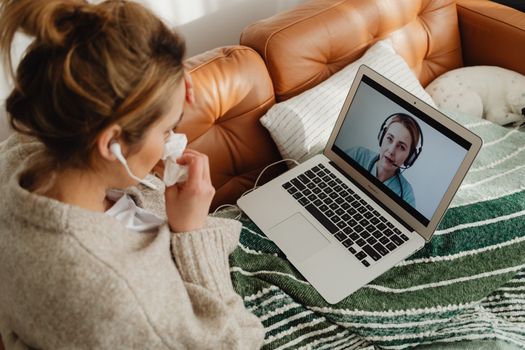 Photo: https://kaboompics.com/ / Pexels
The effectiveness of online therapy for depression has been extensively researched and validated. Numerous studies indicate that teletherapy can be just as effective as face-to-face sessions for treating various mental health conditions, including major depressive disorder, anxiety disorders, and PTSD. The key lies in the therapeutic relationship and the consistent application of evidence-based practices, which are equally feasible in a virtual setting. Therapists on these platforms are often trained in cognitive-behavioral therapy (CBT), dialectical behavior therapy (DBT), psychodynamic therapy, and other modalities proven to be effective for depression. When considering the best online therapy platforms for depression, it's crucial to look for platforms that prioritize licensed professionals, offer a variety of therapeutic approaches, and maintain strict confidentiality standards. Understanding the nuances of how these platforms operate, what they offer, and what to expect can empower you to make an informed decision about your mental health journey. It’s not just about finding a therapist; it’s about finding the right therapeutic environment that fosters healing and growth. For more insights into mental health conditions, explore our resources on understanding anxiety disorders.
Key Features to Look for in Online Depression Therapy Platforms
 Photo: https://kaboompics.com/ / Pexels
Secondly, consider the range of therapeutic approaches offered. Depression often responds well to specific modalities like Cognitive Behavioral Therapy (CBT), Interpersonal Therapy (IPT), and Dialectical Behavior Therapy (DBT). A platform that offers therapists proficient in these evidence-based techniques will likely yield better outcomes. Some platforms also offer medication management services, which can be crucial for individuals whose depression requires a combined approach of therapy and pharmacotherapy.
Third, evaluate the communication methods available. Do you prefer live video sessions that mimic in-person therapy, or would asynchronous messaging, phone calls, or live chat better fit your lifestyle and comfort level? Flexibility in communication can significantly impact your engagement and consistency with treatment.
Fourth, pricing and insurance coverage are significant factors. Online therapy costs can range from subscription models to per-session fees. Some platforms work with insurance providers, while others are entirely out-of-pocket. Understanding the financial commitment upfront, including any potential hidden fees, is essential for sustainable treatment.
Finally, assess the platform's user-friendliness, privacy policies, and customer support. An intuitive interface, robust data encryption, HIPAA compliance, and responsive customer service contribute to a positive and secure therapeutic experience. The ability to easily switch therapists if the initial match isn't ideal is also a valuable feature. By prioritizing these elements, you can better identify the best online therapy platforms for depression that align with your therapeutic goals and personal preferences.
Top Contenders: A Deep Dive into the Best Online Therapy Platforms for Depression
 Photo: https://kaboompics.com/ / Pexels
BetterHelp stands out for its vast network of licensed therapists, offering unparalleled accessibility and a broad range of specializations, including depression. Users are matched with a therapist within 24-48 hours and can communicate via unlimited messaging, live chat, phone, or video sessions. Its subscription model provides flexibility, though insurance coverage can be limited. BetterHelp is ideal for those seeking a wide choice of therapists and flexible communication options.
Talkspace is another prominent player, known for its emphasis on unlimited messaging therapy, complemented by live video sessions. They also offer psychiatry services for medication management, making it a comprehensive solution for many with depression. Talkspace often works with more insurance providers than some competitors, which can significantly reduce out-of-pocket costs. It's a strong choice for individuals who benefit from continuous text-based support between scheduled sessions.
Amwell (American Well) integrates mental health care with broader telehealth services, allowing users to access therapy and psychiatry alongside other medical consultations. This integrated approach can be beneficial for those with co-occurring physical health issues. Amwell is generally well-covered by insurance, making it an accessible option for many. It offers scheduled video sessions and is particularly good for those who prefer a more traditional, appointment-based therapy structure within a larger healthcare ecosystem.
MDLive also offers a comprehensive suite of telehealth services, including therapy and psychiatry. They pride themselves on quick access to providers and a user-friendly platform. MDLive is often covered by major insurance plans, making it a cost-effective choice for many. Their therapists are experienced in treating depression, anxiety, and other common mental health conditions, providing a reliable option for consistent care.
Brightside Health specializes specifically in depression and anxiety, offering a unique blend of evidence-based therapy and personalized medication management. Their approach is highly structured, utilizing proprietary technology to track progress and tailor treatment plans. This specialization can be particularly appealing for individuals seeking a highly focused and data-driven approach to their depression treatment. They offer both therapy-only and combined therapy-and-medication plans.
When evaluating these options, consider your budget, preferred communication style, whether you need medication management, and if insurance coverage is a priority. Each platform aims to provide effective care, but the 'best' one is ultimately the one that best fits your individual circumstances and therapeutic journey. For further reading on mental wellness, consider exploring resources on managing chronic stress.
Maximizing Your Online Therapy Experience: Tips and Common Pitfalls
 Photo: https://kaboompics.com/ / Pexels
- Create a Dedicated Space: Find a quiet, private, and comfortable area for your sessions. This minimizes distractions and helps you focus on the therapeutic process.
- Be Open and Honest: Therapy is most effective when you're transparent with your therapist about your feelings, thoughts, and experiences. Don't hold back, even if it feels uncomfortable.
- Set Goals: Discuss your therapeutic goals with your therapist. Having clear objectives, whether it's improving mood, coping with stress, or building healthier relationships, provides direction.
- Engage Between Sessions: Therapy isn't just about the 50 minutes you spend with your therapist. Actively work on assignments, practice coping strategies, and reflect on discussions between sessions.
- Communicate Your Needs: If something isn't working – the communication style, the pace, or even the therapist match – communicate this openly. Most platforms allow you to switch therapists.
- Ensure Technical Readiness: Test your internet connection, microphone, and camera before each video session to avoid technical disruptions.
- Expecting Instant Results: Healing from depression is a process, not an event. Be patient with yourself and the therapeutic journey.
- Not Doing the Work: Therapy requires effort. Simply showing up isn't enough; you need to actively engage with the material and apply what you learn.
- Ignoring Red Flags: If you feel your therapist isn't a good fit, or if you're uncomfortable for any reason, address it. Don't hesitate to seek a different therapist.
- Lack of Privacy: Conducting sessions in a public or noisy environment can hinder your ability to open up and benefit from the session.
- Over-reliance on Messaging: While convenient, relying solely on asynchronous messaging might not provide the depth of interaction needed for complex issues compared to live sessions.
- Discontinuing Prematurely: Stopping therapy as soon as you feel a little better can lead to relapse. Discuss with your therapist when it's appropriate to transition or conclude treatment.
Comparison
| Feature | BetterHelp | Talkspace | Brightside Health |
|---|---|---|---|
| Therapist Matching | Algorithmic + User Choice | Algorithmic + User Choice | Algorithmic |
| Communication Methods | Video, Phone, Chat, Messaging | Video, Phone, Chat, Messaging | Video, Messaging |
| Medication Management | No (separate service) | Yes (integrated) | Yes (integrated) |
| Insurance Accepted | Limited direct billing | Often accepted | Often accepted |
| Specialization | General Mental Health | General Mental Health | Depression & Anxiety Focused |
| Cost Model | Subscription (weekly billing) | Subscription (monthly billing) | Subscription (monthly billing) |
| Ease of Switching Therapists | ✓ | ✓ | ✗ (less common) |
What Readers Say
"Finding the best online therapy platforms for depression was crucial for me. BetterHelp connected me with an amazing therapist who truly understood my struggles. The flexibility of scheduling made it possible to fit therapy into my busy life, and I've seen significant improvement in my mood and outlook."
Sarah J. · Austin, TX"Talkspace has been a lifesaver. The ability to message my therapist throughout the week, not just during sessions, provided consistent support. It's one of the best online therapy platforms for depression because of that continuous connection, which really helped during tough moments."
Mark T. · Chicago, IL"After trying a few different options, Brightside Health proved to be the best online therapy platform for my depression. Their specialized approach combining therapy and medication management was exactly what I needed. Within three months, my depressive symptoms significantly reduced, and I feel more like myself again."
Emily R. · Denver, CO"Amwell offered convenient access to therapy when I needed it most. While the initial therapist match wasn't perfect, their customer service was helpful in finding a better fit. It's a solid option for online therapy, especially if your insurance covers it, though I wish there were more diverse communication options."
David L. · Miami, FL"As someone with a demanding job, finding time for in-person therapy was impossible. MDLive provided the flexibility I needed. My therapist was empathetic and provided practical tools to manage my depression. It's definitely among the best online therapy platforms for depression for busy professionals."
Jessica P. · Seattle, WAFrequently Asked Questions
Are online therapy platforms for depression as effective as in-person therapy?
Yes, numerous studies and meta-analyses have shown that online therapy can be just as effective as traditional in-person therapy for treating depression. The key factors are the quality of the therapeutic relationship, the use of evidence-based techniques, and consistent engagement from the client. Many find the convenience of online platforms actually increases their adherence to treatment.
Is online therapy for depression confidential and private?
Reputable online therapy platforms are legally and ethically bound to protect your privacy and confidentiality. They are typically HIPAA-compliant, meaning they use secure, encrypted technology for all communications and data storage. Always check a platform's privacy policy to ensure it meets your expectations for data security.
How do I choose the best online therapy platform for my depression?
Consider several factors: your budget and insurance coverage, preferred communication methods (video, phone, chat), whether you need medication management, the types of therapy offered (e.g., CBT, DBT), and the therapist matching process. Reading reviews and trying platforms with flexible cancellation policies can also help you find the best fit.
How much does online therapy for depression cost?
Costs vary significantly. Some platforms operate on a subscription model, ranging from $60-$90 per week (billed monthly), while others charge per session, from $75-$200+. Many platforms accept insurance, which can reduce out-of-pocket expenses. Financial aid or sliding scale fees may also be available depending on the platform.
Can online therapy platforms prescribe medication for depression?
Some online therapy platforms offer integrated psychiatry services, allowing licensed psychiatrists or psychiatric nurse practitioners to prescribe and manage medication for depression. Platforms like Talkspace, Brightside Health, and MDLive often include this option. If medication is a consideration, ensure the platform you choose offers these services.
Who should use online therapy platforms for depression?
Online therapy is suitable for many individuals experiencing mild to moderate depression. It's particularly beneficial for those with busy schedules, limited access to local therapists, mobility issues, or those who prefer the comfort and privacy of their own home. It may not be suitable for severe depression requiring intensive in-person care or immediate crisis intervention.
What if I don't connect with my assigned therapist on an online platform?
Most reputable online therapy platforms understand that therapeutic fit is crucial. They typically allow you to request a new therapist if you don't feel a connection with your initial match. This process is usually straightforward and can be done through your account settings or by contacting customer support.
What are the future trends in online therapy for depression?
Future trends include increased integration of AI for personalized therapy recommendations and progress tracking, more specialized programs for specific depression subtypes, enhanced virtual reality (VR) and augmented reality (AR) applications for exposure therapy, and greater integration with wearable tech for biometric data to inform treatment. Expect even more seamless and personalized care.
Taking the first step towards managing depression is a courageous act. The best online therapy platforms for depression offer a convenient, effective, and often more affordable path to healing. Explore these options today and find the support you deserve to reclaim your well-being and live a more fulfilling life.