Discover the best hospitals for heart surgery US
Navigate your critical decision with our expert guide to America's leading cardiac surgery institutions.
Find Your Best FitKey Takeaways
- ✓ Over 1 million heart surgeries are performed annually in the US.
- ✓ Hospital volume and surgeon experience are key indicators of success.
- ✓ Mortality rates for complex heart procedures vary significantly between hospitals.
- ✓ Specialized centers often offer access to advanced treatments and clinical trials.
How It Works
Consult with your cardiologist to get a precise diagnosis and understand the specific type of heart surgery you require. This clarity is the first step in identifying appropriate hospitals.
Utilize reputable national rankings and our detailed guide to identify hospitals with proven track records in your specific cardiac procedure. Look for data on outcomes, patient volumes, and specializations.
Delve deeper into the credentials of the surgical team and the hospital's specific cardiac program. Consider board certifications, years of experience, and patient testimonials to make an informed choice.
Schedule consultations with surgeons from your top hospital choices to discuss your case directly. Ask critical questions about their approach, potential risks, and recovery expectations before making your final decision.
Understanding Cardiac Surgery Excellence in the US
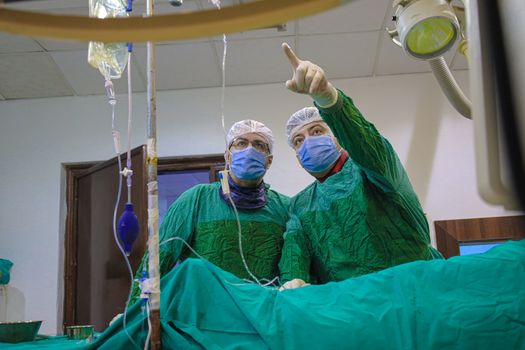 Photo: محمد عزام الشيخ يوسف / Pexels
Cardiac surgery is a highly specialized field, ranging from coronary artery bypass grafting (CABG) to valve repair or replacement, and complex congenital heart defect corrections. Each procedure demands specific proficiencies and resources. A hospital that excels in one area might not necessarily be the leader in another. Therefore, patients must align their specific surgical needs with a hospital's particular strengths. For instance, a hospital renowned for its minimally invasive valve surgery program might be the ideal choice for a patient requiring that procedure, even if another hospital has a higher overall 'best hospital' ranking but specializes more in transplant surgery. The key is granularity in research.
One of the primary indicators of excellence in cardiac surgery is surgical volume. Hospitals and surgeons who perform a high number of specific procedures tend to have better outcomes. This is due to the accumulated experience, refined techniques, and efficient protocols developed over many cases. High-volume centers often attract the most skilled surgeons and nurses, fostering an environment of continuous learning and improvement. They also tend to have dedicated cardiac intensive care units (CICUs) staffed by specialists who understand the unique challenges of heart surgery recovery. Furthermore, access to cutting-edge technology, such as robotic-assisted surgery or advanced imaging techniques, can significantly impact surgical precision and patient recovery. These technologies are often first adopted and perfected in leading cardiac centers.
Beyond the operating room, the continuum of care plays a pivotal role. The best hospitals for heart surgery US provide comprehensive pre-operative evaluation, detailed patient education, robust post-operative rehabilitation programs, and long-term follow-up. This holistic approach ensures that patients are not only physically prepared for surgery but also emotionally supported throughout their journey. Multidisciplinary teams, including cardiologists, cardiac surgeons, anesthesiologists, intensivists, nurses, physical therapists, and dietitians, collaborate to create individualized care plans. This integrated approach is crucial for managing complex cases and optimizing recovery. Patients should investigate these aspects, asking about rehabilitation services, support groups, and how the hospital facilitates a smooth transition back home. Choosing an institution that prioritizes these elements can significantly improve both the short-term recovery and long-term quality of life following heart surgery. Understanding the nuances of hospital care is essential for making an informed decision about your health.
Key Factors for Identifying Top Cardiac Surgery Centers
 Photo: Tima Miroshnichenko / Pexels
Another critical factor is the specialization and sub-specialization within a hospital's cardiac program. Many leading institutions have dedicated centers or programs for specific conditions, such as advanced heart failure, structural heart disease, or adult congenital heart disease. These specialized units often house experts who focus exclusively on these areas, leading to more refined techniques, innovative treatments, and improved patient results. For example, if a patient requires a transcatheter aortic valve replacement (TAVR), they would ideally seek out a hospital with a robust structural heart program and a high volume of TAVR procedures, rather than a general cardiac surgery unit. The presence of a strong research program and participation in clinical trials also signals a hospital at the forefront of medical innovation, often providing access to new therapies before they become widely available.
The quality of the surgical team extends beyond the lead surgeon. It includes the entire support staff, from cardiac anesthesiologists and perfusionists (who manage the heart-lung machine during surgery) to dedicated cardiac nurses and intensivists. The experience and cohesion of this team are paramount. Patients should inquire about the team's experience with their specific procedure, their approach to patient safety, and the protocols in place for managing emergencies. Furthermore, the availability of advanced diagnostic and imaging capabilities, such as 3D echocardiography, cardiac MRI, and CT angiography, is essential for accurate diagnosis, surgical planning, and post-operative assessment. Hospitals investing in these technologies often demonstrate a commitment to providing the highest standard of care.
Finally, patient-centered care and support services significantly contribute to a hospital's overall excellence. This includes clear communication from the medical team, comprehensive patient education, accessible patient navigators, and robust psychological and social support services. The emotional and mental toll of heart surgery can be substantial, and hospitals that recognize and address these needs often foster better recovery environments. Look for hospitals that emphasize shared decision-making, where patients are actively involved in their treatment plans. Online reviews and patient satisfaction scores, while subjective, can offer insights into the patient experience and the hospital's culture of care. While not a definitive measure, they can provide a qualitative perspective to complement quantitative data.
Top-Ranked Institutions: Leading the Way in Cardiac Care
 Photo: Pixabay / Pexels
Among the perennial leaders are institutions such as Cleveland Clinic in Ohio, widely regarded as a global leader in cardiovascular care. Their Heart, Vascular & Thoracic Institute performs an exceptionally high volume of complex procedures, including bypass surgery, valve repair, and heart transplantation, with outcomes that consistently rank among the best. Their integrated team approach and commitment to research and innovation have kept them at the forefront for decades. Similarly, Mayo Clinic in Rochester, Minnesota, is frequently cited for its outstanding patient care, cutting-edge research, and collaborative multidisciplinary teams across all cardiac specialties. Their emphasis on individualized patient care and seamless coordination between departments makes them a top choice for many.
New York-Presbyterian Hospital-Columbia and Cornell in New York City also consistently rank high, particularly for their expertise in heart valve surgery and advanced heart failure treatments. Their robust research programs often mean access to the latest clinical trials and innovative therapies. Cedars-Sinai Medical Center in Los Angeles is another prominent name, especially noted for its heart transplant program and advanced structural heart interventions. Their commitment to pioneering new techniques and therapies, combined with a strong focus on patient safety, makes them a significant player in cardiac care.
Other notable institutions that frequently appear on 'best hospitals for heart surgery US' lists include Massachusetts General Hospital in Boston, known for its comprehensive cardiac services and strong academic ties; Northwestern Memorial Hospital in Chicago, recognized for its advanced cardiovascular surgical techniques; and Stanford Health Care-Stanford Hospital in California, which excels in areas like heart transplantation and complex arrhythmia management. These hospitals not only offer exceptional surgical expertise but also provide extensive support systems, including dedicated cardiac rehabilitation programs, patient education resources, and access to specialized follow-up care. When considering these top-tier institutions, it's advisable to look at their specific departmental outcomes for your particular condition, as well as their geographic accessibility and insurance acceptance. Researching hospital ratings and accreditations can further refine your choice.
Navigating Your Choice: Tips and Common Pitfalls
 Photo: cottonbro studio / Pexels
Tips for Navigating Your Choice:
- Define Your Specific Needs: Understand the exact type of surgery you need. A hospital excelling in valve repair might not be the best for a complex congenital defect.
- Consult Multiple Experts: Get second opinions from different cardiologists or surgeons. This can provide diverse perspectives and confirm the recommended treatment plan.
- Check Surgeon Volume and Experience: For your specific procedure, ask how many times the surgeon performs it annually and their success rates. Experience matters.
- Inquire About the Multidisciplinary Team: A strong cardiac program involves more than just the surgeon. Ask about the experience of the anesthesiologists, intensivists, and cardiac nurses.
- Evaluate Post-Operative Care and Rehabilitation: Recovery is as important as the surgery itself. Ensure the hospital offers robust rehabilitation and support services.
- Consider Logistics: Proximity to family, travel costs, and accommodation can impact your comfort and recovery. Balance top-tier care with practical considerations.
- Review Hospital Accreditation and Safety Scores: Look for accreditations from organizations like the American College of Cardiology and check patient safety ratings.
- Ask About Clinical Trials: If you have a complex or rare condition, inquire if the hospital participates in relevant clinical trials, which might offer access to cutting-edge treatments.
- Relying Solely on Reputation: A hospital's general good reputation doesn't automatically mean it's the best for your specific cardiac surgery. Dig into the details.
- Ignoring Patient Outcomes Data: Don't overlook publicly available data on mortality, complication, and readmission rates. These are objective measures of quality.
- Underestimating the Importance of the Team: Focusing only on the lead surgeon and neglecting the broader surgical and care team is a mistake.
- Overlooking Communication and Support: A lack of clear communication or inadequate patient support services can hinder recovery and cause significant stress.
- Not Asking Enough Questions: Don't be afraid to ask detailed questions about everything from surgical risks to recovery timelines and financial implications.
- Making a Hasty Decision: Unless it's an emergency, take your time to research, consult, and weigh your options carefully.
- Disregarding Insurance Coverage: Ensure the hospital and surgeons are in-network with your insurance plan to avoid unexpected and substantial costs.
Comparison
| Feature | Top-Tier Cardiac Center | Regional Medical Center | Community Hospital |
|---|---|---|---|
| Surgical Volume (Complex Procedures) | Very High | Moderate | Low |
| Specialized Programs | Numerous (e.g., Heart Failure, Structural Heart) | Limited | General Cardiac Care |
| Access to Clinical Trials | High | Limited | Rare |
| Multidisciplinary Team | ✓ | ✗ | ✗ |
| Advanced Technology & Imaging | State-of-the-art | Standard | Basic |
| Post-Op Rehabilitation | Comprehensive, Dedicated Programs | Standard, Outpatient Referrals | Basic Referrals |
| Patient Outcomes (Mortality/Complications) | Consistently Low | Variable | Higher Variability |
What Readers Say
"After extensive research for the best hospitals for heart surgery US, we chose Cleveland Clinic for my father's complex valve replacement. The communication, surgical expertise, and post-op care were beyond exceptional. He's recovering remarkably well."
Sarah J. · Dallas, TX"My experience at Massachusetts General Hospital for my bypass surgery was outstanding. Every member of the team, from the nurses to the surgeon, was incredibly supportive and highly skilled. I felt completely safe and well-cared for throughout my entire stay."
Michael R. · Boston, MA"Cedars-Sinai saved my life with a successful heart transplant. Their transplant team is truly world-class, and the care I received was meticulous. Choosing them was the best decision I ever made."
Emily C. · Los Angeles, CA"Northwestern Memorial Hospital provided excellent care for my aortic aneurysm repair. While the recovery was tough, the surgical team was highly competent, and the facilities were state-of-the-art. Communication could have been slightly better at times, but overall, a very positive outcome."
David L. · Chicago, IL"Though not one of the absolute top-tier national hospitals, my local hospital, Emory University Hospital, performed exceptionally well for my minor cardiac procedure. Their specialized cardiac unit and dedicated staff made a huge difference, proving that sometimes the 'best' is also close to home."
Jessica M. · Atlanta, GAFrequently Asked Questions
What is the most important factor in choosing the best hospitals for heart surgery US?
The most important factor is the hospital and surgeon's specific experience and outcomes for the *exact type* of heart surgery you need. While overall rankings are helpful, delve into their specialty programs, surgical volumes, and complication rates for your particular condition. A high-volume center with a specialized program often indicates greater expertise.
Will my insurance cover surgery at a top-ranked heart hospital?
Insurance coverage varies significantly. While many top-ranked hospitals accept a wide range of insurance plans, it's crucial to verify directly with your insurance provider and the hospital's billing department. Confirm that both the hospital and the specific surgeons involved are in-network to avoid unexpected and potentially large out-of-pocket expenses.
How can I compare patient outcomes between different hospitals?
You can compare patient outcomes by looking at publicly available data from sources like the Centers for Medicare & Medicaid Services (CMS) Hospital Compare, state health department reports, and organizations like The Society of Thoracic Surgeons (STS) National Database. These resources often provide data on mortality rates, complication rates, and readmission rates for specific cardiac procedures, allowing for objective comparison.
Are the most expensive hospitals always the best for heart surgery?
Not necessarily. While many top-tier hospitals are academic medical centers with higher costs, 'expensive' doesn't automatically equate to 'best outcomes.' Value in healthcare comes from a combination of quality, safety, and appropriate cost. Focus on outcome data, surgeon experience, and comprehensive care rather than just the price tag.
How do I choose between a nationally ranked hospital and a highly-rated local hospital?
This depends on the complexity of your condition and your personal circumstances. For highly complex or rare heart surgeries, a nationally ranked hospital with deep specialization is often preferable. For more routine procedures, a highly-rated local hospital with strong cardiac services, good outcomes, and closer proximity to your support system might be an excellent choice. Weigh the specific expertise needed against the logistical benefits.
Who should consider traveling for heart surgery at a specialized center?
Patients with complex, rare, or high-risk cardiac conditions should strongly consider traveling to a highly specialized center. These centers often have greater experience with difficult cases, access to advanced techniques, and dedicated multidisciplinary teams that can significantly improve outcomes. For routine procedures, traveling may not be necessary if excellent care is available locally.
What are the risks of choosing a lower-ranked hospital for heart surgery?
Choosing a lower-ranked hospital, particularly for complex procedures, may carry higher risks. These could include higher mortality rates, increased chances of complications, less experienced surgical teams, and potentially less access to advanced technology or specialized post-operative care. It's crucial to ensure any chosen hospital meets acceptable standards for your specific procedure.
What future trends are impacting cardiac surgery and hospital selection?
Future trends include the increasing use of minimally invasive and robotic-assisted techniques, advancements in transcatheter valve therapies, personalized medicine approaches based on genetic profiles, and the integration of artificial intelligence for diagnostics and surgical planning. Hospitals investing in these innovations will continue to lead, influencing future hospital selection based on access to these cutting-edge treatments.
Making an informed decision about the best hospitals for heart surgery US is paramount for your health and recovery. Utilize this comprehensive guide, conduct thorough research, and engage in open dialogue with medical professionals to select the institution that best aligns with your specific needs and ensures the highest quality of care for your cardiac health journey.