✓ Improved access to specialists, regardless of geographic location.
✓ Enhanced medication adherence and lifestyle management through virtual support.
How It Works
1
Schedule a Virtual Appointment
Patients can book appointments online or via an app, choosing a time that fits their schedule. They receive confirmation and instructions for connecting with their provider.
2
Connect with Your Provider
Using a secure video conferencing platform, patients meet with their doctor from the comfort of their home. This allows for real-time discussion of symptoms and treatment plans.
3
Receive Remote Monitoring & Support
Many telemedicine platforms integrate with devices like blood pressure cuffs or glucose monitors, allowing providers to track vital signs. This continuous data helps tailor care and intervene proactively.
4
Access Prescriptions & Referrals
Following the consultation, prescriptions can be sent electronically to a pharmacy of choice. Providers can also facilitate referrals to specialists or order lab tests as needed, all managed digitally.
Enhanced Accessibility and Convenience for Chronic Disease Management
Photo: https://kaboompics.com/ / Pexels
For millions of Americans living with chronic conditions such as diabetes, heart disease, asthma, or autoimmune disorders, managing their health is a daily, often arduous, task. Traditional healthcare models frequently present significant barriers to consistent and effective care. These barriers can include geographical distance to specialists, transportation challenges, inflexible work schedules, and the physical discomfort of traveling to appointments, especially during symptom flare-ups. This is where the profound benefits of telemedicine for chronic conditions truly shine, transforming the landscape of long-term health management. Telemedicine dismantles these conventional obstacles by bringing healthcare directly to the patient, wherever they may be. Imagine a patient with severe arthritis who struggles with mobility; instead of enduring a painful car ride and navigating a crowded clinic, they can consult with their rheumatologist from their living room. This level of convenience is not just a luxury; it's a critical factor in improving adherence to treatment plans and overall quality of life. The ability to schedule appointments at times that fit into a busy life – perhaps during a lunch break or after children are in bed – removes a major source of stress and allows individuals to integrate healthcare into their routines more seamlessly. Furthermore, in rural areas where access to specialized care is often limited, telemedicine acts as a vital bridge. Patients who once faced hours of travel to see an endocrinologist or cardiologist can now connect with these experts virtually, ensuring they receive timely and appropriate care regardless of their zip code. This expanded access is particularly crucial for chronic conditions that require ongoing, specialized oversight. It prevents delays in diagnosis, adjustments to medication, and monitoring of disease progression, all of which are essential for preventing complications and maintaining stability. The convenience extends beyond just the appointment itself. Telemedicine platforms often include features for secure messaging with care teams, prescription refills, and access to educational resources, creating a comprehensive and easily accessible support system. This constant connection fosters a sense of security and continuous care, which is invaluable for patients managing complex, fluctuating conditions. The reduced need for physical travel also translates into tangible savings, not just in gas and public transport fares, but also in lost work hours and childcare costs, making healthcare more economically viable for many households. By minimizing these logistical burdens, telemedicine empowers patients to prioritize their health without sacrificing other essential aspects of their lives, leading to a more consistent and engaged approach to chronic disease management. Learn more about the evolution of telehealth services.
Improved Health Outcomes Through Consistent Monitoring and Early Intervention
Photo: RDNE Stock project / Pexels
One of the most compelling benefits of telemedicine for chronic conditions lies in its capacity for consistent monitoring and early intervention, which are pivotal for preventing acute episodes and improving long-term health outcomes. Chronic diseases are characterized by their persistent nature, often requiring continuous adjustments to medication, lifestyle, and treatment strategies based on evolving symptoms and physiological data. Telemedicine facilitates this ongoing oversight through various remote monitoring technologies. For instance, a patient with Type 2 diabetes can use a connected glucose meter that automatically transmits blood sugar readings to their healthcare provider. Similarly, individuals with hypertension can utilize smart blood pressure cuffs, and those with heart failure might employ wearable devices that track heart rate and activity levels. This continuous stream of real-time data allows clinicians to gain a far more comprehensive and dynamic understanding of a patient's condition than episodic in-person visits ever could. Instead of relying solely on self-reported symptoms or data collected during a brief office visit, providers can identify trends, detect anomalies, and recognize early warning signs that might otherwise go unnoticed until a crisis point is reached. This proactive approach is a game-changer. For example, a sudden spike in blood pressure readings for a hypertensive patient, or consistently elevated glucose levels for a diabetic, can trigger an immediate alert to the care team. The physician or nurse can then intervene quickly, perhaps by adjusting medication dosages, offering dietary advice, or scheduling a virtual consultation to discuss the situation. This swift response can prevent a minor issue from escalating into a severe medical event, such as a stroke, heart attack, or diabetic ketoacidosis, which often necessitate costly and impactful emergency room visits or hospitalizations. Beyond preventing crises, consistent monitoring also empowers patients to become more active participants in their own care. Seeing their own data, understanding the direct impact of lifestyle choices on their health metrics, and receiving immediate feedback from their providers can significantly enhance self-management skills and motivation. This engagement is crucial for adherence to complex treatment regimens, dietary restrictions, and exercise programs that are often central to managing chronic conditions effectively. Virtual check-ins and follow-up appointments, easily scheduled and accessed, reinforce positive behaviors and address any emerging concerns promptly. The ability to maintain regular communication with a healthcare team, even between formal appointments, builds a stronger patient-provider relationship, fostering trust and ensuring that care remains personalized and responsive to the patient's evolving needs. This continuous loop of data collection, analysis, and timely intervention is fundamentally reshaping how chronic conditions are managed, moving from a reactive model to a highly proactive and preventative one, ultimately leading to a higher quality of life and reduced burden on the healthcare system.
Cost-Effectiveness and Reduced Burden on the Healthcare System
Photo: Towfiqu barbhuiya / Pexels
The economic implications of managing chronic conditions are substantial, both for individuals and the broader healthcare system. Traditional in-person care often incurs significant direct and indirect costs that telemedicine can effectively mitigate, making it a highly cost-effective solution and reducing overall healthcare burden. For patients, the direct costs associated with chronic disease management include transportation expenses, parking fees, and potential loss of income due to time taken off work for appointments. These costs can accumulate rapidly, especially for individuals requiring frequent specialist visits or traveling long distances. Telemedicine eliminates or drastically reduces these out-of-pocket expenses, making consistent care more financially accessible. For instance, a patient needing monthly consultations for kidney disease can save hundreds of dollars annually on travel alone, not to mention the value of uninterrupted workdays. The indirect costs, such as the stress and logistical challenges of arranging childcare or elder care during appointments, are also significantly alleviated, contributing to a better overall patient experience and reducing the hidden burdens of chronic illness. From the healthcare system's perspective, telemedicine offers several avenues for cost reduction and efficiency improvement. Firstly, by facilitating early intervention and consistent monitoring, telemedicine plays a crucial role in preventing acute exacerbations and complications that often lead to expensive emergency room visits and hospitalizations. A proactive approach, enabled by remote data collection and virtual consultations, can keep chronic conditions stable, averting high-cost critical care. For example, remote monitoring of heart failure patients has been shown to reduce hospital readmissions, a major cost driver for healthcare providers. Secondly, telemedicine optimizes resource utilization within clinics and hospitals. It can reduce the need for physical space, administrative staff for scheduling and check-ins, and the logistical complexities of managing patient flow in crowded waiting rooms. Providers can often see more patients virtually in a given timeframe compared to in-person visits, improving efficiency and expanding access without increasing physical infrastructure. This scalability is particularly valuable in areas with physician shortages or during public health crises. Thirdly, telemedicine can improve medication adherence and lifestyle modification, which are critical for preventing disease progression. When patients are more engaged and have easier access to their care team, they are more likely to follow treatment plans, leading to better health outcomes and fewer complications that would otherwise require expensive interventions. The ability to quickly clarify medication questions or discuss side effects virtually can prevent patients from discontinuing vital treatments. Insurers and payers are increasingly recognizing these economic benefits, leading to broader coverage for telemedicine services, further solidifying its role as a sustainable and cost-effective component of chronic disease management. Explore how digital health tools are shaping patient engagement.
Tips for Maximizing the Benefits of Telemedicine for Chronic Conditions
Photo: SHVETS production / Pexels
To truly harness the full potential of telemedicine for managing your chronic condition, a proactive and informed approach is essential. It's not merely about having a virtual appointment; it's about integrating virtual care seamlessly into your overall health strategy. Here are some key tips to ensure you're getting the most out of your telemedicine experience:
* **Prepare Thoroughly for Every Appointment:** Just as you would for an in-person visit, gather all relevant information before your virtual consultation. This includes a list of your current medications (dosages and frequency), any new or worsening symptoms, questions you have for your doctor, and recent readings from any home monitoring devices (blood pressure, glucose, weight, etc.). Having this information organized and readily available will make your appointment more efficient and productive.
* **Ensure a Stable Internet Connection and Private Space:** A reliable internet connection is crucial for a smooth video call. Test your connection beforehand and choose a quiet, well-lit, and private space where you won't be interrupted. This ensures confidentiality and allows you to focus entirely on your conversation with the provider without technical glitches or distractions.
* **Understand Your Technology:** Familiarize yourself with the telemedicine platform your provider uses. Know how to log in, test your microphone and camera, and navigate any features like chat or screen sharing. Most platforms are user-friendly, but a quick practice run can prevent anxiety and delays during the actual appointment.
* **Utilize Remote Monitoring Devices:** If your condition benefits from remote monitoring, embrace the technology. Consistent use of devices like smart blood pressure cuffs, continuous glucose monitors, or wearable fitness trackers provides your care team with invaluable data. Make sure these devices are properly calibrated and that you understand how to share the data with your provider.
* **Don't Hesitate to Ask for Clarification:** In a virtual setting, it can sometimes feel different to interrupt or ask for repeats. However, it's paramount that you fully understand your diagnosis, treatment plan, and any instructions. If something is unclear, ask your provider to explain it in different terms or to write it down in the chat feature.
* **Maintain Regular Communication Between Appointments:** Many telemedicine platforms offer secure messaging. Use this feature to ask non-urgent questions, report minor changes in symptoms, or request prescription refills. This continuous communication helps your care team stay updated on your condition and can prevent small issues from becoming larger problems.
* **Keep a Personal Health Journal:** Documenting your symptoms, mood, diet, exercise, and medication adherence can provide valuable insights that you might forget during an appointment. This journal can be a digital app or a physical notebook, and sharing relevant entries with your provider can significantly enhance the quality of your care.
* **Advocate for Your Needs:** Telemedicine empowers you to be a more active participant in your care. Don't be afraid to voice your concerns, preferences, or goals. A collaborative approach with your healthcare team, facilitated by virtual tools, will yield the best outcomes for managing your chronic condition.
Comparison
Feature
Telemedicine for Chronic Conditions
Traditional In-Person Care
Urgent Care Clinics
Accessibility
High (from home, rural areas)
Moderate (geographic, transport limits)
Moderate (requires travel)
Convenience
Very High (flexible scheduling, no travel)
Low (fixed times, travel, waiting)
Moderate (walk-in, but still requires travel)
Continuous Monitoring
Excellent (remote devices, data integration)
Limited (episodic checks)
None (acute care focus)
Specialist Access
High (nationwide network)
Moderate (local availability)
Low (general practitioners only)
Cost Savings (Patient)
Significant (no travel, less missed work)
Low (travel, time off work)
Moderate (copays, but no travel time)
Proactive Care
Very High (early intervention based on data)
Moderate (reactive to symptoms)
Low (only addresses acute issues)
What Readers Say
★★★★★
"Managing my Type 1 diabetes has been so much easier with telemedicine. I can check in with my endocrinologist every month without taking time off work, and my glucose readings are automatically shared. It's truly a lifesaver for consistent care."
Maria S. · Austin, TX
★★★★★
"Living in a remote area, seeing a cardiologist used to be a full-day event. Now, with telemedicine, I have regular check-ups from home, and my heart condition is better managed than ever before. The access to specialists is incredible."
David L. · Rural Montana
★★★★★
"My chronic pain condition requires frequent adjustments to my medication. Telemedicine allows my pain specialist to monitor my progress and make changes quickly, which has led to a significant reduction in my pain levels and improved daily function."
Sarah K. · Chicago, IL
★★★★★
"Telemedicine has been largely excellent for my asthma. While I still need an in-person visit for lung function tests, the virtual follow-ups for medication management and symptom review are incredibly convenient and effective. It's a great complement to my care."
Robert M. · Miami, FL
★★★★★
"As a busy working mom with an autoimmune disease, telemedicine has revolutionized my healthcare. I can do my appointments during my lunch break, and my doctor can review my symptoms and lab results remotely. It's given me so much more control over my health without disrupting my life."
Jessica T. · Seattle, WA
Frequently Asked Questions
What chronic conditions are best suited for telemedicine management?
Many chronic conditions benefit greatly from telemedicine, including diabetes, hypertension, asthma, COPD, heart failure, thyroid disorders, certain autoimmune diseases, mental health conditions, and chronic pain. Essentially, any condition requiring regular monitoring, medication adjustments, and patient education can be effectively managed virtually, often reducing the need for frequent in-person visits.
Is telemedicine for chronic conditions less personal than in-person care?
While the format is different, telemedicine can foster a highly personal and consistent care experience. Regular virtual check-ins often allow for more frequent interactions than traditional care, building a strong rapport between patient and provider. The focus shifts to active listening and data-driven insights, ensuring personalized care tailored to evolving needs.
How do I get started with telemedicine for my chronic condition?
Start by discussing telemedicine options with your current healthcare provider or insurance company. Many providers now offer virtual care. You'll typically need a smartphone, tablet, or computer with internet access. Your provider's office will guide you through setting up an account on their chosen telemedicine platform and scheduling your first virtual appointment.
Will my insurance cover telemedicine appointments for chronic conditions?
Most major insurance providers, including Medicare and Medicaid, now cover telemedicine services for chronic conditions, especially since the COVID-19 pandemic expanded access. Coverage details can vary by plan and state, so it's always best to contact your insurance provider directly to confirm your benefits and any associated co-pays.
How does telemedicine compare to urgent care for chronic condition flare-ups?
Telemedicine for chronic conditions focuses on ongoing, preventative, and maintenance care with your regular provider, aiming to prevent flare-ups. Urgent care, conversely, is designed for immediate, non-life-threatening acute issues. While telemedicine can address minor flare-ups, severe or emergent conditions still require in-person care, potentially at an urgent care or emergency room.
Who should consider using telemedicine for chronic condition management?
Anyone living with a chronic condition who seeks greater convenience, improved access to specialists, consistent monitoring, and a more integrated approach to their health management should consider telemedicine. It's particularly beneficial for individuals with mobility challenges, those in rural areas, or people with busy schedules who struggle to attend frequent in-person appointments.
Are my health data and personal information secure during telemedicine appointments?
Reputable telemedicine platforms are built with robust security measures to protect patient privacy and comply with HIPAA (Health Insurance Portability and Accountability Act) regulations. This includes end-to-end encryption for video calls, secure data storage, and strict access controls to ensure your health information remains confidential and protected.
What future trends can we expect in telemedicine for chronic care?
The future of telemedicine for chronic care is bright, with trends pointing towards even greater integration of AI-powered diagnostics, advanced wearable sensors for predictive analytics, personalized digital coaching, and virtual reality for rehabilitation or mental health support. We can expect more comprehensive, preventative, and highly personalized virtual care models.
Embrace the future of chronic disease management by exploring the benefits of telemedicine. Take control of your health with unparalleled convenience, consistent support, and expert care, all from the comfort of your home. Start a conversation with your provider today about integrating virtual care into your treatment plan.
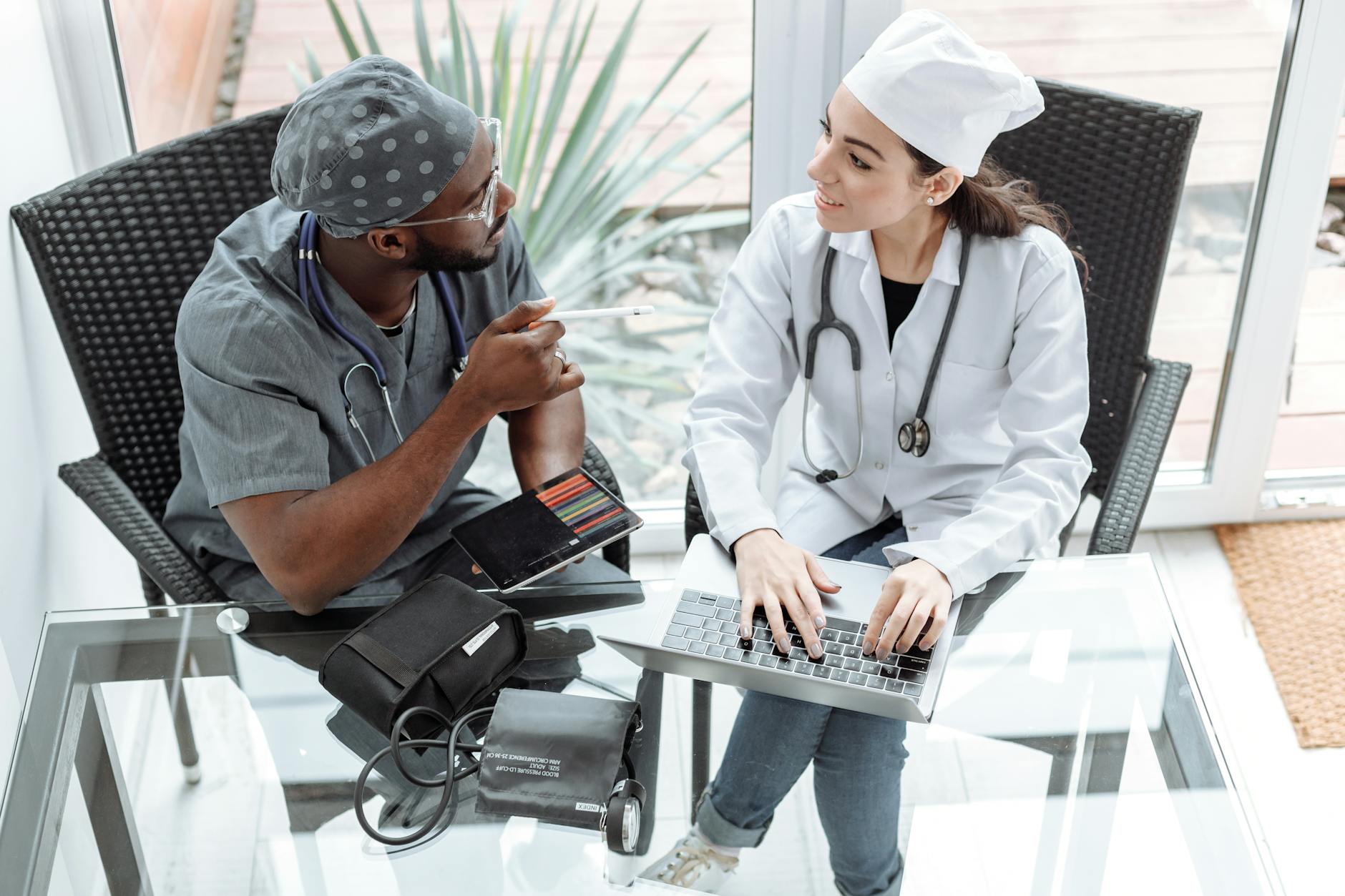
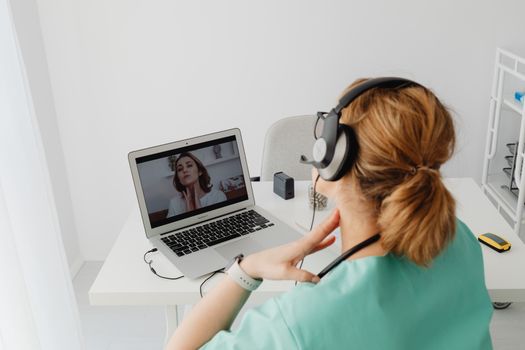 Photo: https://kaboompics.com/ / Pexels
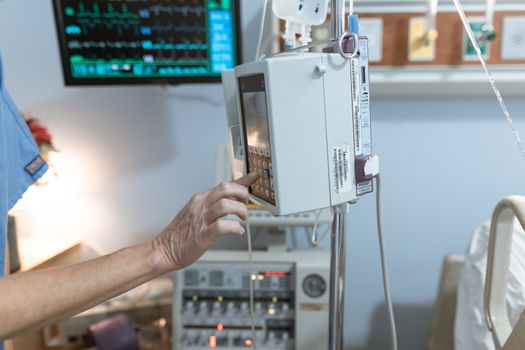 Photo: RDNE Stock project / Pexels
 Photo: Towfiqu barbhuiya / Pexels
 Photo: SHVETS production / Pexels