Unlock Health: Benefits of Preventative Health Screenings
July 30, 2026 14 min read 2,840 words
Proactive health management through screenings leads to early detection, better treatment outcomes, and enhanced quality of life.
Prioritize Your Health Today
The Indispensable Role of Early Disease Detection
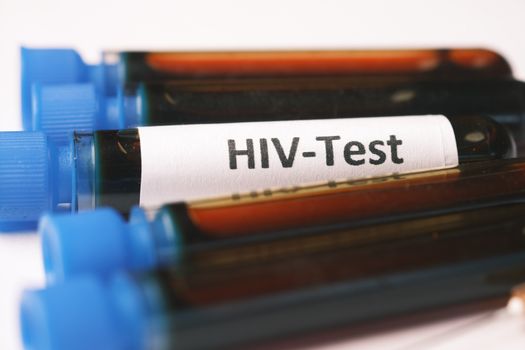 Photo: Towfiqu barbhuiya / Pexels
In the complex landscape of modern medicine, the adage that 'prevention is better than cure' has never been more pertinent, especially when discussing the profound
benefits of preventative health screenings. These screenings are not merely routine medical appointments; they represent a proactive stance against potential health crises, offering a window into our body's current state before overt symptoms manifest. Imagine a scenario where a lurking disease, such as certain cancers or cardiovascular conditions, begins its insidious development without any noticeable signs. By the time symptoms become apparent, the disease might have progressed to a more advanced stage, making treatment more challenging, more invasive, and often, less successful. This is precisely where preventative health screenings prove invaluable. They serve as an early warning system, designed to identify risk factors or the very early stages of a disease. For instance, a colonoscopy can detect precancerous polyps in the colon, allowing for their removal before they ever turn cancerous. Similarly, mammograms can identify breast cancer at a stage where it is highly treatable, often requiring less aggressive interventions like lumpectomies rather than full mastectomies, and significantly improving survival rates. Blood tests, another cornerstone of preventative care, can reveal elevated cholesterol levels or pre-diabetic conditions, empowering individuals and their healthcare providers to implement lifestyle changes or medical interventions that can prevent the onset of heart disease or type 2 diabetes. The impact of early detection extends beyond just the physical body. It significantly reduces the emotional and financial burden associated with advanced disease. The stress of a late-stage diagnosis, the grueling nature of intensive treatments, and the astronomical costs of prolonged hospital stays and specialized therapies can be devastating for individuals and their families. By catching conditions early, preventative screenings often lead to simpler, less expensive treatments, shorter recovery times, and a faster return to a normal, healthy life. Moreover, understanding one's health status through screenings fosters a sense of control and empowerment. It allows individuals to make informed decisions about their lifestyle, diet, and exercise, often leading to a holistic improvement in overall well-being. This proactive approach transforms healthcare from a reactive model, where treatment begins only after illness strikes, to a preventative one, where health is continuously monitored and maintained. The shift in focus not only benefits the individual but also contributes to a healthier, more productive society by reducing the prevalence of chronic and debilitating diseases. The data consistently supports the efficacy of early detection; numerous studies have demonstrated a direct correlation between regular screening participation and improved long-term health outcomes, emphasizing that these screenings are not an optional luxury but a vital component of responsible health management. By embracing preventative screenings, we are investing in our future health, ensuring that potential threats are identified and addressed before they can inflict significant harm, thereby safeguarding our most precious asset: our well-being. This proactive approach to health truly underscores the transformative power of early disease detection.
Enhancing Quality of Life and Longevity Through Proactive Care
 Photo: Vlada Karpovich / Pexels
The pursuit of a long, healthy, and fulfilling life is a universal aspiration, and preventative health screenings stand as a cornerstone in achieving this goal. Beyond merely detecting disease, these screenings play a critical role in enhancing an individual's overall quality of life and significantly extending their healthy lifespan. Consider the impact of chronic conditions like hypertension, diabetes, or certain cardiovascular diseases. If left unchecked, these conditions can progressively erode physical capabilities, mental acuity, and general well-being, leading to a diminished quality of life characterized by constant medical management, restricted activities, and a dependence on medication. However, through regular preventative screenings, these conditions can be identified in their nascent stages, often when they are asymptomatic. This early identification provides a crucial window for intervention, allowing healthcare providers and individuals to implement strategies that can either prevent the disease from fully developing or effectively manage its progression. For instance, a routine blood pressure check can flag hypertension before it causes damage to organs like the heart, kidneys, or brain. Early intervention, often through lifestyle modifications such as diet and exercise, can normalize blood pressure, preventing the onset of strokes, heart attacks, and kidney failure. Similarly, early detection of pre-diabetes allows for dietary changes and increased physical activity that can avert the development of full-blown type 2 diabetes, saving individuals from the complications associated with the disease, including nerve damage, vision loss, and kidney disease. The benefits extend to mental health as well. The peace of mind that comes from knowing your health status and proactively addressing any potential issues is invaluable. The anxiety and uncertainty associated with undiagnosed symptoms or the fear of a serious illness can take a significant toll on mental well-being. Preventative screenings, even when revealing a minor concern, offer clarity and a pathway to resolution, reducing stress and promoting a more positive outlook on health. Furthermore, by preventing the severe consequences of advanced diseases, individuals can maintain their independence, continue to engage in activities they love, and contribute actively to their communities for much longer. This translates directly into an enhanced quality of life, marked by vitality, mobility, and cognitive function. The investment in preventative screenings is an investment in future years of healthy living, allowing individuals to spend more time with loved ones, pursue hobbies, and achieve personal goals without the debilitating constraints of illness. Longevity is not just about extending the number of years lived, but about extending the number of *healthy* years lived. Preventative screenings contribute to this by minimizing the impact of age-related diseases and chronic conditions, ensuring that those extra years are lived with vigor and purpose. This proactive approach ensures that individuals are not just surviving, but thriving, embodying the true spirit of health and wellness, and maximizing their potential for a long and fulfilling life. The data unequivocally supports that individuals who regularly engage in preventative care experience fewer serious health events, require less emergency medical intervention, and report higher levels of overall life satisfaction, solidifying the critical role of screenings in promoting both quality of life and longevity.
Navigating the Landscape of Common Preventative Screenings
 Photo: MART PRODUCTION / Pexels
Understanding which preventative health screenings are relevant to you is a crucial step in taking control of your health journey. The recommendations for specific screenings are not one-size-fits-all; they are typically tailored based on age, gender, family medical history, lifestyle factors, and ethnicity. A detailed discussion with your primary care physician is the best way to develop a personalized screening schedule, but here, we can explore some of the most common and impactful screenings that form the bedrock of preventative healthcare in the US. For both men and women, routine blood pressure checks are paramount, as hypertension often presents without symptoms but can lead to severe cardiovascular issues. Similarly, cholesterol screenings (lipid panels) are essential to assess the risk of heart disease and stroke, often recommended starting in early adulthood and continuing regularly. Blood glucose tests, such as fasting blood sugar or HbA1c, are vital for detecting pre-diabetes or type 2 diabetes, conditions that are increasingly prevalent and can have widespread health implications if unmanaged. For women, regular mammograms are critical for early detection of breast cancer, typically recommended annually or biennially for women over 40 or 50, depending on individual risk factors and guidelines. Pap tests (Papanicolaou tests) are equally important for cervical cancer screening, usually starting in the early 20s and continuing every few years. Bone density screenings (DEXA scans) may be recommended for older women, especially after menopause, to detect osteoporosis and prevent debilitating fractures. Men, particularly as they age, should discuss prostate cancer screenings with their doctors, which may include a PSA blood test and a digital rectal exam, though the recommendations for these can vary and should be an individualized decision based on risk and personal values. For both genders, colon cancer screening is highly recommended, typically starting at age 45 or 50, and can involve colonoscopies, stool-based tests, or sigmoidoscopies. These screenings are incredibly effective at detecting precancerous polyps or early-stage cancer. Additionally, for individuals with specific risk factors, screenings for infectious diseases such as HIV, Hepatitis C, and STIs are important. Skin cancer screenings, often conducted during annual physical exams, are also vital, especially for those with a history of sun exposure or a family history of melanoma. Vision and hearing tests, while sometimes overlooked, are also crucial components of preventative care, as sensory impairments can significantly impact quality of life and safety. Your doctor will also consider your vaccination status, ensuring you are up-to-date on immunizations like influenza, tetanus, and shingles, which are a form of preventative health in themselves. The key takeaway is that preventative screenings are a dynamic and evolving field. Guidelines are regularly updated based on new research and understanding. Therefore, maintaining an open dialogue with your healthcare provider is indispensable. They can interpret the latest recommendations in the context of your unique health profile, guiding you toward the most beneficial screenings and helping you understand the
importance of a personalized health plan. By actively participating in this process, you ensure that you are receiving the most appropriate and effective preventative care available, maximizing your chances for long-term health and well-being.
Practical Tips for Maximizing Your Screening Benefits
 Photo: cottonbro studio / Pexels
To truly harness the full potential of preventative health screenings, a strategic and informed approach is essential. It's not enough to simply show up for an appointment; maximizing the benefits involves active participation and thoughtful preparation. Here are some practical tips to ensure you get the most out of every screening:
* **Maintain an Up-to-Date Health Record:** Keep a detailed record of your personal and family medical history, including any chronic conditions, past surgeries, medications, and previous screening results. This information is invaluable for your doctor in recommending appropriate tests and interpreting results.
* **Be Honest and Thorough with Your Doctor:** Don't hold back information about your lifestyle, concerns, or symptoms, no matter how minor they seem. Your doctor relies on this comprehensive picture to assess your risk factors accurately and tailor screening recommendations.
* **Understand Your Insurance Coverage:** Before scheduling tests, clarify what preventative screenings your insurance plan covers. Many preventative services are fully covered under the Affordable Care Act, but understanding your specific plan can help avoid unexpected costs.
* **Prepare for Your Screenings:** Follow all pre-screening instructions diligently. Whether it's fasting for a blood test or specific dietary restrictions for a colonoscopy, adherence is crucial for accurate results.
* **Ask Questions About Your Results:** Don't hesitate to ask your doctor to explain your test results in clear, understandable language. Inquire about what the numbers or findings mean for your health, any next steps, and what you can do to maintain or improve your health.
* **Follow Through on Recommendations:** If a screening identifies an area of concern, follow your doctor's recommendations for follow-up tests, specialist referrals, or lifestyle changes. The benefit of early detection is lost if you don't act on the findings.
* **Adhere to Recommended Schedules:** Preventative screenings are most effective when done regularly, according to recommended guidelines. Mark your calendar and schedule appointments in advance to stay on track.
* **Educate Yourself (from Reliable Sources):** While your doctor is your primary resource, educating yourself about general screening guidelines and health conditions from reputable sources (like the CDC, NIH, or Mayo Clinic) can empower you to have more informed discussions with your healthcare provider.
By adopting these practices, you transform preventative health screenings from mere appointments into powerful tools for proactive health management. Your active engagement ensures that you are not just a passive recipient of medical care, but an informed partner in safeguarding your own well-being, paving the way for a healthier and more vibrant future.