Unlocking the Benefits of Virtual Doctor Visits
July 24, 2026 16 min read 3,176 words
Experience modern healthcare that prioritizes your time, comfort, and well-being, making quality medical advice more accessible than ever.
Explore Virtual Care Now
Unparalleled Convenience and Accessibility in Healthcare
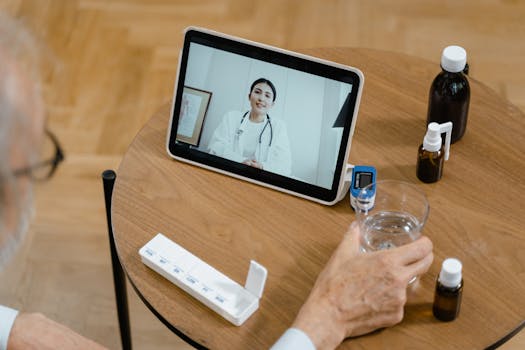 Photo: Tima Miroshnichenko / Pexels
In today's fast-paced world, convenience is no longer a luxury but a necessity, especially when it comes to managing our health. The benefits of virtual doctor visits stand out profoundly in this regard, offering an unparalleled level of ease and accessibility that traditional in-person appointments simply cannot match. Imagine waking up with a persistent cough or a mild fever. Instead of rearranging your entire day, battling traffic, finding parking, and waiting in a crowded reception area, you can simply log onto a secure platform from the comfort of your home or office. This immediate access to medical professionals eliminates significant logistical hurdles, making healthcare a seamless part of your daily life rather than a disruptive event. For individuals living in rural areas, where access to specialized medical care might be hours away, virtual visits are nothing short of revolutionary. They bridge geographical gaps, connecting patients to a wider network of doctors and specialists who might otherwise be out of reach. This expanded access ensures that everyone, regardless of their location, can receive timely and expert medical advice. Moreover, for those with mobility issues, chronic conditions, or compromised immune systems, the ability to consult with a doctor without leaving home is a game-changer. It reduces the physical strain of travel and minimizes exposure to potential infections in waiting rooms, safeguarding their health and well-being. Parents of young children also find immense value in virtual appointments. Instead of coordinating childcare or bringing a sick child into a public space, they can consult with a pediatrician while their child rests comfortably at home. This not only reduces stress for the parents but also prevents the spread of illness to others. The flexibility offered by virtual doctor visits extends to scheduling as well. Many platforms offer extended hours, allowing patients to book appointments early in the morning, late in the evening, or even on weekends, accommodating diverse work schedules and personal commitments. This flexibility empowers individuals to prioritize their health without sacrificing their professional or personal obligations. The convenience also translates into significant time savings. Studies show that a typical in-person doctor's visit can consume several hours of a patient's day, factoring in travel, waiting times, and the appointment itself. Virtual visits drastically cut down this time, often lasting just 15-30 minutes from start to finish, freeing up valuable hours for other activities. Furthermore, the ease of access extends beyond primary care. Many specialists, including dermatologists, psychiatrists, and even some cardiologists, now offer virtual consultations, expanding the scope of conditions that can be managed remotely. This comprehensive approach ensures that patients receive holistic care without the need for multiple in-person trips to various clinics. The digital nature of these visits also facilitates easier record-keeping and information sharing. Post-visit summaries, prescription details, and follow-up instructions are often available digitally, ensuring patients have all the necessary information at their fingertips. This streamlined process enhances patient engagement and adherence to treatment plans. In essence, the convenience and accessibility afforded by virtual doctor visits are transforming the healthcare landscape, making it more patient-centric and responsive to the demands of modern living. It’s about bringing quality medical care directly to you, on your terms, ensuring that health remains a top priority without becoming a burden. This shift not only improves individual health outcomes but also contributes to a more efficient and equitable healthcare system overall.
Learn more about modern medical practices.
Cost-Effectiveness and Enhanced Efficiency
 Photo: www.kaboompics.com / Pexels
Beyond the undeniable convenience, another significant area where the benefits of virtual doctor visits shine is in their cost-effectiveness and enhanced efficiency for both patients and the healthcare system. Financial considerations are often a major barrier to accessing timely medical care, and virtual visits offer a compelling solution by reducing various direct and indirect costs. For patients, the most immediate financial saving comes from reduced transportation expenses. Eliminating the need to drive, pay for gas, or utilize public transport for every appointment can add up significantly over time, especially for those with chronic conditions requiring frequent check-ups. Furthermore, many virtual care platforms offer lower co-pays compared to traditional in-person visits. This difference in out-of-pocket expenses makes healthcare more affordable and accessible, encouraging individuals to seek medical attention earlier rather than delaying it due to cost concerns. Indirect costs, often overlooked, also see substantial reductions. Taking time off work for an in-person appointment can result in lost wages, a financial burden that virtual visits largely eliminate. Employees can often schedule virtual consultations during a break or before/after work, minimizing disruption to their professional lives and preventing income loss. For employers, this translates to fewer lost productivity hours, contributing to a healthier and more efficient workforce. The efficiency gains extend to the healthcare providers themselves. Virtual visits can streamline administrative processes, reducing the need for extensive front-desk staff, physical waiting rooms, and the associated overheads. This operational efficiency can lead to lower operating costs for clinics and hospitals, which can, in turn, be passed on to patients through more affordable services. Doctors can often see more patients in a day through virtual platforms, as the time spent on transitions between patients, rooming, and administrative tasks is significantly reduced. This increased capacity helps address physician shortages and reduces patient wait times, making the healthcare system more responsive to demand. The digital nature of virtual care also facilitates better management of medical records and prescriptions. Electronic health records (EHRs) are seamlessly integrated, allowing doctors to quickly access patient history and update information. Prescriptions can be sent directly to the patient's preferred pharmacy, eliminating paper prescriptions and potential errors, and saving time for both the patient and the pharmacy. This digital workflow minimizes manual tasks, reduces paperwork, and improves the accuracy of medical information. Moreover, virtual visits are particularly effective for managing chronic conditions. Regular remote check-ins allow doctors to monitor patients' progress, adjust medications, and provide ongoing support without the need for frequent in-person visits. This proactive approach can prevent minor issues from escalating into more serious and costly health crises, leading to better long-term health outcomes and reduced emergency room visits. The ability to quickly consult with a doctor for minor ailments also reduces the burden on emergency rooms, which are designed for critical care. By diverting non-urgent cases to virtual platforms, emergency services can focus on true emergencies, improving efficiency across the entire healthcare spectrum. In summary, the cost-effectiveness and enhanced efficiency of virtual doctor visits create a win-win situation. Patients save money and time, while healthcare providers can operate more efficiently, manage resources better, and deliver high-quality care to a larger population. This economic advantage is a powerful driver in the ongoing adoption and integration of telemedicine into mainstream healthcare, promising a more sustainable and accessible future for medical services.
Improved Health Outcomes and Patient Engagement
Photo: Tima Miroshnichenko / Pexels
The transformative power of virtual doctor visits extends beyond convenience and cost, profoundly impacting improved health outcomes and fostering greater patient engagement. When healthcare becomes more accessible and less burdensome, individuals are more likely to seek timely medical advice, adhere to treatment plans, and actively participate in managing their health. This proactive approach is a cornerstone of better health outcomes. One of the most significant contributions of virtual care to improved health outcomes is the reduction in delayed care. Many people postpone doctor visits due to logistical challenges, financial concerns, or fear of exposure to illness in clinics. Virtual visits remove these barriers, encouraging patients to address health concerns promptly, often before they escalate into more serious conditions. Early diagnosis and intervention are critical for a wide range of illnesses, from infections to chronic diseases, and virtual care facilitates this crucial step. For individuals managing chronic conditions like diabetes, hypertension, or heart disease, consistent monitoring and regular consultations are vital. Virtual visits enable more frequent check-ins with healthcare providers, allowing for timely adjustments to medication, lifestyle recommendations, and symptom management. This continuous oversight helps prevent complications, reduces hospitalizations, and significantly improves the quality of life for these patients. The ability to have quick follow-up appointments virtually means that doctors can track progress more closely and intervene rapidly if a patient's condition changes. Patient engagement is also dramatically enhanced through virtual platforms. The comfort of one's own home often makes patients feel more at ease, leading to more open and honest communication with their doctors. Without the pressure of a clinical setting, patients may feel more comfortable discussing sensitive topics, asking questions, and expressing their concerns. This improved communication fosters a stronger patient-doctor relationship, built on trust and understanding, which is fundamental to effective healthcare. Virtual platforms often provide digital tools and resources that empower patients to take a more active role in their health. This can include access to educational materials, personalized health trackers, and secure messaging with their care team. Such resources enable patients to better understand their conditions, track their progress, and make informed decisions about their health. The convenience of virtual care also leads to higher adherence rates for prescribed treatments and follow-up recommendations. When it's easy to connect with a doctor, patients are more likely to attend scheduled virtual appointments, refill prescriptions on time, and follow through on recommended lifestyle changes. This consistent engagement is crucial for achieving desired health outcomes and preventing relapses. Furthermore, virtual visits contribute to mental health care accessibility, which is a critical component of overall well-being. Many individuals face stigma or logistical challenges in accessing mental health services. Telepsychiatry and teletherapy offer a private, convenient, and often less intimidating way to receive support, leading to better mental health outcomes for a broader population. The continuity of care is another vital aspect. Even if a patient moves or travels, they can often maintain their relationship with their established healthcare provider through virtual means, ensuring consistent and personalized care from a doctor who understands their medical history. This continuity is invaluable for long-term health management. In essence, by making healthcare more accessible, convenient, and patient-centric, virtual doctor visits are not just changing how we receive care; they are actively improving the quality and effectiveness of that care. They empower patients, support proactive health management, and ultimately lead to healthier communities.
Explore more about patient-centered care.
Navigating Virtual Care: Tips for a Seamless Experience
Photo: Tima Miroshnichenko / Pexels
While the benefits of virtual doctor visits are extensive, ensuring a seamless and effective experience requires a bit of preparation and understanding. Here are some essential tips to help you make the most of your online medical consultations:
* **Choose a Private and Quiet Space:** Before your appointment, find a location where you won't be interrupted and can speak freely about your health concerns. This ensures confidentiality and allows you to focus entirely on your conversation with the doctor.
* **Test Your Technology:** A few minutes before your scheduled time, check your internet connection, microphone, and camera. Ensure your device is fully charged or plugged in. Technical glitches can disrupt your visit and waste valuable time.
* **Prepare Your Information:** Just as you would for an in-person visit, have a list of your symptoms, their duration, severity, and any factors that make them better or worse. Also, have a list of your current medications (including dosages), allergies, and any questions you have for the doctor. This helps the doctor gather a comprehensive picture quickly.
* **Be Ready to Describe Clearly:** Since the doctor can't physically examine you, your ability to describe your symptoms accurately is crucial. Be specific about pain levels, locations, and any changes you've noticed. If relevant, be prepared to show areas of concern on camera, if appropriate and comfortable.
* **Understand What Virtual Care Can and Cannot Do:** Virtual visits are excellent for routine check-ups, follow-ups, prescription refills, managing chronic conditions, and addressing common ailments like colds, flu, rashes, or minor injuries. However, for emergencies, severe pain, or conditions requiring immediate physical examination or diagnostic tests (like X-rays or blood work), an in-person visit or emergency care is necessary. Know when to choose which option.
* **Ask About Follow-Up:** Before ending the call, clarify any next steps. Will a prescription be sent? Do you need a follow-up appointment? Are there any specific instructions you need to follow? Ensure you understand the treatment plan and how to reach out if you have further questions.
* **Confirm Insurance Coverage:** Always check with your insurance provider beforehand to understand your coverage for virtual visits. While many plans now cover telemedicine, policies can vary, and knowing your benefits will prevent unexpected costs.
* **Have a Pen and Paper Ready:** It can be helpful to jot down notes during your consultation, especially regarding medication instructions, lifestyle changes, or follow-up actions. This ensures you don't forget important details.
By following these tips, you can ensure your virtual doctor visits are as effective and beneficial as possible, maximizing the convenience and quality of care that telemedicine offers.
